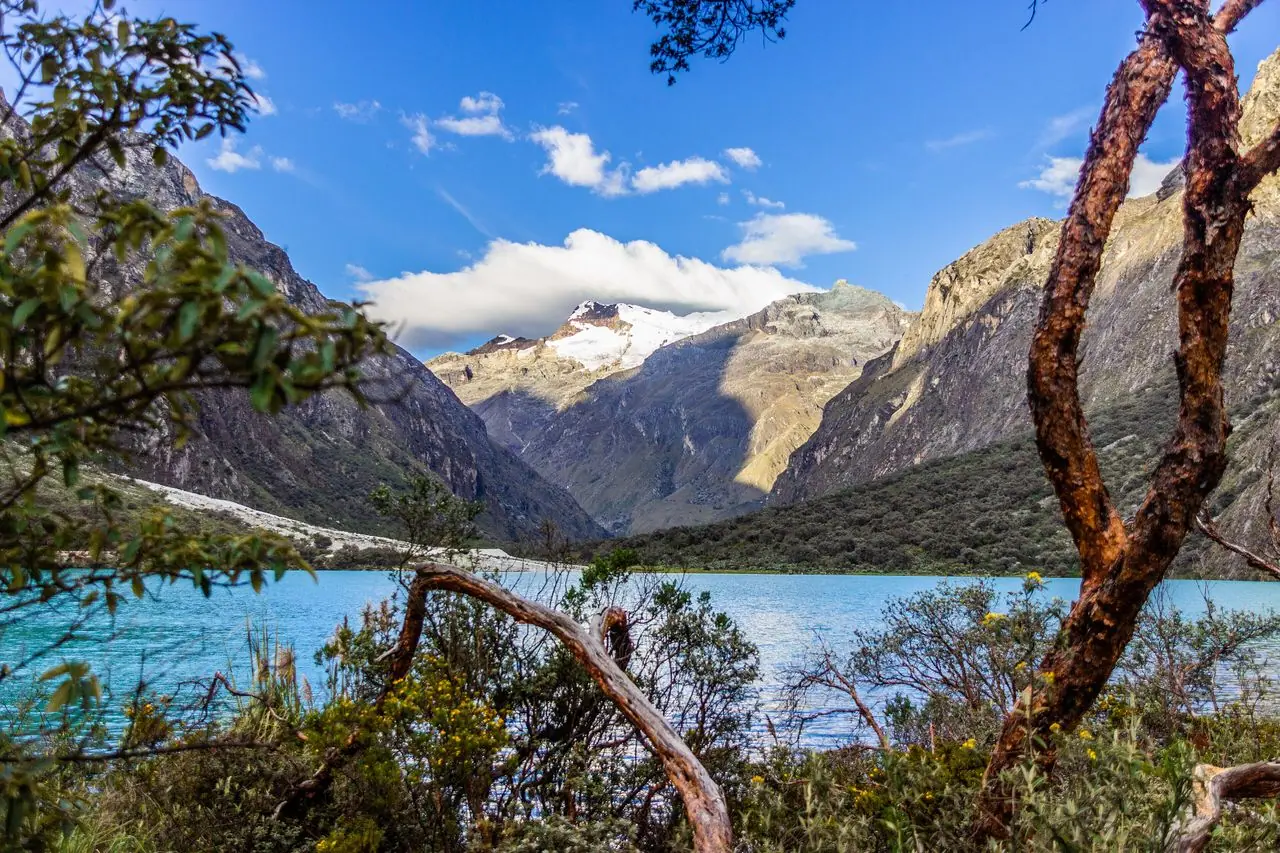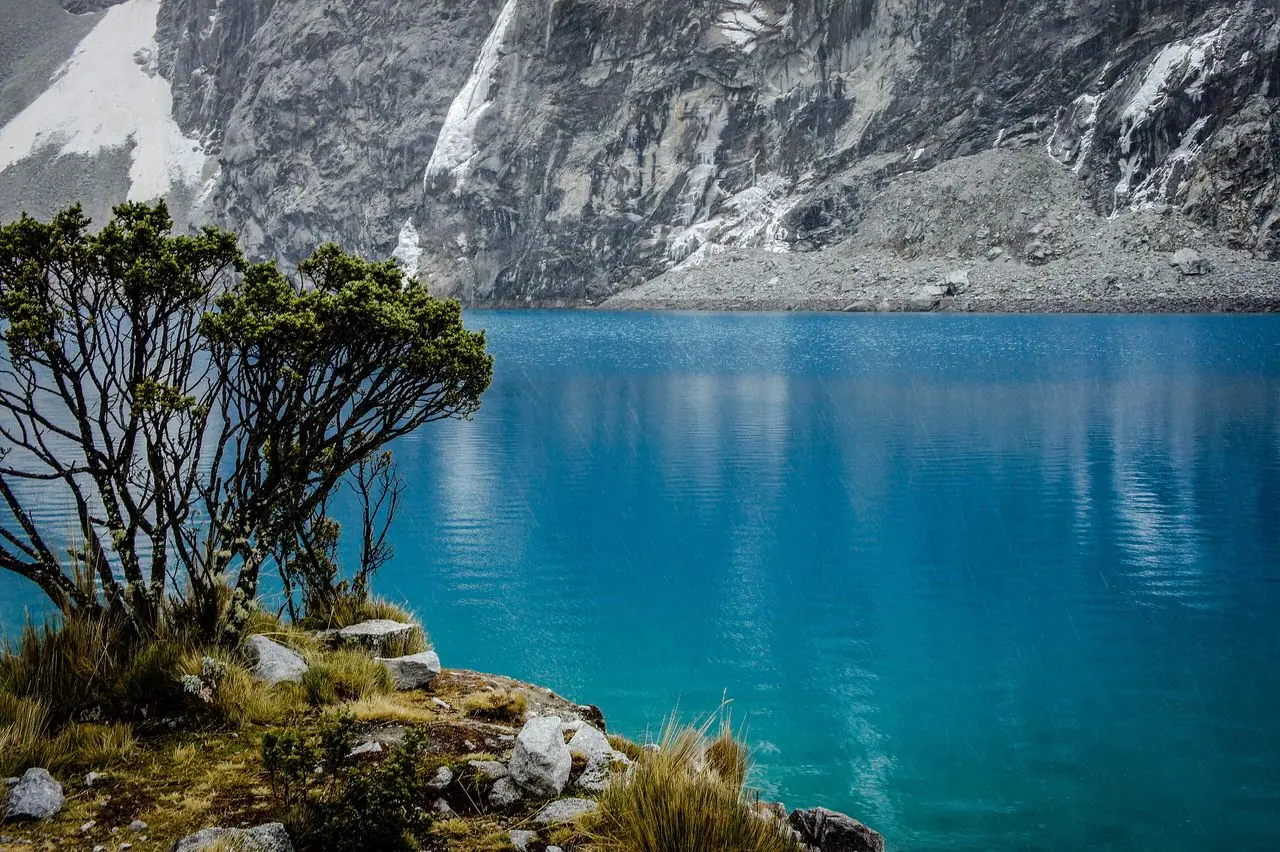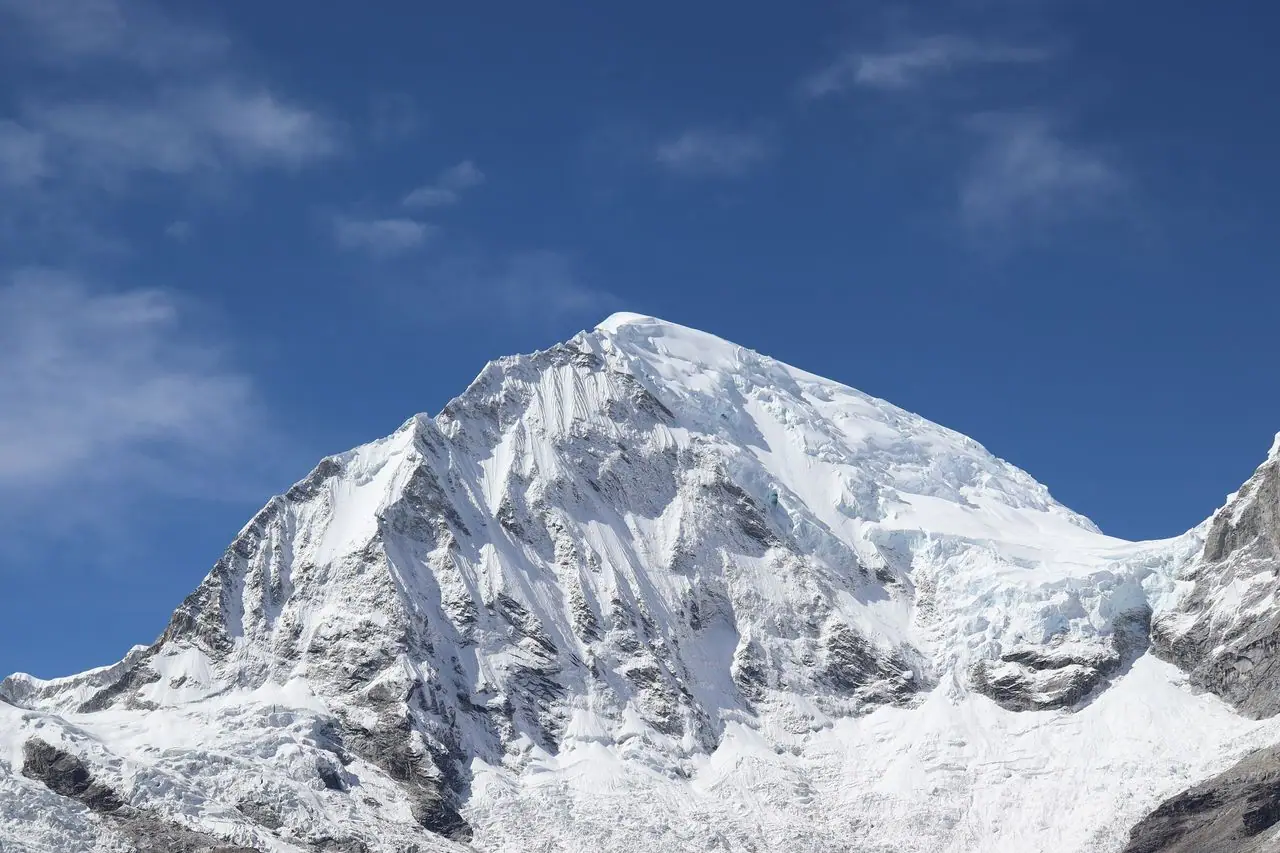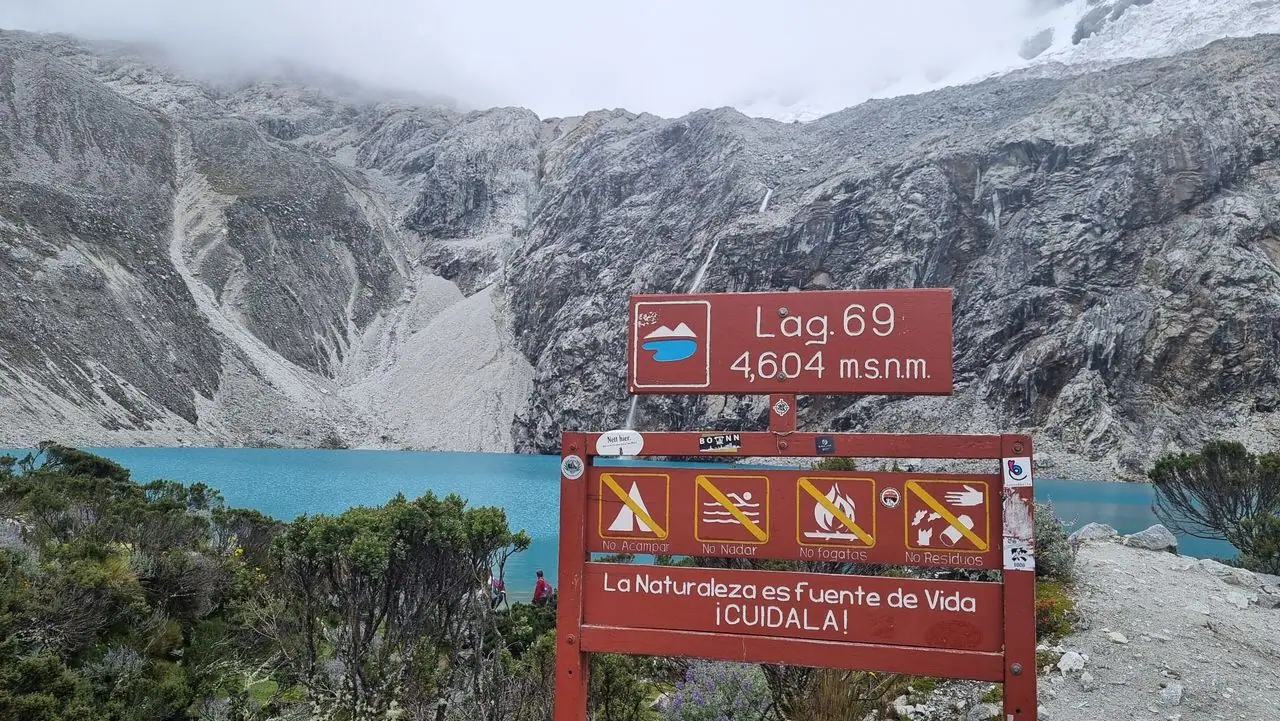
One of the reasons so many travellers choose to begin their trip through Áncash in Yungay is the altitude: about 2,450 metres above sea level, quite a bit higher than the coast, but much gentler than the lakes and mountain passes that come afterwards. The Llanganuco lakes are above 3,800 metres, the Portachuelo pass reaches about 4,750 and Laguna 69 is around 4,600. Going up unprepared is the most common recipe for altitude sickness, also called soroche, a discomfort that can spoil a trip and, in serious cases, be dangerous.
This guide helps you understand what it is, which symptoms to watch for, how to acclimatise calmly, what to do if discomfort appears and how to organise your days to make the most of the mountains. Please keep in mind that this is general information and does not replace the advice of a health professional.
Important notice. This guide is for orientation and does not replace medical consultation. If you have heart or lung disease, blood pressure problems, anaemia, pregnancy or other conditions, consult your doctor before travelling to altitude. In the event of serious symptoms, descend and seek medical attention.
What altitude sickness is
The higher you go, the lower the air pressure and the less oxygen each breath contains. In Huaraz, for example, air pressure is around 67% of that at sea level, according to a reviewed medical article. Your body needs time to adapt: it breathes faster, the heart rate rises and over the days it produces more red blood cells. If you go up too fast, that adaptation is not enough and symptoms appear.
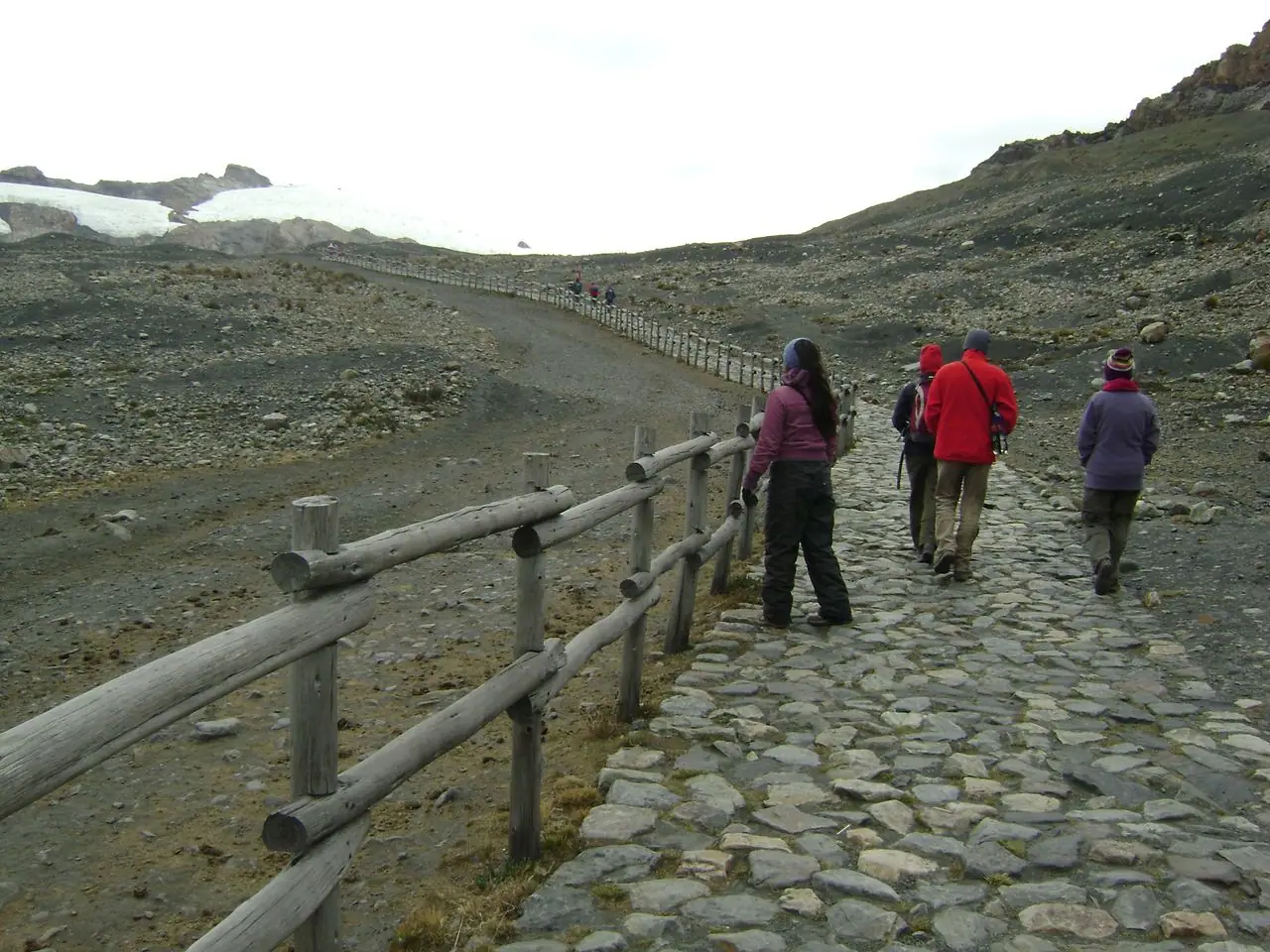
Acute mountain sickness usually appears six to twelve hours after the ascent, although it can vary. In most people it is mild and resolves with rest and acclimatisation; in a few cases it can become complicated. Knowing the signs helps you act in time.
Most common symptoms
Mild symptoms include:
- Headache, the most frequent.
- Nausea or loss of appetite.
- Dizziness or a feeling of unsteadiness.
- Unusual tiredness or weakness.
- Difficulty sleeping, restless sleep.
- Shortness of breath on exertion.
- Palpitations.
In small children, who cannot describe it, the signs may be irritability, crying, lack of appetite or rapid breathing. Sometimes the picture is mistaken for a hangover, dehydration or hunger.
Warning signs
Some symptoms are a reason to descend immediately and seek medical attention:
- Severe headache that does not ease with simple painkillers.
- Persistent vomiting.
- Difficulty breathing at rest, a cough with foam or a pinkish colour.
- Confusion, clumsiness when walking or loss of balance.
- Extreme drowsiness or difficulty waking up.
- Bluish lips or nails.
At altitude, descending is the most effective treatment. Do not wait for it to pass on its own if the symptoms are serious.
How to acclimatise in Yungay: step by step
Before arriving
- Ask your doctor if you have any condition that requires it.
- Sleep well in the days beforehand and avoid excess alcohol.
- If you are coming from the coast, consider a short stopover in an intermediate city, if possible.
- Bring your usual medication.
Arrival day
- Arrive calmly and avoid intense effort.
- Drink water often, before you feel thirsty.
- Eat lightly and in moderate portions.
- Avoid alcohol, cigarettes and heavy meals.
- Wrap up warm and rest before you feel cold or tired.
- Walk gently around the square and the gardens.
A much-repeated practical rule among mountain travellers is: drink before you are thirsty, eat before you are hungry, wrap up before you are cold and rest before you are exhausted.
Day two: a gentle activity
A visit to the Campo Santo, a walk around town or a short stroll through the gardens help you gain altitude without forcing it. If your body responds well, you can plan something a little higher.
Day three: a higher excursion
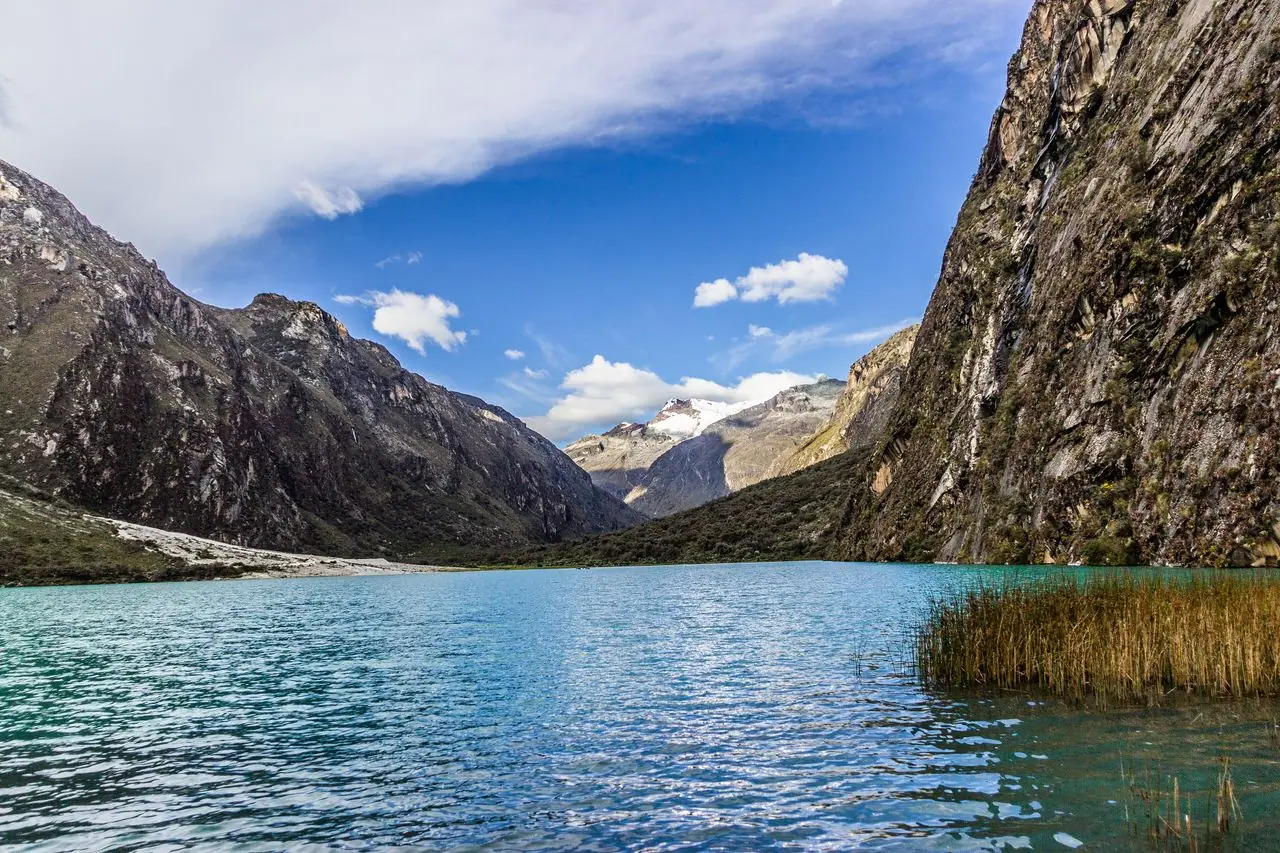
With one or two nights of acclimatisation, the Llanganuco lakes, at about 3,860 metres, are a good next stage. Spend little time at the Portachuelo pass if you do not feel entirely well.
Day four or five: higher-altitude activities
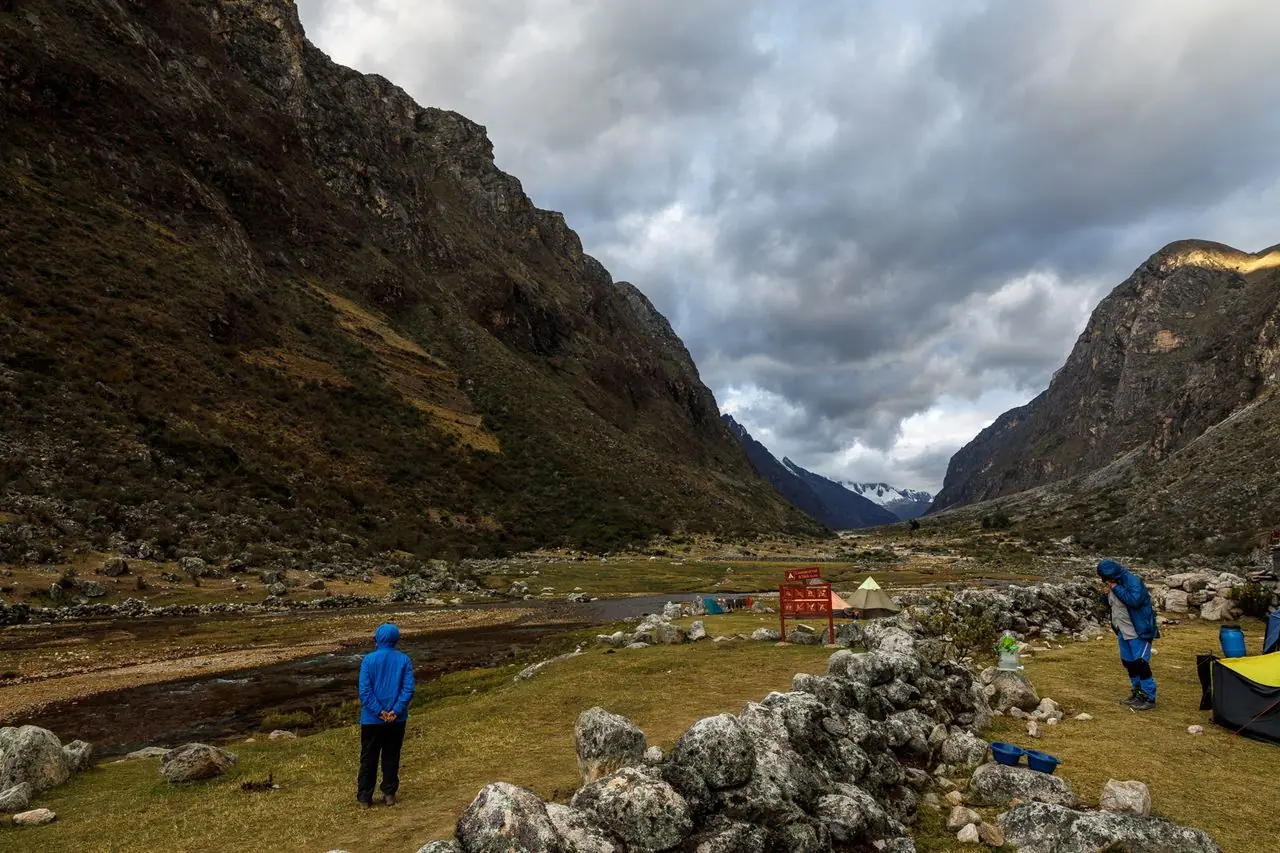
For Laguna 69, at about 4,600 metres, it is best to have at least two or three previous nights above 2,400 metres. The golden rule is to go up gradually and sleep lower than the highest point of the day.
What helps you acclimatise
- Hydration. Drink water regularly. Breathing at altitude increases fluid loss.
- Light eating. Carbohydrates such as potato, quinoa, rice or fruit, in moderate portions.
- Rest. Sleep well; if sleep is difficult the first nights, that is common.
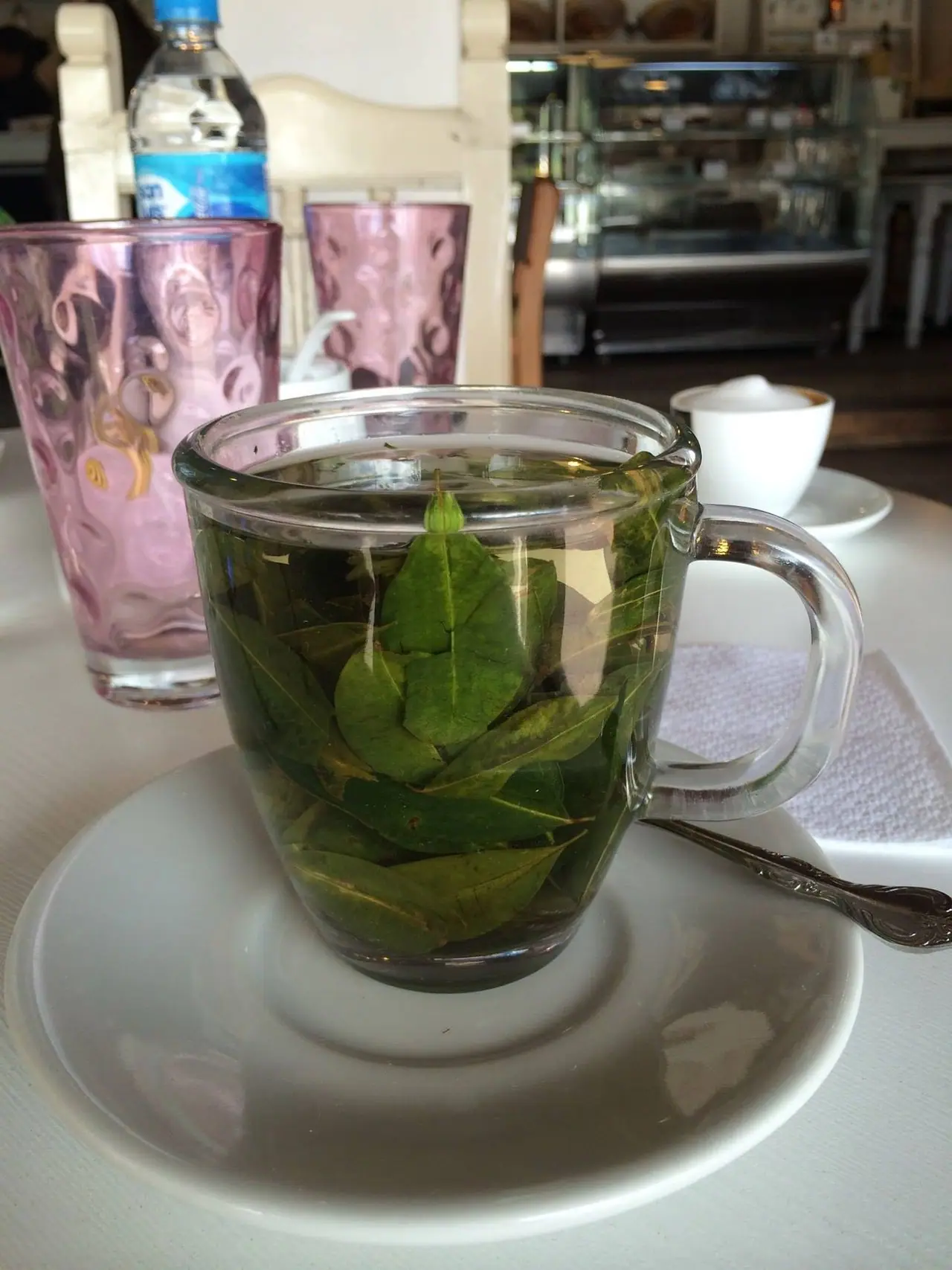
- Teas and infusions. Coca tea is traditional in the region and many people drink it to feel better; it does not replace other measures, and if in doubt, consult a professional. You can alternate it with other infusions.
- Slow pace. Walk slowly and take pauses.
- Avoiding alcohol and tobacco. They worsen symptoms and sleep.
- Warmth. Cold increases tiredness.
What to avoid
- Going up suddenly above 3,500 metres on the same day you arrive.
- Intense exercise in the first 24 hours.
- Copious meals and alcohol on the first night.
- Ignoring a severe headache.
- Sleeping higher than you have acclimatised.
- Last-minute decisions: plan with room to spare.
Medication and precautions
Some people use preventive medication for altitude sickness, but it should be prescribed by a health professional who assesses your condition. For mild headaches, some guides recommend rest, hydration and painkillers such as paracetamol or ibuprofen, avoiding aspirin in certain cases; consult your doctor. If you have heart failure, poorly controlled blood pressure, arrhythmias, lung disease or significant anaemia, consult before travelling. Pregnant women and people with pre-existing health conditions should seek medical advice.
Travelling with children and older adults
Children can feel the altitude and sometimes find it hard to express. Watch their appetite, their sleep and their mood. Plan slower rhythms and consult the paediatrician before travelling with very young children. For older adults, good acclimatisation and a prior medical consultation are essential. There are more ideas in travelling to Yungay with family and pets.
A five-day acclimatisation plan
| Day | Location and approximate altitude | Suggested activity |
|---|---|---|
| 1 | Yungay, about 2,450 m | Arrival, rest, gentle walk around the square |
| 2 | Yungay | Campo Santo and gardens, hydration |
| 3 | Llanganuco, about 3,860 m | Half a day at the lakes; back to sleep in Yungay |
| 4 | Yungay | Rest day or gentle activity; an experience in the garden |
| 5 | Cebollapampa and Laguna 69, up to about 4,600 m | Demanding excursion with an authorised agency |
This outline always sleeps at about 2,450 m, but visits higher altitudes during the day. It is a very effective way to build tolerance.
Accommodation and acclimatisation
Sleeping in Yungay, lower than Huaraz, makes acclimatisation easier: each night is a gentler recovery. Quiet, warm accommodation with continuous hot water and places to rest helps a great deal. At Comtury Lodge we have beds with warm bedding, a private bathroom, gardens and a hammock area, as well as a kitchen for free use to prepare light meals. If you want to balance the hikes with rest, a yoga or meditation session can help you breathe deeply and slow down. Also read where to stay in Yungay: guide.
How acclimatisation works in your body (explained simply)
When you go up to altitude, your body activates several mechanisms. First it breathes faster and deeper to take in more oxygen, and the heart beats more often. In the following days, the body adjusts the chemistry of the blood and increases the production of red blood cells, which carry oxygen. That process is not sped up by willpower or by intense training: it takes time. That is why two people with the same fitness can react very differently, and why it is always best to go up little by little.
A practical principle used in the mountains is "climb high, sleep low": during the day you can go up to a higher altitude to stimulate adaptation, but it is best to come back down to sleep. From Yungay, this happens naturally: you sleep at about 2,450 metres and make daytime excursions to higher ground.
Common myths about soroche
- "It only affects people who are out of shape." False. It can affect anyone, including athletes. Fitness helps you walk, not acclimatise.
- "If I have been before, it will not affect me." Not necessarily. The response can vary from one trip to another.
- "Coca tea cures it." It is traditional and can ease the feeling of discomfort, but it does not replace descent or acclimatisation.
- "A little drink helps me sleep." Alcohol worsens sleep and symptoms at altitude.
- "You have to go as fast as possible to get used to it." The opposite: what works is gradualness.
- "If my head hurts, I take something and keep climbing." A headache that persists is a sign to stop and not go any higher.
What to eat and drink to feel better
At altitude, appetite usually drops and digestion becomes slower. Some ideas:
- Light, energising breakfast: oats, fruit, bread with avocado or egg.
- Balanced lunch: soups, potato, quinoa, rice, vegetables, little fat.
- Small snacks: nuts, fruit, plain biscuits.
- Light dinners: broths, cooked salads, some protein in a moderate portion.
- Drinks: water and herbal teas; moderate coffee and avoid alcohol.
- Hydration during effort: small frequent sips, without waiting to feel thirsty.
If your accommodation has a kitchen, like the bungalows at Comtury Lodge, you can prepare simple meals to suit you; the kitchen is equipped and for guests to use freely.
How to sleep better at altitude
Sleep tends to be lighter and more fragmented the first nights. To improve it:
- Have an early, light dinner.
- Avoid alcohol, caffeine and screens before bed.
- Keep the room warm, with good bedding.
- Raise your head slightly with an extra pillow if it helps.
- Breathe deeply for a few minutes before sleeping: a short practice of meditation or guided breathing can be useful.
What to carry in a basic first-aid kit
Consult your doctor about what is right for you. As general ideas:
- Your usual painkiller for headaches, as medically advised.
- Oral rehydration salts.
- Lip balm and sunscreen.
- Personal medication for regular use.
- Thermometer and simple bandages.
- A list of your allergies and emergency contacts.
Tips for trekking and long excursions
- Walk slowly and steadily. If you cannot talk while walking, you are going too fast.
- Take short, frequent pauses.
- Tell your group or guide if you feel unwell.
- Have a descent plan. Decide in advance what you will do if someone feels ill.
- Do not separate from the group and do not go up alone if you do not feel well.
- Respect the timings. Getting back before sunset avoids the cold and fatigue.
Frequently asked questions about altitude sickness
At what altitude does altitude sickness appear?
It can appear from around 2,500 metres, although it is more common above 3,000. It depends on the person and the speed of the ascent.
How many days does it take to acclimatise?
Sources mention between one and three days, depending on the person. For very high excursions, it is best to allow more days.
How much water should I drink?
The general recommendation is to drink often, before you are thirsty. There is no single figure; watch that your urine is clear.
Does coca tea help?
It is traditional in the area and many people use it to feel better. It does not replace good acclimatisation or medical advice.
Can I drink alcohol?
It is best to avoid it for the first 24 to 48 hours, because it aggravates symptoms and affects sleep.
Who is at greater risk?
Anyone can feel it, even people in good shape. Those who go up quickly, do not hydrate or have a history of altitude sickness are at greater risk.
What do I do if I feel unwell?
Stop, rest, drink water and observe. If the symptoms are mild, wait and do not go any higher. If they get worse or are serious, descend and seek medical attention.
Can I do Laguna 69 without acclimatising?
It is not recommended. Allow at least two or three nights above 2,400 metres before doing it.
Conclusion
Altitude does not have to spoil your trip. With a calm arrival, good hydration, light meals, patience and a staged plan, most people enjoy the Cordillera Blanca without problems. Yungay is an excellent starting point: lower than Huaraz, quiet and close to the lakes. If you would like us to help you organise your stay around that acclimatisation plan, write to us through the form or on WhatsApp at +51 943 529 322.
Cover photo: Renata Maria Cristina · CC BY-SA 4.0 · Wikimedia Commons
Want to live it in person?
Request a stay