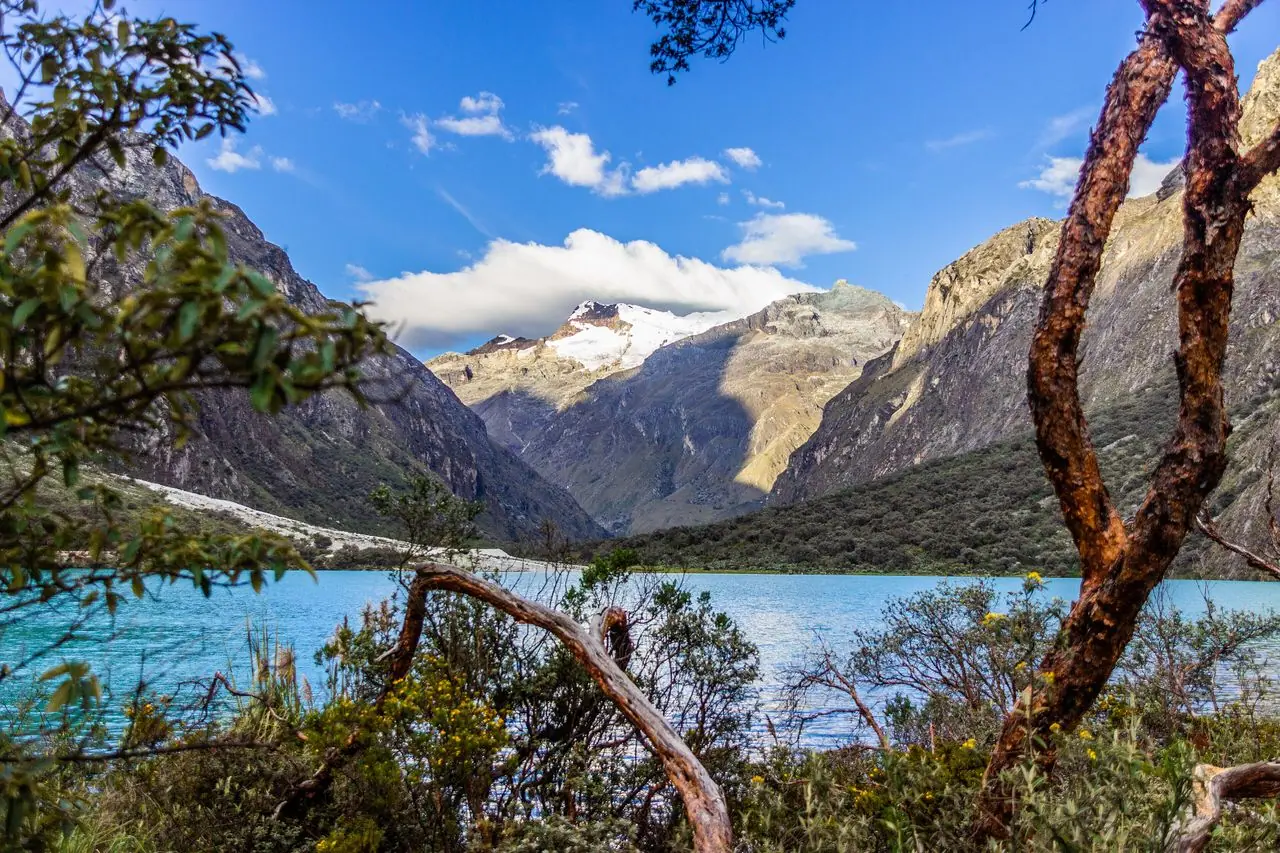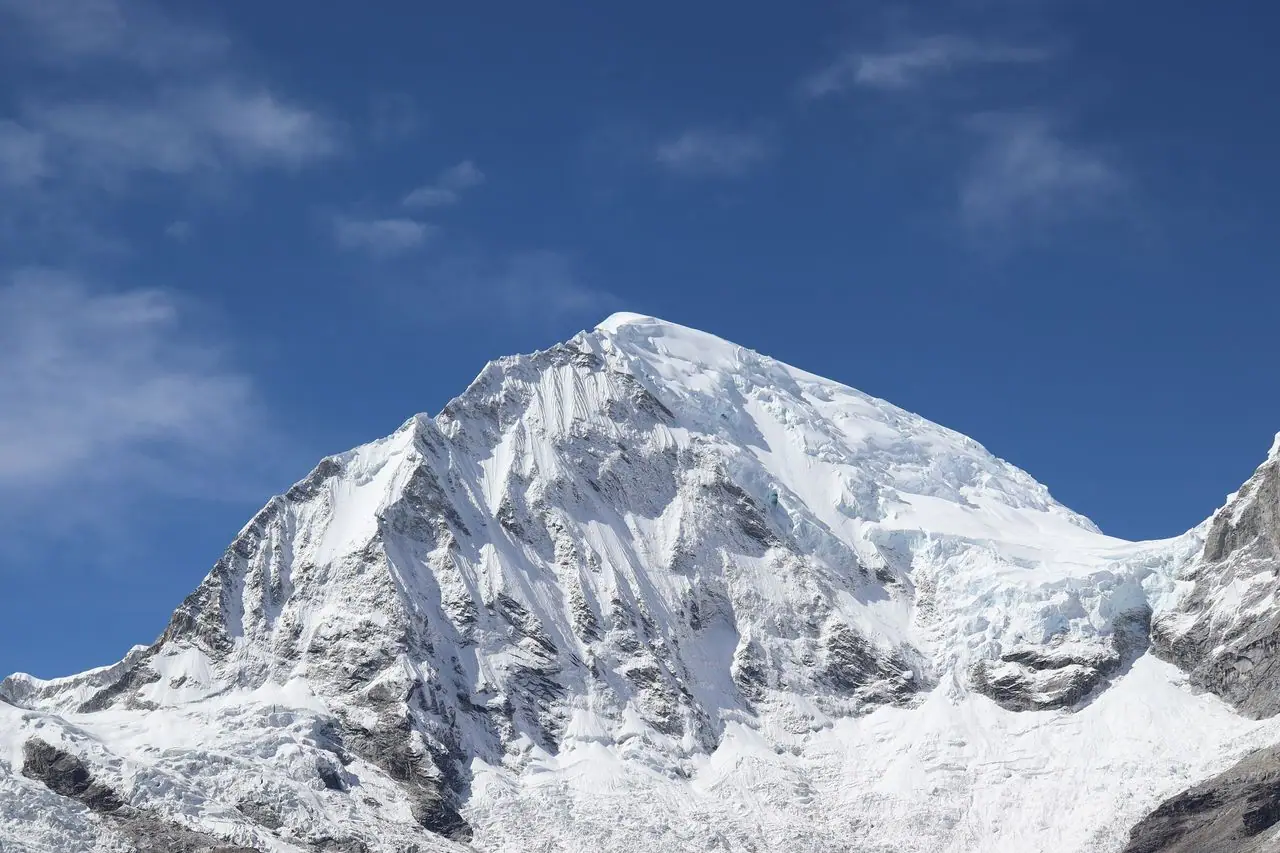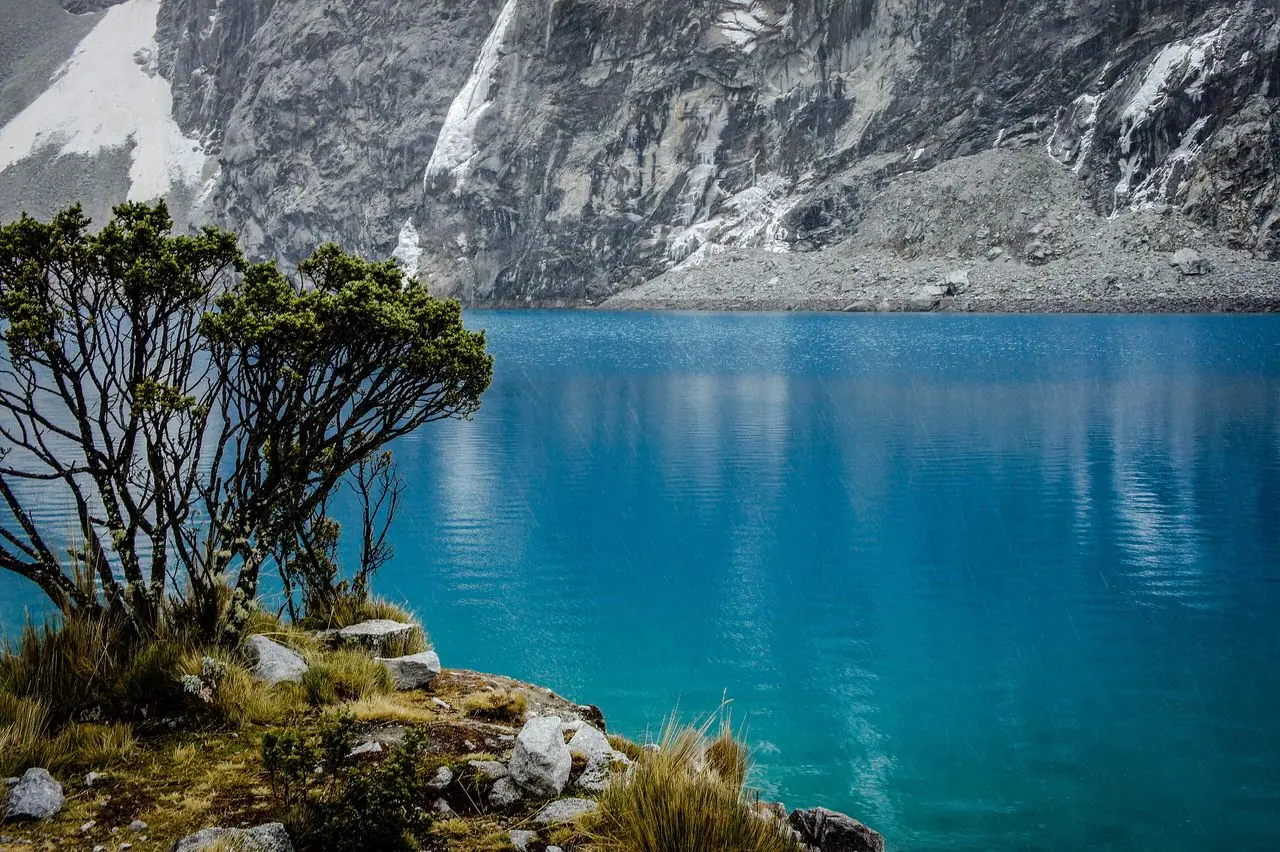
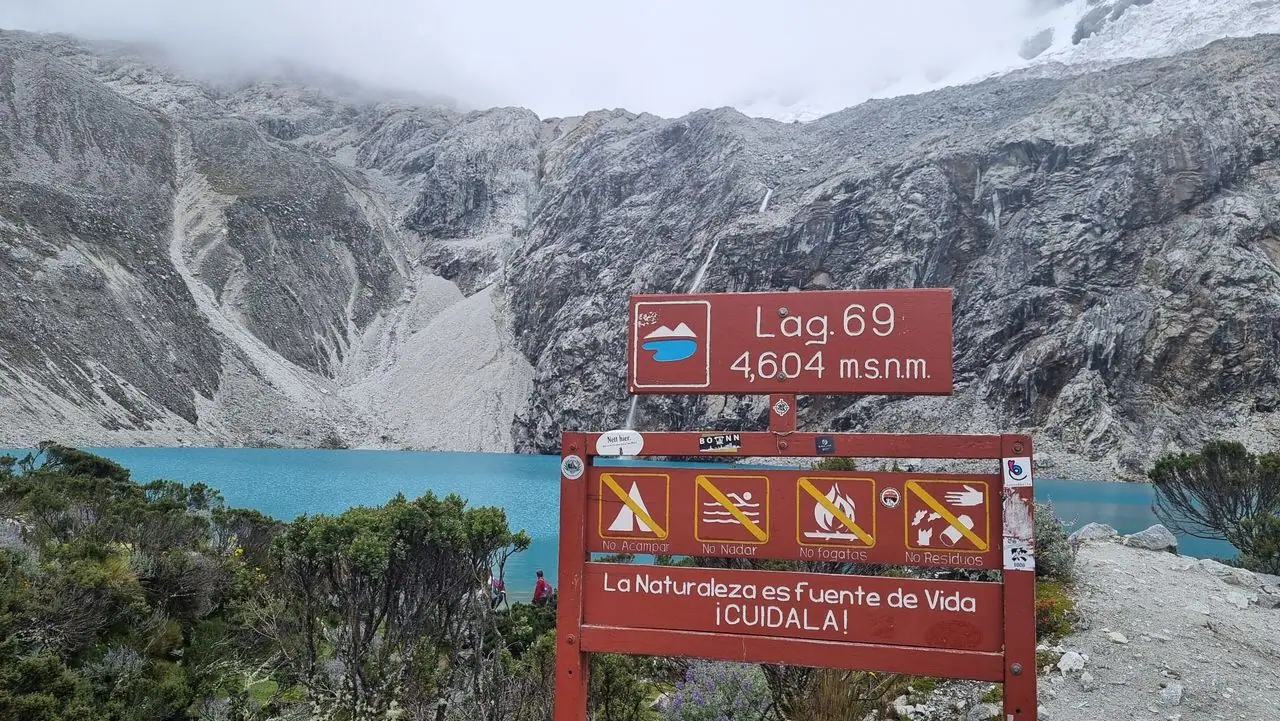
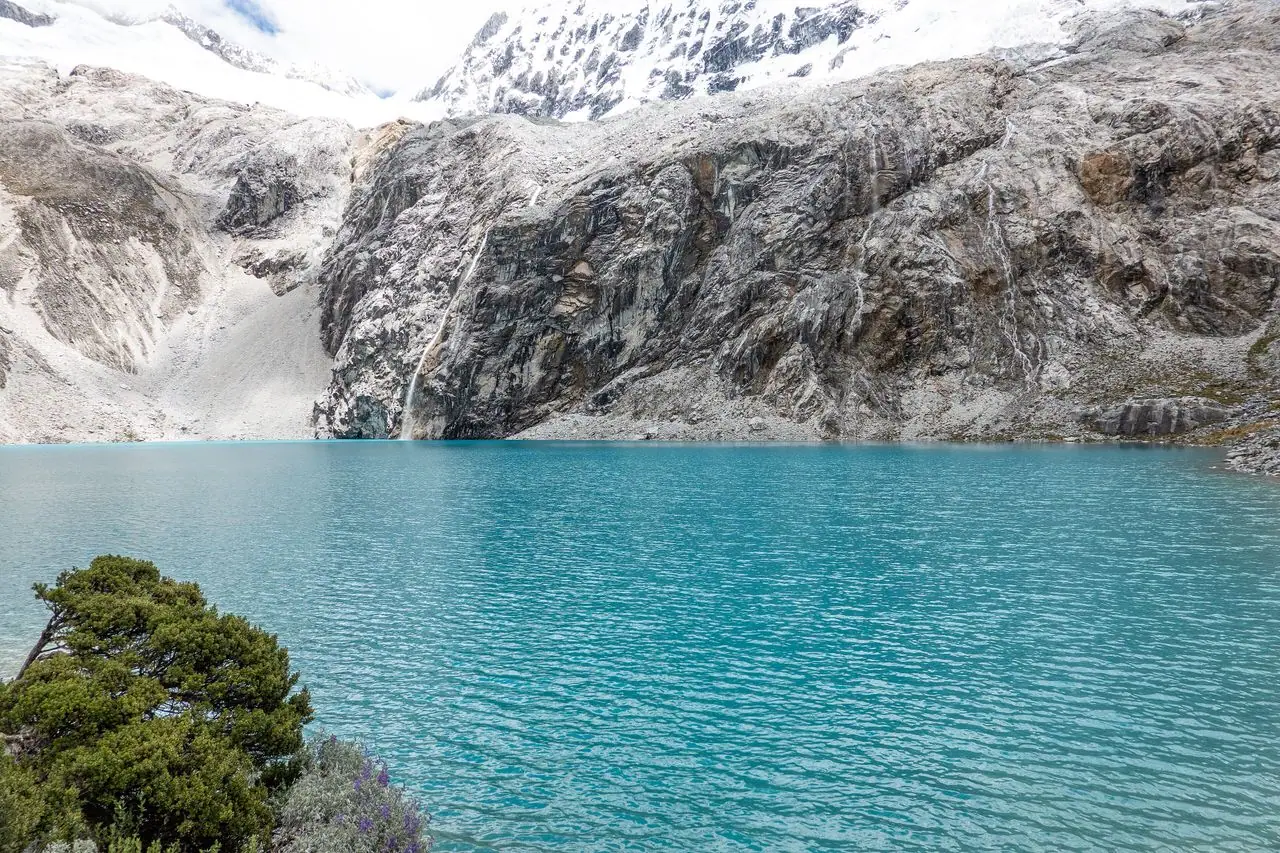
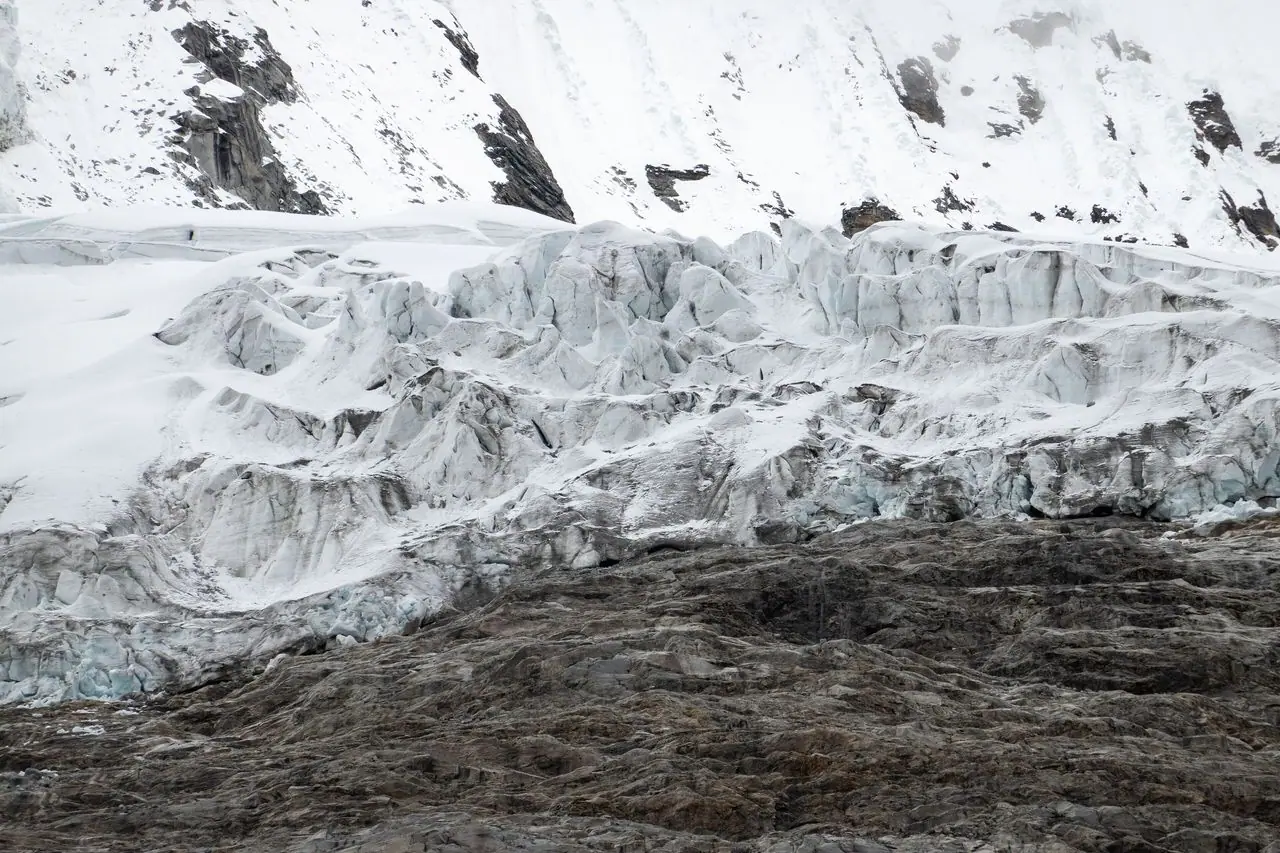
Laguna 69 is probably the most famous hike in the Cordillera Blanca and one of the most photographed in Peru: an intensely turquoise lake at the foot of a glacier, at about 4,600 metres, with a waterfall of meltwater tumbling beside the route and a snow-capped summit dominating the landscape. It is a day excursion, demanding because of the altitude rather than the technique, and since 2026 it comes with a rule every traveller needs to know: it can only be visited with agencies authorised by SERNANP.
In this guide, updated for 2026, we explain how the new rule works, what the route is, how high and how difficult it is, how long it takes, how to acclimatise, what to bring, how to choose an agency and which mistakes to avoid.
The essentials. Laguna 69 · about 4,500 to 4,650 m depending on the source (close to 4,600 m) · starting point at Cebollapampa, at about 3,850 m, in the Llanganuco sector · a full-day hike, with about 6 to 7 hours between the ascent and the descent · since 9 February 2026 only with agencies authorised by SERNANP · swimming in the lake is prohibited · prior acclimatisation is required.
The new rule: access only with authorised agencies
According to the statement circulated by the Peruvian press in January 2026, SERNANP introduced, from 9 February 2026, a new control system for access to Laguna 69: entry is allowed only through authorised travel agencies holding a current contract with the authority. These agencies manage and buy the digital tickets on the official platform. The measure aims to bring order to tourism, strengthen the formalisation of the sector and improve visitor safety.
What it means in practice:
- You cannot buy the Laguna 69 ticket yourself. You must book a package or service with an authorised agency.
- Not every circuit in the park has this rule. The Chinancocha lake circuit, in Llanganuco, continues to be sold directly to the visitor. The rule affects Laguna 69 and the Pisco snow-capped peak.
- The list of agencies can change. The published figures speak of dozens of authorised agencies (between 55 and nearly 80, depending on the source and the date). Check the current list on the official SERNANP page before booking.
- There are penalties. Entering restricted areas without authorisation can bring fines which, under the park's regulations, reach up to 10 UIT (Peru's tax reference units). In February 2026 the case was reported of a tourist facing sanction proceedings for swimming in the lake.
Important. Conditions, fares and agencies can change. This guide summarises public information available as of October 2026; before booking, confirm the rules in force with an authorised agency or with SERNANP.
What the Laguna 69 route is like
From town to Cebollapampa
The typical excursion leaves Huaraz in the early hours, around 5:00 a.m., follows the Santa river valley, passes through Yungay and climbs the Llanganuco valley, inside Huascarán National Park, to Cebollapampa, at about 3,850 metres, where the hike begins. If you stay in Yungay, you save a good part of the transfer, since Cebollapampa is closer; ask the agency about the pick-up point.
The hike
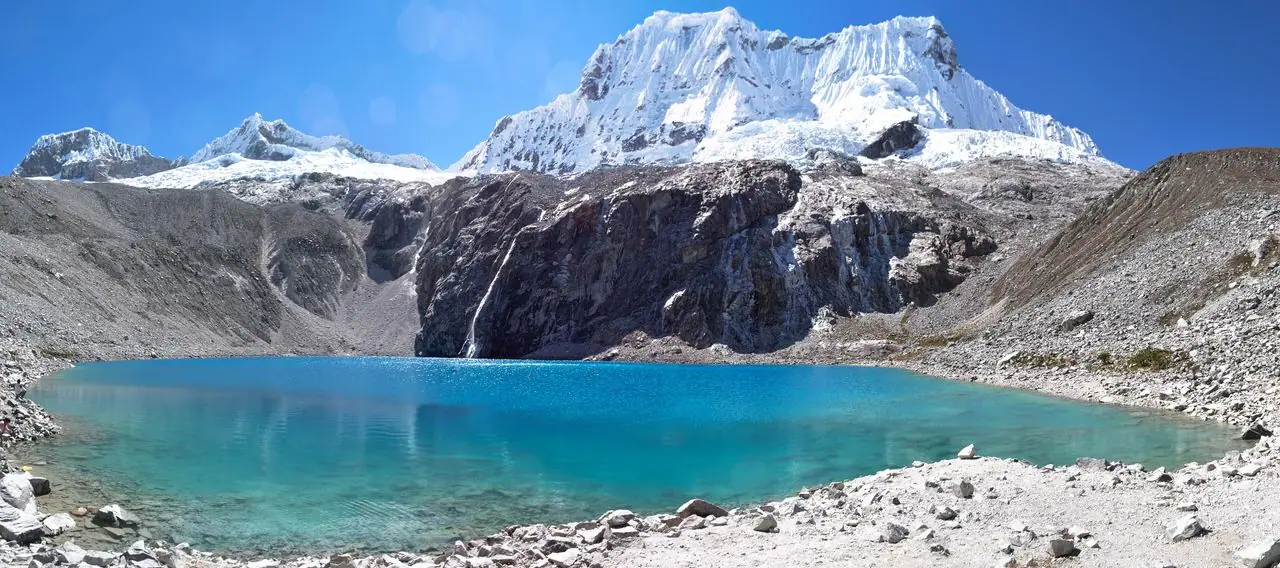
From Cebollapampa, the path runs through a broad green valley, with streams and grazing cows, and then climbs in steeper stretches towards the glacial basin. References from different operators speak of about 14 kilometres round trip, three to four hours of ascent and about two and a half hours of descent. In total, estimates usually come to around six to seven hours of walking, plus rests, photos and lunch. With transfers, the day stretches to about fourteen hours from Huaraz.
The lake
The final stretch is the most demanding: the slope increases and the altitude is felt. On arrival, the lake appears suddenly, a deep turquoise, ringed by walls and glaciers, with a waterfall coming down from above. Many travellers stay between thirty and sixty minutes to eat, rest and take photographs before heading down.
Altitude, difficulty and physical demands
The exact altitude of the lake varies by source: 4,500, 4,600 and even 4,650 metres are quoted. For practical purposes, let us say it is around 4,600 m. That means an elevation gain of about 700 to 800 metres from Cebollapampa, and an altitude where the air contains much less oxygen than at sea level.
Difficulty. Some operators rate it moderate, others demanding; it is not a technical hike, it needs no climbing and no special equipment, but it does require good general fitness and acclimatisation. The key is not strength but pace: moving slowly and steadily.
Who should be careful. Operators recommend that people with cardiovascular or back problems, and pregnant women, do not do it, and in every case to consult a doctor if in doubt. If you have pre-existing health conditions, ask before you book.
Acclimatisation: the most important factor
Most of the problems on Laguna 69 come from going up without acclimatising. Recommended plan:
- Spend at least two or three nights above 2,400 metres before the excursion. Yungay (about 2,450 m) or Huaraz (close to 3,050 m) will do.
- Do a gentler activity first, such as the Llanganuco lakes or a short walk, which helps you gain height gradually.
- Hydrate well from days beforehand, without waiting until you are thirsty.
- Avoid alcohol in the 24 to 48 hours beforehand.
- Sleep well the night before.
- Eat lightly and in moderate amounts.
If you have not yet read our guide to altitude sickness and acclimatisation, do so before you plan.
When to do Laguna 69
The dry season, from May to September, is the best, with clearer skies and dry paths. Mornings are usually the clearest, which is why departures are so early. In the rainy season, between October and April, there is a greater risk of cloud, rain or mud, and views of the glacier are reduced. See best time to visit Yungay and Huaraz.
How to book Laguna 69 in 2026
- Choose an authorised agency. Ask the agency to confirm that it has a current contract with SERNANP and check the official list.
- Confirm what the service includes: transfer, guide, lunch, park ticket (sometimes not included), insurance, and pick-up time and place.
- Review the fares. As a public reference, some platforms offer the tour from about 45 dollars or from about 67 soles per person, but fares vary by agency, season and services included. Ask whether the park entry is included.
- Book in advance, especially between June and September, when demand is high.
- Ask about group size, the guide's language and the weather cancellation policy.
- Bring your ID document on the day of the excursion.
What to bring to Laguna 69
| Item | Detail |
|---|---|
| Layered clothing | Thermal shirt, fleece and windproof; the weather changes quickly |
| Waterproof jacket | For rain or sudden hail |
| Hat, gloves and buff | For the wind and the cold at the lake |
| Trekking footwear | With good grip; boots or mountain trainers |
| Trekking poles | Optional, they help on the descent |
| Sunscreen, UV sunglasses and sun hat | Radiation is very high |
| Water (at least 2 litres) | And an energy drink if you prefer |
| Lunch and snacks | Nuts, chocolate, fruit |
| Personal first-aid kit | Painkiller without aspirin, bandages, your own medication |
| ID and cash | For controls and purchases |
| Bag for rubbish | What you bring, you take back |
| Camera or phone and portable charger | The cold drains the battery |
The extended list is in what to pack for Yungay and the Cordillera Blanca.
How to prepare physically
You do not need to be an athlete, but it helps to arrive with a base: walking regularly in the weeks beforehand, climbing stairs and practising two- or three-hour walks with some elevation. If you are coming from sea level, acclimatisation matters more than fitness.
During the hike.
- Move slowly and steadily; if you can talk without gasping, you are doing well.
- Take short, frequent pauses rather than a few long ones.
- Drink water regularly.
- Listen to your body: a severe headache, nausea, dizziness or abnormal shortness of breath are reasons to stop and descend.
- Follow the guide's instructions.
What you can and cannot do at the lake
Allowed: resting, taking photographs, eating in the designated areas, enjoying the landscape.
Not allowed: swimming in the lake, throwing objects or rubbish, leaving the paths, disturbing the vegetation, using drones without authorisation. In 2026 penalties for swimming in the lake were reported, with fines that could be very high. The lake is a fragile ecosystem of glacial water.
Common mistakes on Laguna 69
- Going up without acclimatising. It is the most common mistake. Arrive with days to spare.
- Not booking with an authorised agency. Since 2026 it is not optional.
- Starting too fast. The first kilometres seem easy, but you pay for it higher up.
- Carrying too little water or clothing. The weather changes and the altitude is tiring.
- Not confirming the pick-up. Ask the time and place clearly.
- Forgetting sunscreen. Skin burns quickly at this altitude.
- Ignoring symptoms. If you feel unwell, descend.
- Not leaving a time margin. Do not schedule flights or buses for the same day.
How to combine Laguna 69 with your stay
If you stay in Yungay, Laguna 69 can be the highlight of your trip. One possible outline: arrive in Yungay and rest; the next day, walk calmly around town and visit the Campo Santo; on the third day, visit the Llanganuco lakes; on the fourth, do Laguna 69 with your authorised agency; and finish with a rest day and an experience in the garden. There is a similar outline in the 3-day itinerary in Yungay.
At Comtury Lodge you can return from the mountain to a bungalow with a kitchen, bonfire, hammocks and gardens. If your agency needs to pick you up, ask us and we will guide you on the place and the time; we do not manage Laguna 69 tickets, but we can help you work out the logistics of your stay.
Frequently asked questions about Laguna 69
Why can it now only be visited with an agency?
Because of a SERNANP measure, in force since 9 February 2026, that aims to bring order to tourism, formalise the sector and improve visitor safety.
Can I go to Laguna 69 on my own?
No. Since 2026, entry to Laguna 69 is only through authorised agencies that manage the digital tickets.
How much does the Laguna 69 tour cost?
It varies by agency, season and services included. As a public reference, some platforms show prices from about 45 dollars or 67 soles per person; ask what is included and whether the park ticket is separate.
How difficult is it?
It is of moderate to demanding difficulty because of the altitude, with no technical stretches. It requires acclimatisation and a slow pace.
How long does the excursion last?
The hike takes between six and seven hours round trip, and the full day from Huaraz can stretch to about fourteen hours with transfers and stops.
How high is Laguna 69?
Between 4,500 and 4,650 metres, depending on the source; about 4,600 m is a good reference.
Can I swim in the lake?
No. It is prohibited and can bring heavy fines.
What is the best season?
From May to September, in the dry season, with clearer mornings.
Is it suitable for children?
It depends on age and condition. Consult your paediatrician and the agency; the altitude and the duration are a challenge.
Can I do it on the same day I arrive in Yungay?
It is not recommended. Allow at least two or three nights of acclimatisation beforehand.
Conclusion
Laguna 69 is one of those experiences that justify the trip: effort, altitude, silence and a colour of water that is hard to forget. With the 2026 rule, the key is to plan: choose an authorised agency, acclimatise with days to spare, bring the right equipment and respect the environment. If you are looking for a quiet place to rest before and after, write to us through the form or on WhatsApp at +51 943 529 322 and we will help you put together your stay in Yungay.
Cover photo: Christian Cruzado · CC BY 2.0 · Wikimedia Commons
Want to live it in person?
Request a stay