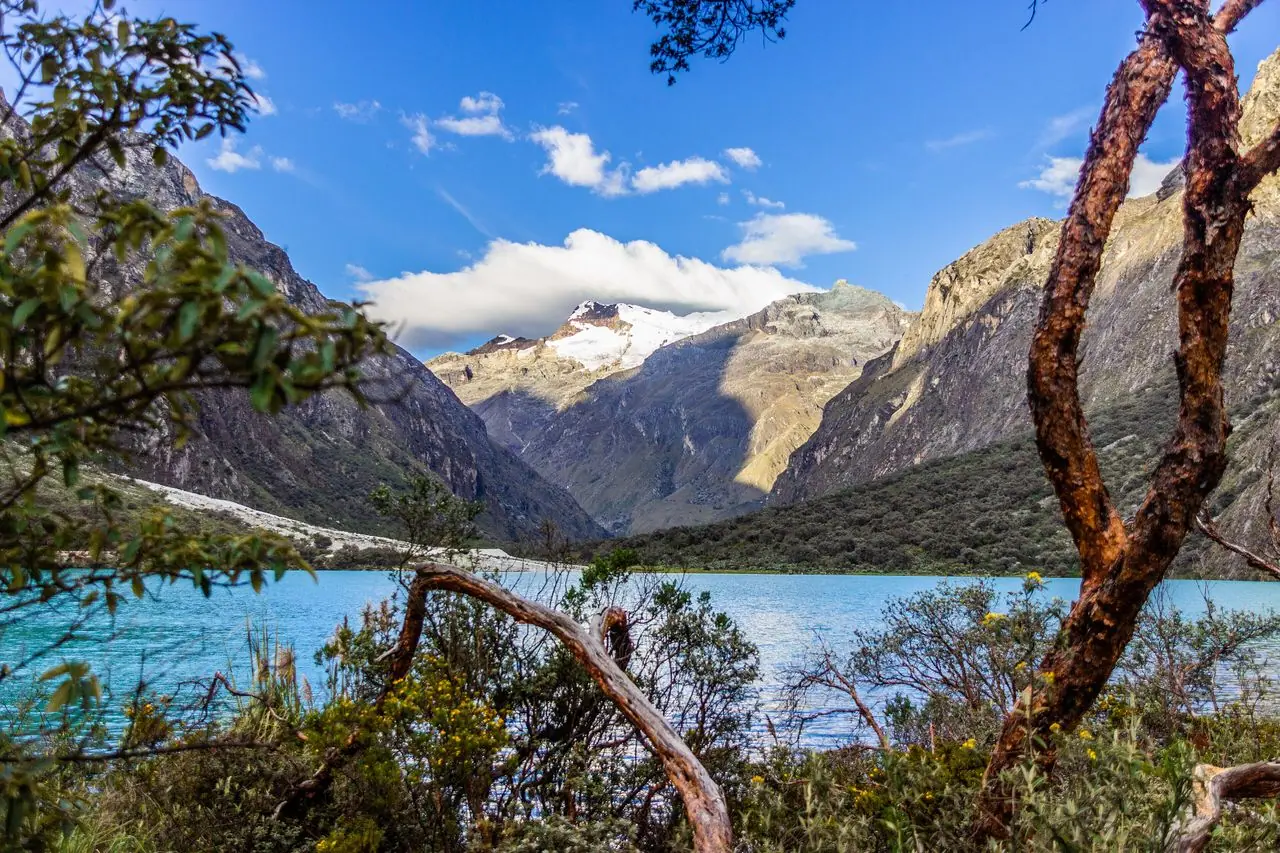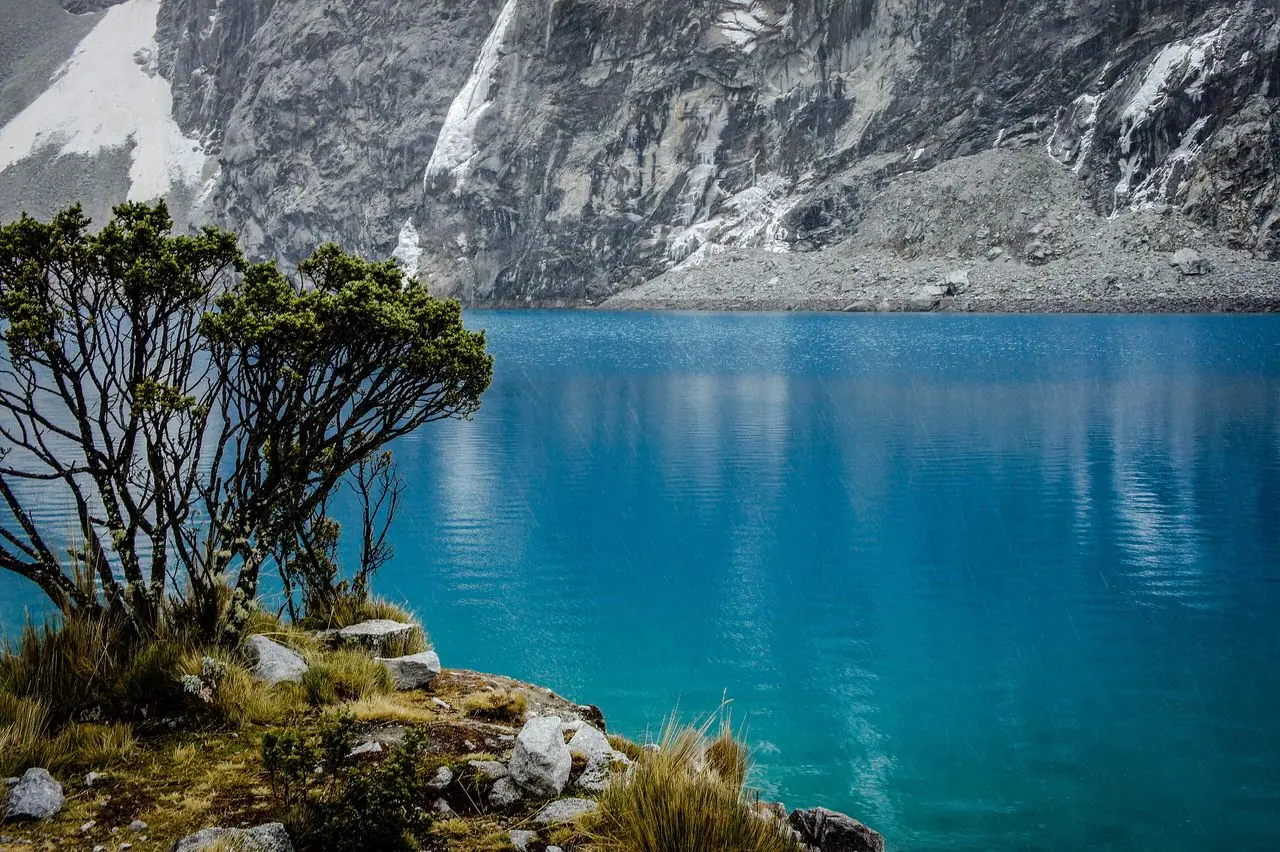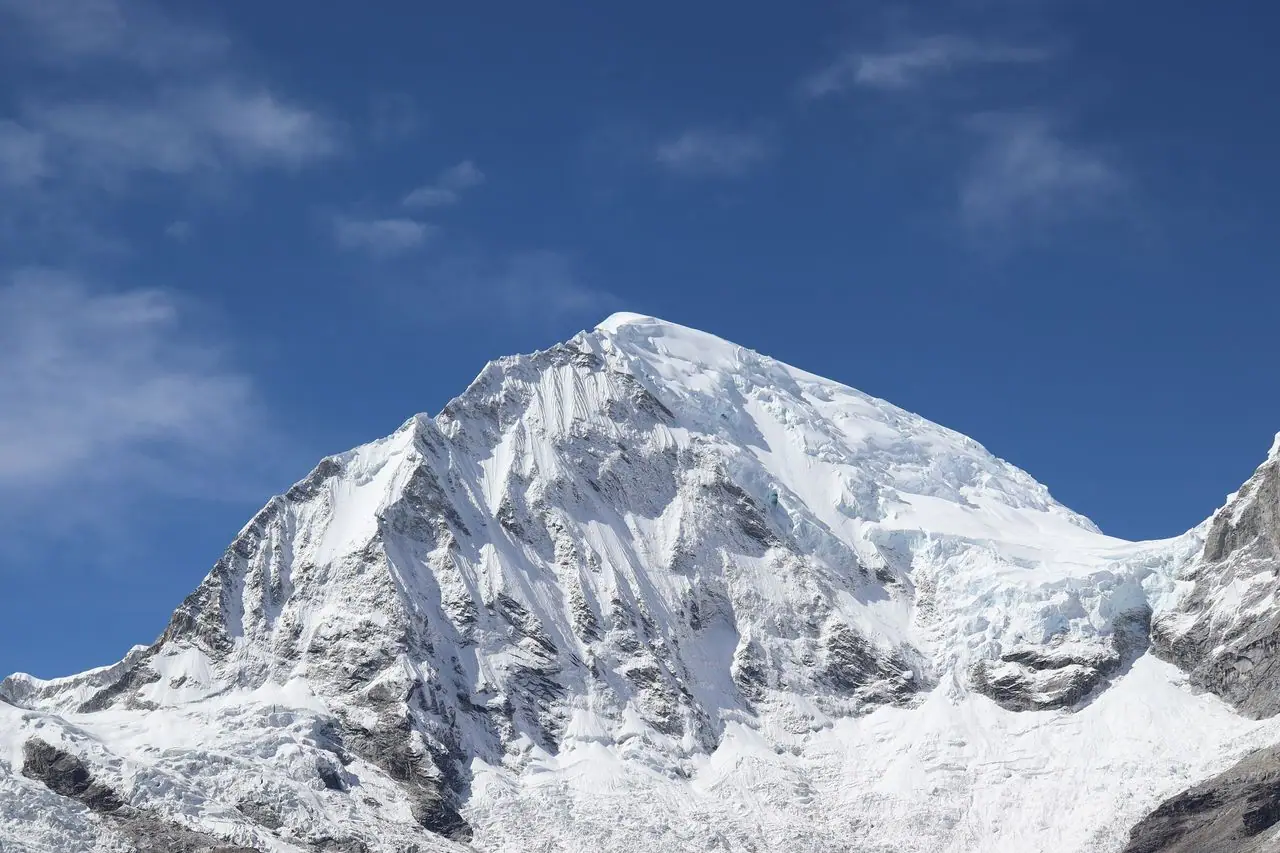
Huascarán National Park is the great protected area of the Cordillera Blanca and one of the most important high-mountain spaces in Peru. Declared a UNESCO Natural World Heritage Site and part of the worldwide network of biosphere reserves, it protects glaciers, turquoise lakes, valleys, queñual woodland and the country's highest summit: Huascarán Sur, at 6,768 metres. From Yungay it is easy to reach the Llanganuco sector, the Laguna 69 hike and multi-day trekking routes.
This guide explains what the park is, what you can visit, how tickets work, what rules apply, when to go and how to prepare your visit in a safe and respectful way.
Key facts. Created in 1975 · UNESCO Natural World Heritage Site and biosphere reserve · about 340 thousand hectares, with altitudes ranging from about 2,400 to 6,768 metres · managed by SERNANP · access from Yungay through the Llanganuco valley · tickets by circuit, sold online or at control posts, with special rules for Laguna 69 and the Pisco snow-capped peak since 2026.
What Huascarán National Park is
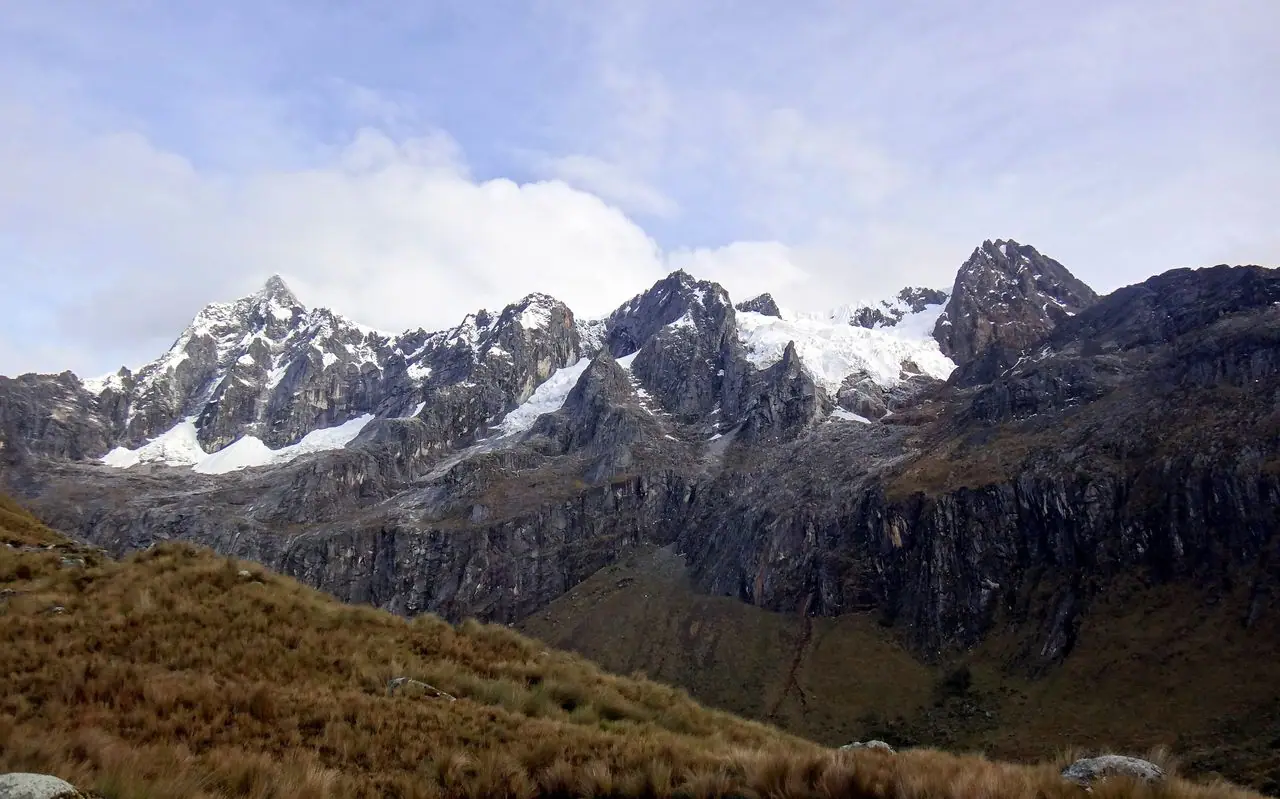
The park stretches along much of the Cordillera Blanca, the highest tropical mountain range in the world, in the department of Áncash. It takes in glacial valleys, hundreds of lakes, numerous snow-capped peaks and an enormous diversity of ecosystems, from high-Andean grasslands and woodlands to zones of perpetual snow.
Its importance is manifold:
- Landscape and glaciers. It holds the greatest concentration of tropical glaciers on the planet, vulnerable to climate change, which feed the Santa river and supply water to valleys and communities.
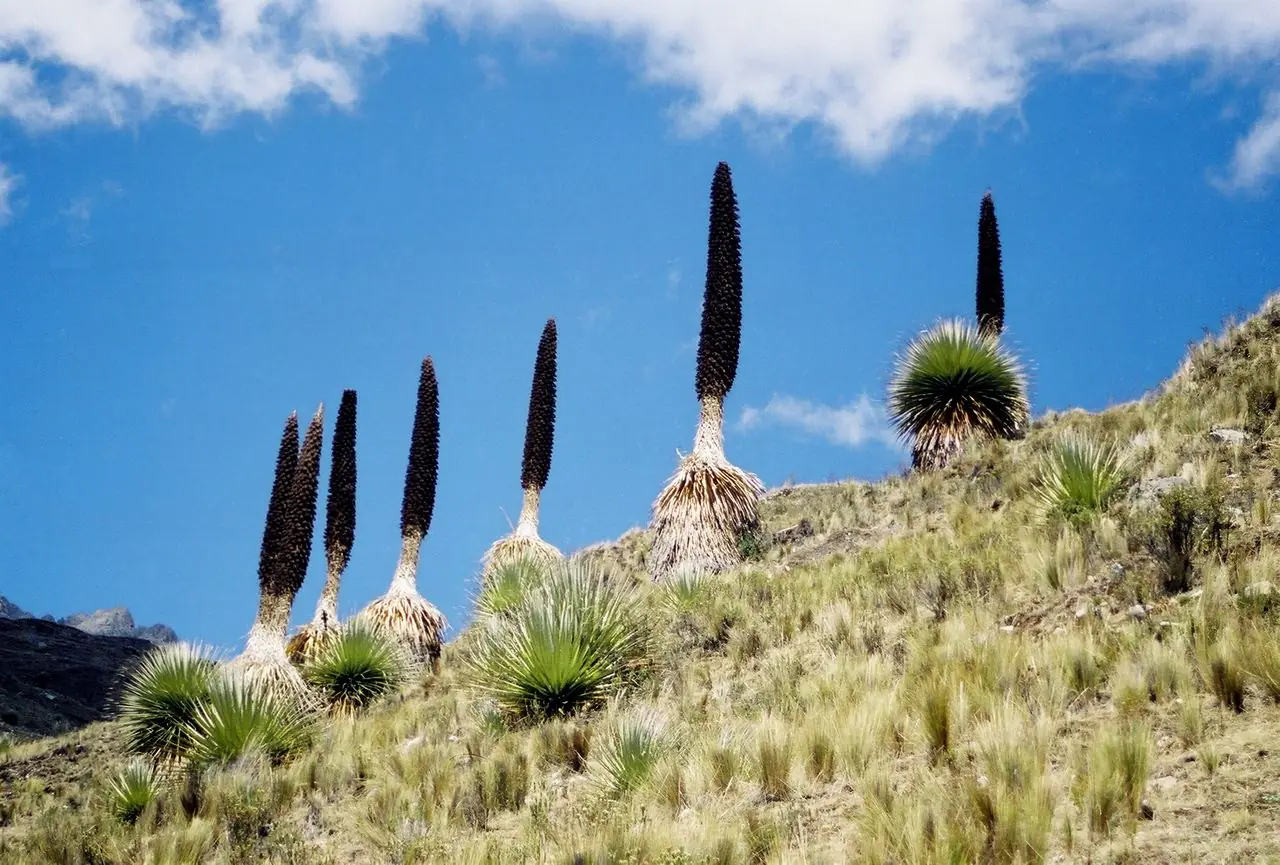
- Biodiversity. Species living in the park include the Andean condor, the vicuña, the taruca, the puma, the Andean fox and the spectacled bear, as well as birds, amphibians and plants adapted to altitude. The Puya raimondii, the largest bromeliad in the world, known as the "queen of the Andes", also grows here.
- Culture. Around the park live farming communities with a long agricultural and livestock tradition, and in its shadow ancient cultures of the Callejón de Huaylas developed.
- International recognition. UNESCO inscribed it as a Natural World Heritage Site and the network of biosphere reserves recognises it for its ecological value.
The snow-capped peaks and Huascarán
The Huascarán massif has two summits: Huascarán Sur, at 6,768 metres, the highest in Peru, and Huascarán Norte, somewhat lower. The south summit was first reached on 20 July 1932 by a German-Austrian expedition, while an ascent of the north summit by the American Annie Smith Peck in 1908 is credited to her, although that first ascent has been disputed. This mountain is also tied to the history of the region: from it broke away the avalanches of 1962 and 1970 that buried Ranrahirca and the old Yungay. You can read more in Campo Santo de Yungay and the 1970 earthquake.
Circuits and attractions from Yungay
Llanganuco
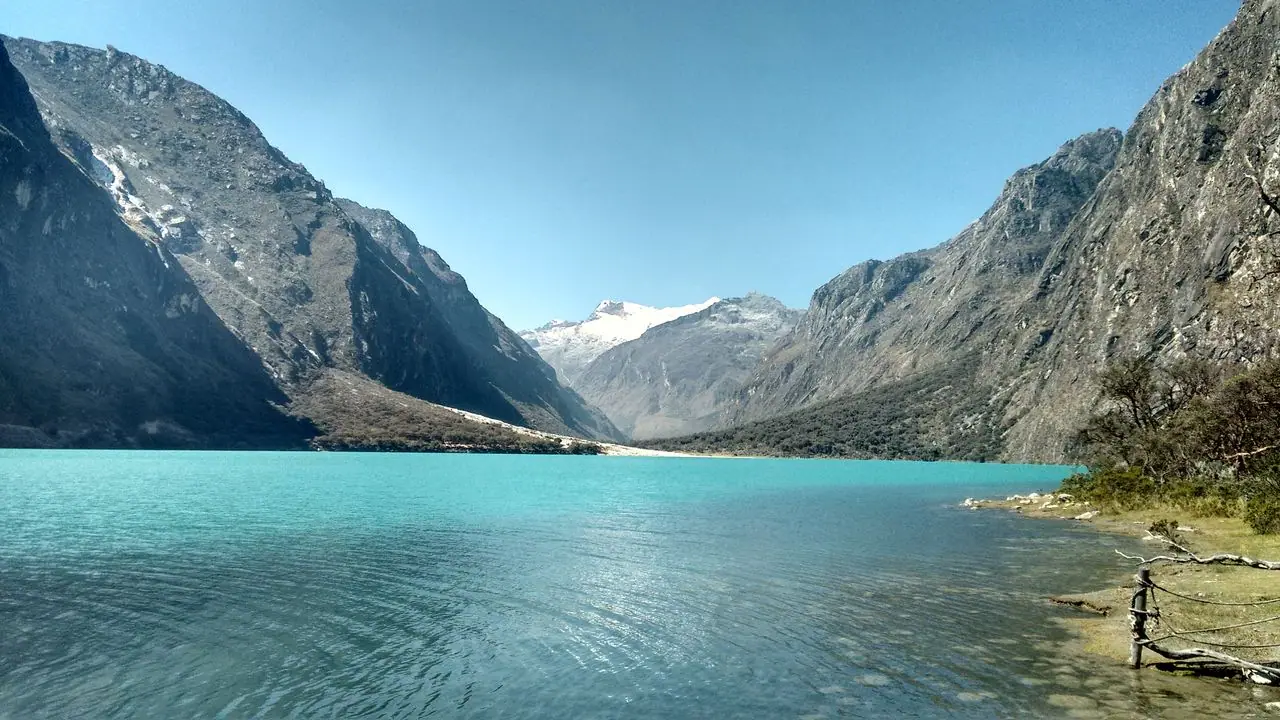
The Llanganuco valley, with the Chinancocha and Orconcocha lakes, is the easiest and most visited access from Yungay. You get there by a road of about 28 kilometres and it can be visited in half a day. The Chinancocha circuit has direct ticket sales. All the detail is in the guide to the Llanganuco lakes.
Laguna 69
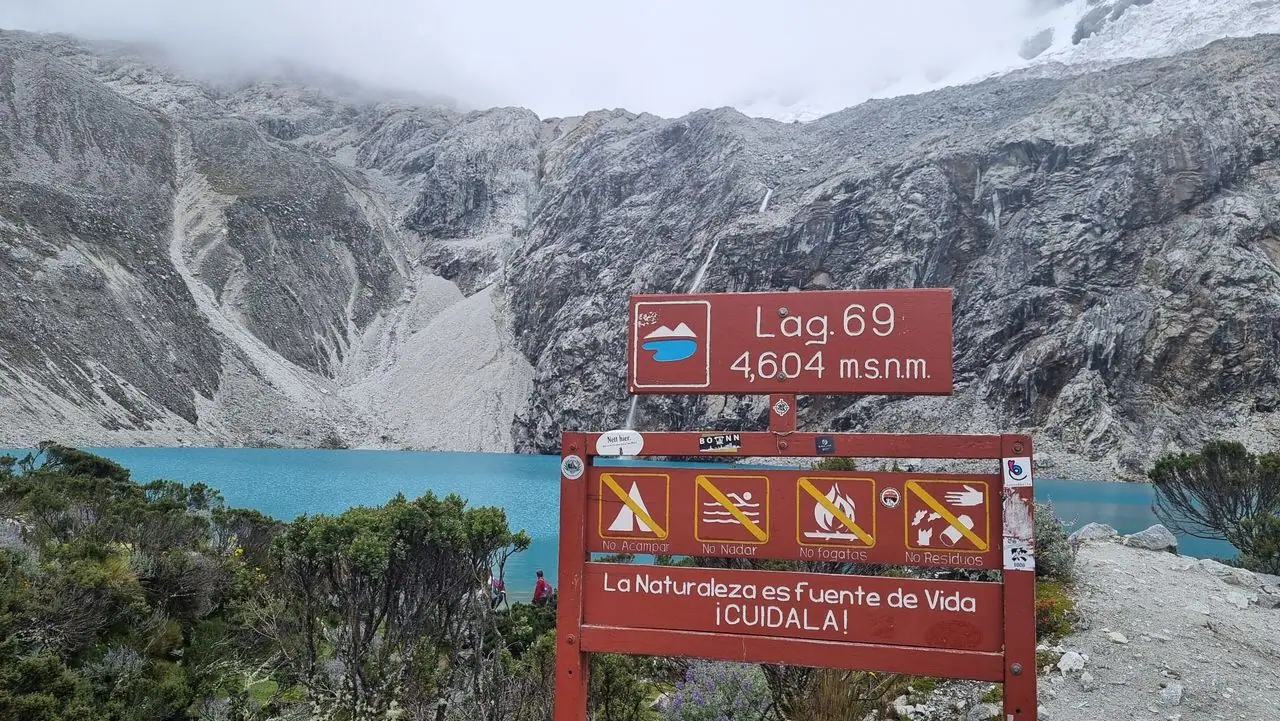
The most famous hike, which starts from Cebollapampa. Since February 2026 it can only be visited with agencies authorised by SERNANP. Read the complete Laguna 69 guide.
Pisco snow-capped peak
A peak of about 5,700 metres, very popular with those starting out in mountaineering, with regulated access and ticket sales under SERNANP control since April 2026, according to public information. It is visited with a guide and an authorised agency.
Santa Cruz trek
One of the best-known treks in Peru: about 50 kilometres between Vaquería (on the Llanganuco side) and Cashapampa, crossing the Punta Unión pass, at about 4,750 metres. It is usually done in three or four days, with a guide and muleteers or independently, and requires good acclimatisation and fitness.
Other routes
In other sectors of the park there are options such as Pastoruri, with its glacier and Puya raimondii woodlands; Ishinca and other valleys for mountaineering; and lakes such as Parón or Llaca. Each circuit has its own conditions; check with an agency or with SERNANP.
How tickets work
Entry to the park requires a ticket. According to public information:
- Purchase. It can be done online on the official SERNANP platform (known as Tu Ticket) or in person at the control posts, depending on the circuit.
- Reference fares. Secondary sources report one-day fares of around S/ 12 for adult Peruvians and S/ 30 for foreigners, with fares for multi-day stays and free entry for under-fives. These are references and may change.
- Rules by circuit. Since 2026, Laguna 69 and the Pisco snow-capped peak require authorised agencies. The Chinancocha circuit continues to be sold to the visitor.
- Temporary restrictions. Access is sometimes closed because of maintenance, rescue or weather; for example, in July 2026 a temporary closure of access to Huascarán was reported because of a search and rescue operation. Check before you go.
Tip: buy and check your ticket in advance, bring your ID document and keep the ticket throughout the visit.
Park rules you should know
A national park protects a heritage that belongs to everyone. To visit it well:
- Stay on the marked paths.
- Do not pick plants, stones or objects from the site.
- Do not throw rubbish; take all your waste back with you.
- Do not swim in lakes or alter watercourses.
- Do not light fires outside permitted places.
- Do not feed or chase wildlife.
- Avoid excessive noise.
- Follow the instructions of the park rangers.
- If you are going to camp or trek for several days, find out about the regulations and consider hiring local guides and muleteers.
- Do not use drones without the corresponding authorisation.
Penalties for breaking the rules of protected areas can be severe, with fines of up to 10 UIT under the regulations.
When to visit the park
The best season is the dry season, from May to September, with clearer skies and safer paths. From October to April it rains more and clouds often hide the summits, although the vegetation is greener. If you want fewer people, May and September are a good balance. More details in best time to visit Yungay and Huaraz.
How to prepare
Altitude
Most of the park's attractions are above 3,800 metres. Set aside days to acclimatise, avoid alcohol, drink plenty of water and ascend gradually. Read altitude sickness and acclimatisation.
Equipment
Layered clothing, waterproof jacket, hat, gloves, sunscreen, sunglasses with a UV filter, trekking footwear, water, snacks and a personal first-aid kit. The complete list is in what to pack for Yungay and the Cordillera Blanca.
Guides and agencies
For high-mountain circuits or multi-day treks, hiring an authorised guide improves safety and supports local communities. Check the credentials and the SERNANP authorisations.
Insurance
If you are travelling from abroad, consider travel insurance that covers high-altitude activities.
How to organise a visit to the park from Yungay
A practical outline for three to five days:
- Day 1: arrival, rest and a gentle walk around the square.
- Day 2: visit to the Campo Santo and the square, with time to hydrate.
- Day 3: Llanganuco lakes in half a day.
- Day 4: Laguna 69 with an authorised agency, if you are acclimatised.
- Day 5: rest and an experience in the garden.
If you want a more detailed plan, see the 3-day itinerary in Yungay or things to do in Yungay.
Where to stay to visit the park
Yungay is the gateway to the Llanganuco sector and to several routes. Staying in Yungay lets you get up less early, rest nearby and combine the mountains with relaxed plans. At Comtury Lodge we offer complete, independent bungalows for groups of 2 to more than 16 people, with a private bathroom, a balcony with a view of the Cordillera Blanca, a kitchen for free use, secure parking, gardens and a pet-friendly policy. You can work out which one suits you with the finder. If you are comparing options, read where to stay in Yungay: a complete guide.
Glaciers and climate change
One of the most important features of the park, and also one of the most fragile, is its glaciers. The Cordillera Blanca is the tropical mountain range with the largest glacier surface in the world, and from that ice comes the water that feeds the Santa river and supplies communities, agriculture and towns of the Callejón de Huaylas. In recent decades, the glaciers have retreated notably, a change that can be seen even with the naked eye by comparing old photographs with present-day ones.
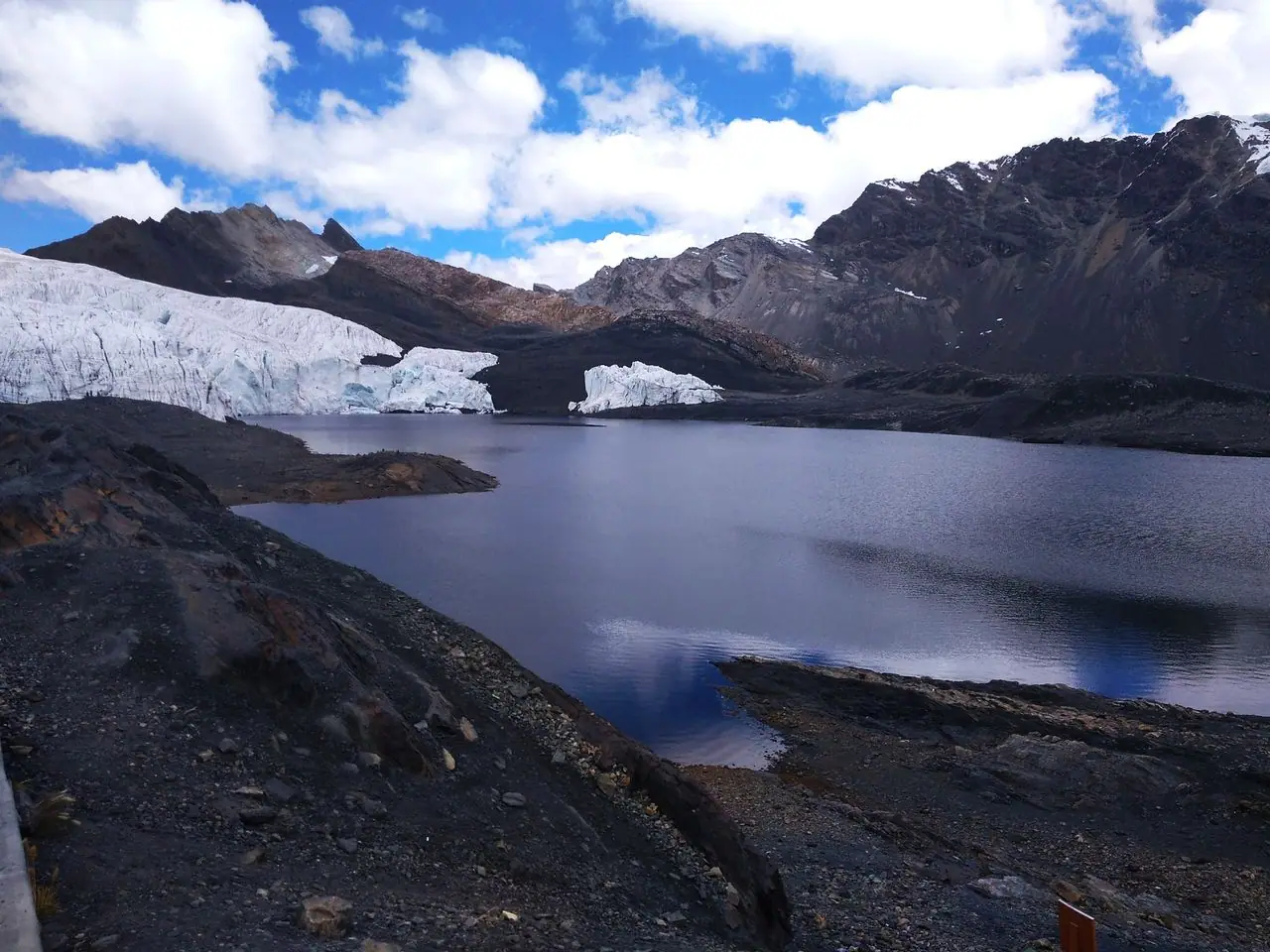
That is why visiting the park is also an opportunity to understand what is at stake. Travelling with responsible operators, leaving no waste, reducing the use of single-use plastics and respecting the access rules are concrete ways of caring for this heritage. If the subject interests you, ask the local guides: many of them can tell you how the glaciers have changed since they began working in the area.
Flora and fauna: what you can see
With luck and patience, you can see several emblematic species in the park.
- Andean condor. It is the largest flying bird in the world and is usually seen gliding over valleys and rock walls, especially in the morning and at sunset.
- Vicuña. A wild camelid with very fine wool, common in high, open areas.
- Taruca. An Andean deer of rocky areas, harder to see.
- Andean fox, puma and spectacled bear. Present in the park, although they are rarely seen, especially when noisy groups pass by.
- High-altitude birds. Grebes, Andean ducks, hummingbirds and various species that live around the lakes and grasslands.
- Queñuales. Trees with reddish bark that form woodlands above 3,500 metres, among the highest in the world.
- Puya raimondii. A gigantic bromeliad that flowers only once in its life, after decades, and then dies; it is found in sectors such as Pastoruri.
Watching wildlife calls for silence, distance and respect. Move on without shouting, do not feed any animal and let them approach you, if they wish.
A park with communities
Beyond the landscape, the park coexists with farming communities that have lived in these valleys for generations. Many offer guiding, muleteering, food and rural accommodation services. Hiring local services under clear agreements strengthens community economies and improves your experience, because those who know the terrain can guide you better on the weather, the path and the culture of the place.
Which circuit to choose according to your type of trip
- If you have one day and little time: the Llanganuco lakes, with the Chinancocha circuit ticket.
- If you want a demanding one-day hike: Laguna 69, with an authorised agency and good acclimatisation.
- If you want a multi-day trek: Santa Cruz, with a guide and muleteers or independently if you have experience.
- If you travel with family or older adults: Llanganuco, with short walks and little physical demand, and a medical consultation beforehand because of the altitude.
- If you want tranquillity and less effort: combine a short visit to the lakes with down-to-earth experiences, such as a day of yoga, meditation or Andean cooking.
Frequently asked questions about Huascarán National Park
Why is it a World Heritage Site?
Because it protects an exceptional high-mountain ecosystem, with tropical glaciers, lakes, biodiversity and landscapes of universal value. UNESCO recognises it as a Natural Heritage site.
How much does entry cost?
It varies by circuit and duration. Public references speak of S/ 12 for Peruvians and S/ 30 for foreigners for one day, but confirm on the official SERNANP platform.
Where do I buy the ticket?
Online on the official SERNANP platform or at the control posts, depending on the circuit. For Laguna 69 and the Pisco snow-capped peak, through authorised agencies.
Can I enter without a guide?
On circuits such as Chinancocha, yes. On regulated circuits such as Laguna 69, or on high-mountain climbs and treks, an authorised agency or guide is needed.
What is the highest snow-capped peak?
Huascarán Sur, at 6,768 metres, is the highest summit in Peru.
What animals are there in the park?
The Andean condor, the vicuña, the taruca, the puma, the Andean fox and the spectacled bear, among others. Sightings are not guaranteed.
Can I camp?
There are specific zones and rules for camping. Find out from SERNANP or an agency before you plan.
Is it safe to visit the park?
With planning, acclimatisation and respect for the rules, yes. Check the weather and the conditions of the day and follow the instructions of guides and park rangers.
Conclusion
Huascarán National Park is an extraordinary natural heritage and, from Yungay, one of the best places to get to know it. With tickets in order, acclimatisation, warm clothing and respect for the environment, you can explore turquoise lakes and glaciers on day excursions or head into multi-day treks. If you would like a quiet place to rest between one outing and the next, write to us through the form or on WhatsApp at +51 943 529 322 and we will help you plan your stay at Comtury Lodge, at Jirón 2 de Mayo 1019, Yungay.
Cover photo: Carlo Brescia · CC BY-SA 4.0 · Wikimedia Commons
Want to live it in person?
Request a stay