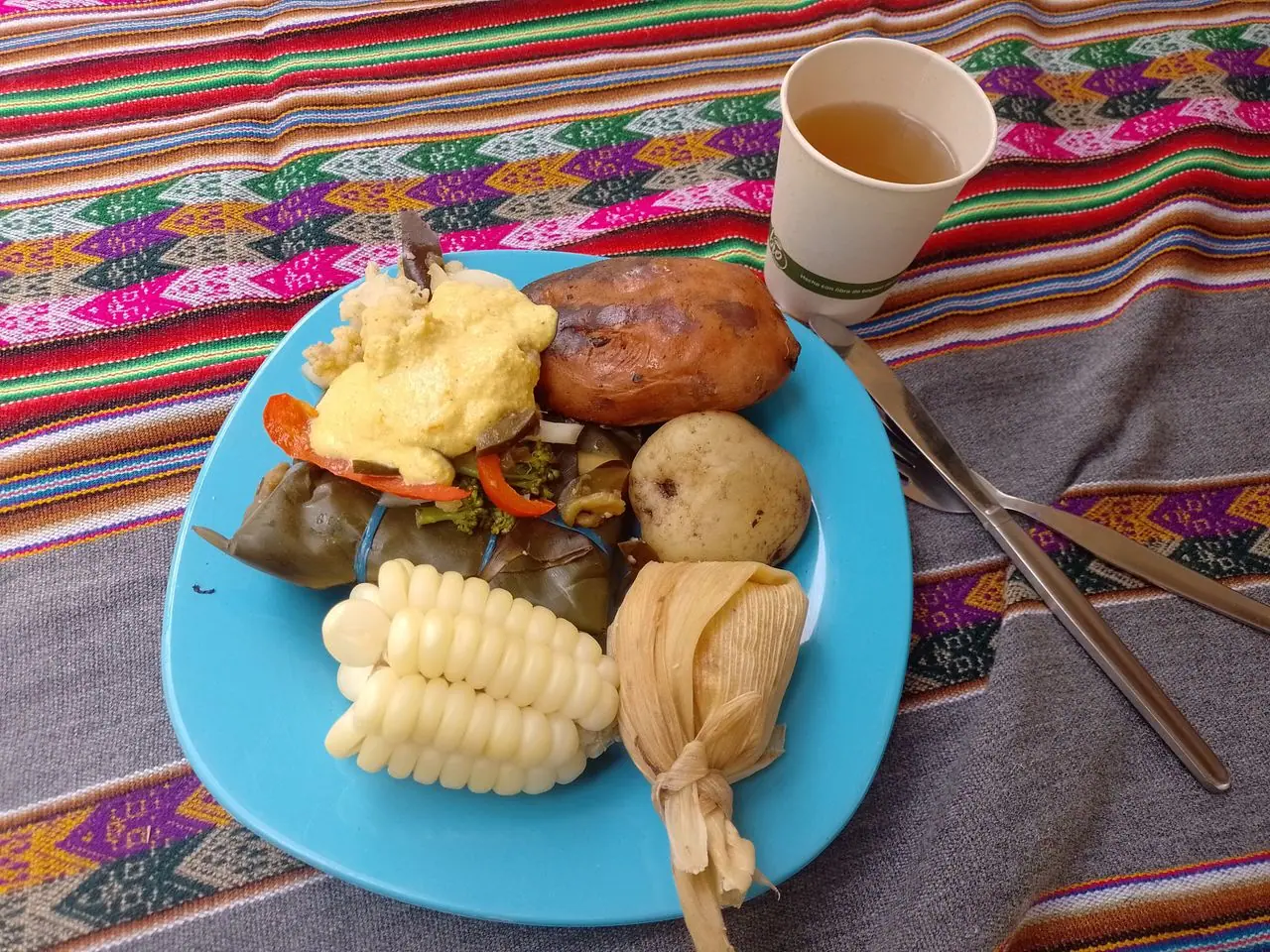
Travelling to Yungay and the Callejón de Huaylas is also travelling with your palate. The traditional food of Áncash is the food of the highlands: hearty, generous, made with high-altitude ingredients such as choclo, potato, mote, beans, tarwi and the meats that feed those who work the land and walk the mountains. It is a cuisine of comforting broths, of stews with chilli, of clay ovens and shared tables, and it is one of the best ways to understand the local culture.
In this guide we gather the most characteristic dishes of the region, explain how to order them, what to expect, what options there are if you do not eat meat, what to eat to feel well at altitude and how to experience the food of Yungay in a closer way, from the market to the kitchen.
An honest clarification. The cuisine of Áncash is broad and every town has its variations and family recipes. This guide collects dishes recognised in the region and in Huaraz; in Yungay you will find home-style versions of many of them, with their own nuances. Names and preparations can vary from one place to another.
The cuisine of the Áncash highlands: ingredients and spirit
Before the dishes, it is worth understanding the ingredients that tie them together:
- Potato. Peru preserves thousands of varieties of native potato, and in the highlands it is the accompaniment par excellence.
- Choclo and mote. Large-kernel corn, either fresh (choclo) or cooked and peeled (mote), a must in the Andean dish.
- Pulses and tarwi. Beans, broad beans and tarwi or chocho, an Andean lupin rich in protein, eaten debittered, in ceviches and stews.
- Meats. Guinea pig (cuy), pork, hen, beef and lamb, prepared in the oven, fried, in broths or stewed.
- Chilli and herbs. Ají amarillo and panca chilli, mint, huacatay, parsley, coriander and other herbs that scent the dishes.
- Fruit and vegetables of the valley. Avocados, onions, carrots, beetroot, radishes and vegetables from local gardens.
The spirit of this cuisine is that of the abundant, shared table. It is food designed to give energy in a cold and demanding climate, and it is enjoyed slowly.
Dishes you should try
Picante de cuy
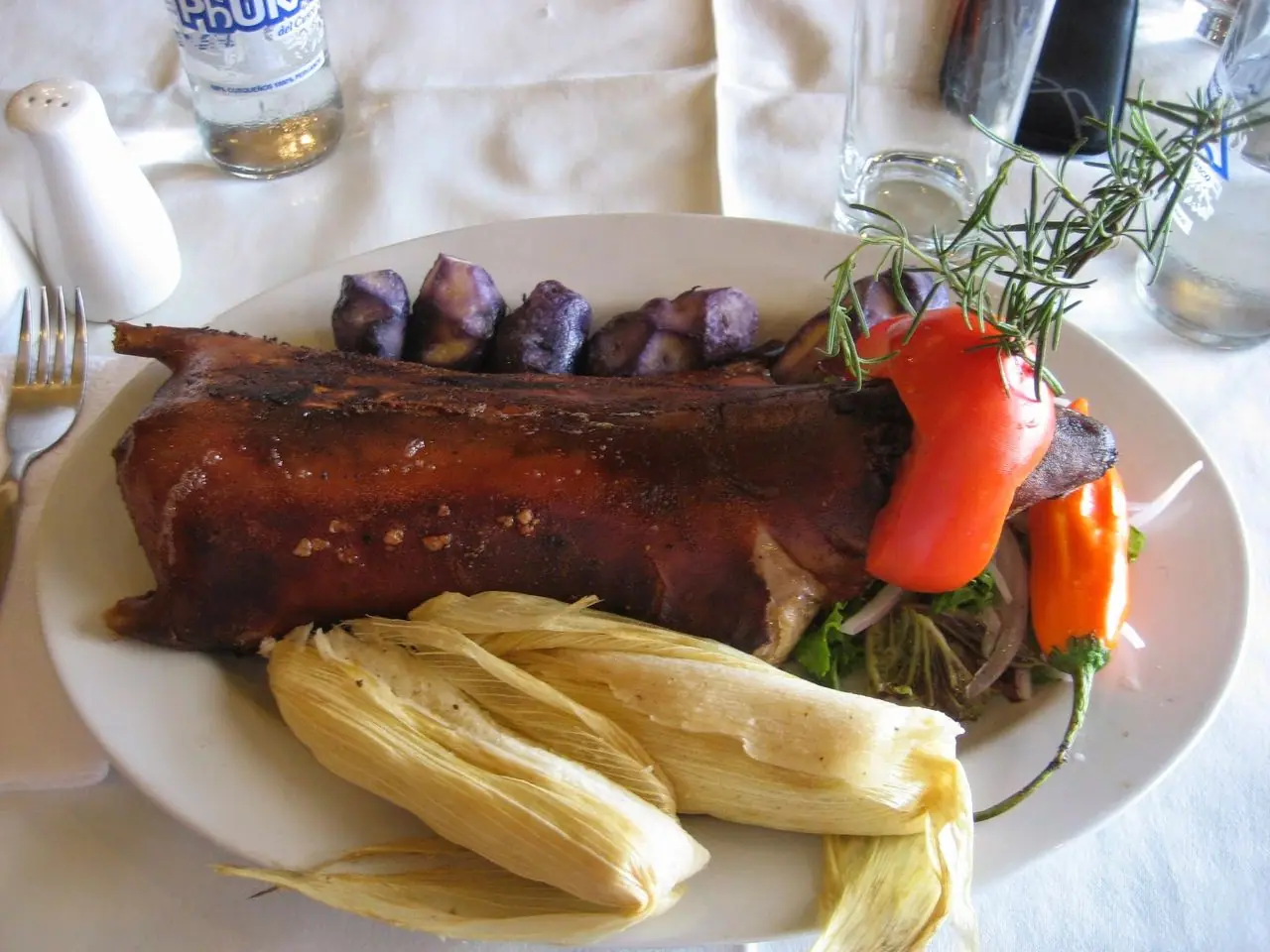
This is probably the most emblematic dish of the region: fried or stewed guinea pig, served with potatoes and chilli sauce and sometimes accompanied by salad or peanuts. Cuy is a traditional animal of Andean cooking, with an intensely flavoured and much appreciated meat. If it is your first time, order a portion to share, ask about the preparation time (it usually requires a wait) and taste it calmly. It is a dish for celebrations.
Pachamanca
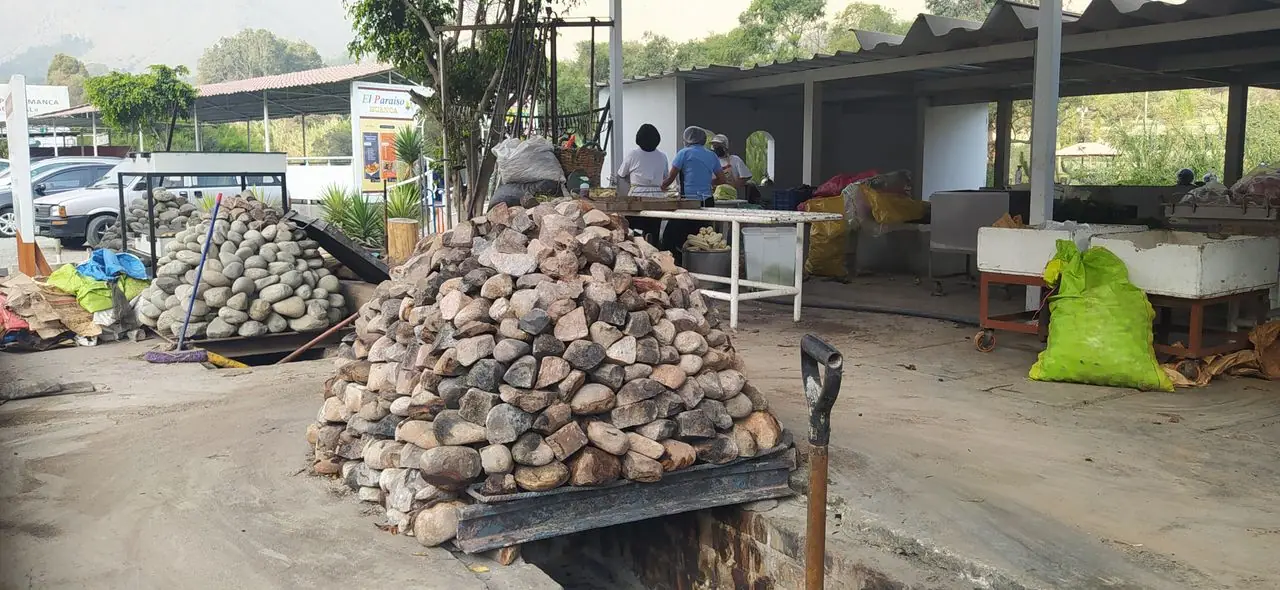
Pachamanca is an ancestral way of cooking: meats, potatoes, choclo, broad beans and herbs cooked underground with hot stones, which wrap the food in a smoky, juicy flavour. It is often prepared for special occasions or to order, so it is best to book in advance. Ask in local restaurants, at your accommodation or in communities that offer it.
Llunca de gallina
This is a traditional soup of the region: pieces of hen, ground wheat, potatoes, vegetables and aromatic herbs. It is comforting, ideal for cold mornings and afternoons.
Cuchicanca
A preparation of roast pork (suckling pig), crisp outside and tender inside, very popular at celebrations. It is usually served with potatoes, mote and chilli sauce.
Chicharrón and pork charqui
Pork chicharrón, golden and crunchy, is a classic of the highlands, served with mote, sweet potato and salsa criolla. Charqui is salted, dried meat, used in stews and traditional dishes.
Chocho (tarwi) ceviche
A vegetarian and regional alternative: debittered tarwi, dressed with onion, lime, chilli and herbs, in an Andean version of ceviche. Fresh, protein-rich and very local.
Puchero and broths
Puchero brings together meats, cabbage, potatoes and vegetables in an abundant stew. Broths, including caldo de cabeza, are popular for breakfast and for cold mornings, and are credited with great restorative power.
Humitas, tamales and breads
In bakeries and markets you will find choclo humitas, tamales and artisan breads for breakfast or mid-afternoon. They are a simple, very local bite.
Desserts and sweets
- Manjarblanco. Creamy milk caramel, typical of Huaraz and the Callejón.
- Mazamorra de zapallo. A thick, sweet dessert made from squash.
- Seasonal fruit. Avocados, peaches, lúcumas and other fruit from the valley, fresh or in juices.
Drinks and accompaniments
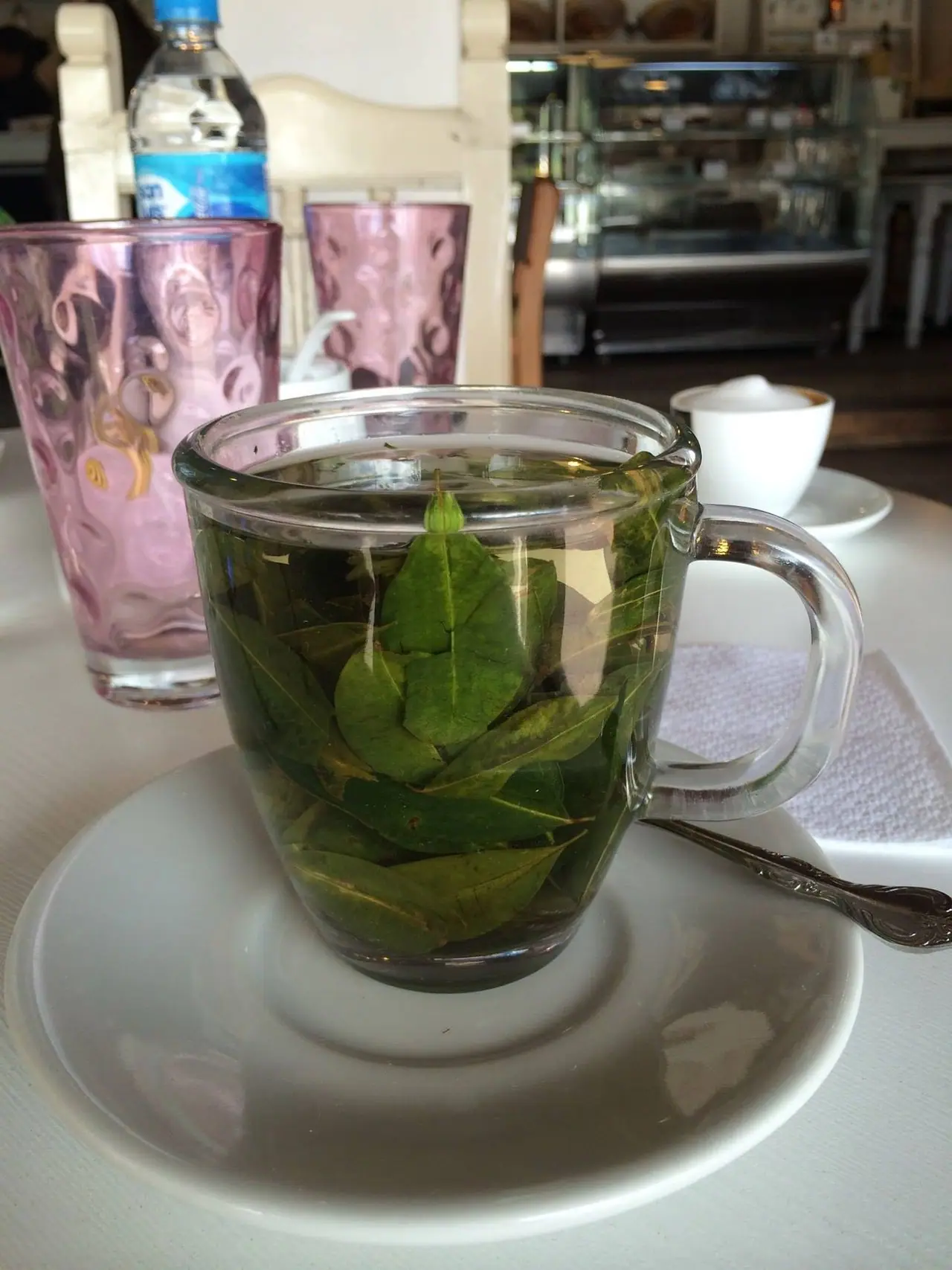
- Teas and infusions: of chamomile, muña, lemon verbena and coca, traditional in the region.
- Fruit juices.
- Chicha de jora, a fermented corn drink from the Andean tradition, in places that offer it.
- Coffee from the highlands, in some venues.
If you drink alcohol, remember to be moderate at altitude, especially in the first few days. Read altitude sickness: how to prevent it.
How to eat well at altitude
Altitude reduces appetite and slows digestion. Some ideas:
- Eat lightly on arrival. Soups, broths and simple carbohydrates.
- Split it into small portions. Several light meals work better than one very large one.
- Hydrate. Water and herbal teas during the day.
- Moderate fat and alcohol, at least in the first few days.
- Make the most of soups. Broths are an excellent source of hydration and energy.
Options if you do not eat meat
Although the cuisine of the highlands is rich in meat, there are alternatives:
- Chocho ceviche, with tarwi.
- Vegetable, quinoa or wheat soups.
- Choclo humitas and tamales.
- Potato with cheese or huacatay chilli sauce, with mote and choclo.
- Pulses and legume stews.
- Salads and vegetables from the garden.
Tell the restaurant in advance; many adapt the dishes.
How and where to try the food of Yungay
The market
The Yungay market is a good introduction to local flavours: fruit, vegetables, cheeses, breads and inexpensive home-cooked meals. Walk without hurrying, ask about seasonal products and try the breakfasts and lunches on offer.
Restaurants and eateries
There are restaurants and simple eateries where you can try traditional dishes. Ask about the dishes of the day and the preparation times. Some dishes, such as pachamanca or cuy, usually need to be ordered ahead.
Cooking it yourself
A closer way to get to know the food is to cook it. At Comtury Lodge the equipped kitchen and the dining room are for guests to use freely, so you can buy ingredients at the market and prepare your own meals. In addition, we offer a cooking experience, by reservation and open to the public, in which we cook Andean dishes of the region with ingredients from the garden, the hearth and the clay oven in the barbecue area. It is a way of connecting with the produce and with the person who prepares it.
Eating with the garden
If you are interested in knowing where your food comes from, the harvest experience lets you walk through the vegetable garden and the fruit trees and pick, depending on the season, vegetables, herbs and fruit that then reach the table.
Etiquette and tips for eating in the highlands
- Ask about timings. Traditional dishes can take a while; home cooking has its own rhythm.
- Ask about the heat. The chilli can be strong; ask for the sauce on the side.
- Share. Portions are usually generous.
- Carry cash. Many eateries do not accept cards.
- Say thank you. A smile and a "gracias" make the experience warmer.
- Look after the water. Drink bottled or boiled water and ask at your accommodation.
- Taste with curiosity. Intense flavours are part of the experience.
A day of eating in Yungay: an example
- Breakfast: fresh bread with cheese or avocado, a mild broth or a soup, herbal tea.
- Mid-morning: seasonal fruit from the market.
- Lunch: a traditional dish, such as a picante, a llunca or a chicharrón with mote, or a vegetarian option with tarwi.
- Afternoon snack: humitas or a manjarblanco sweet with coffee.
- Dinner: a light soup or broth, with time to talk.
If you want to plan a fuller day, see the 3-day itinerary in Yungay and things to do in Yungay.
Useful vocabulary for ordering in the highlands
Knowing a few words helps you order better and lose your fear of the unfamiliar:
- Ají and rocoto: hot sauces of varying intensity. Ask for "ají aparte" (chilli on the side) to control the heat.
- Huacatay: an Andean aromatic herb that flavours sauces and stews.
- Mote: cooked, peeled corn, a classic accompaniment.
- Choclo: tender large-kernel corn.
- Menestras: pulses such as beans, broad beans or lentils.
- Caldo: meat or hen soup with vegetables; often served at breakfast.
- Segundo: the main course after the soup in a set menu.
- Menú del día: a starter, main course and sometimes a drink, at a fixed and affordable price.
- Para llevar: takeaway food; some places offer it, useful for excursions.
What to try in the Callejón de Huaylas, beyond Yungay
The food of Áncash is also experienced in the neighbouring towns. If you travel the valley, take the chance to compare flavours: in Huaraz you will find a wide range of restaurants and regional dishes; in Carhuaz, Mancos and Caraz there are eateries and markets with home-style preparations; and in each place, the municipal markets show the variety of products of the area. Travelling through several towns lets you discover small differences in the recipes and in the ways of serving.
Food for trekking and long excursions
If you are going to walk for several hours, as in Llanganuco or Laguna 69, what you carry in your pack matters:
- Energy snacks: nuts, chocolate, bars, dried fruit.
- Simple carbohydrates: bread, biscuits, boiled potato or sweet potato.
- Fresh fruit: mandarins, apples, bananas, which also hydrate.
- A light lunch: a sandwich, hard-boiled egg, cheese, or whatever you prepare at your accommodation.
- Drinks: water and a hot drink in a flask.
- Salt and electrolytes: useful if you sweat a lot.
Avoid very heavy or greasy meals on the day of the excursion.
Food safety: practical tips
- Choose busy places with a quick turnover of food.
- Ask for freshly prepared, well-cooked food.
- Wash or peel raw fruit and vegetables, and avoid water of doubtful origin.
- Drink bottled or boiled water.
- If your stomach is sensitive, introduce spicy and greasy dishes little by little.
- If you have doubts because of allergies, tell the restaurant clearly.
Flavours to take home as souvenirs
In local markets and shops you can find products to take away: manjarblanco, cheeses, artisan breads, herbs for teas, dried fruit and handicrafts from the area. Ask about their origin, taste before you buy and support local producers.
What to eat according to the time of day and the weather
- Cold mornings: broths, soups and hot herbal teas.
- Sunny midday: dishes with potato, mote and meat, or salads from the garden.
- Rainy afternoons: something hot and comforting, such as a puchero or a llunca.
- Bonfire nights: barbecues, roast tubers and a hot drink.
Frequently asked questions about the traditional food of Áncash
What do people eat in Yungay?
Food of the Áncash highlands: soups, broths, potatoes, mote, choclo, meats such as cuy, pork or hen, and dishes such as picante de cuy, pachamanca or llunca.
What is pachamanca?
A way of cooking underground with hot stones, which prepares meats, potatoes, choclo and herbs with a smoky flavour. It is usually made to order.
What is tarwi or chocho?
An Andean lupin rich in protein, eaten debittered, in ceviches, stews and soups.
Is there vegetarian food?
Yes: chocho ceviche, vegetable or quinoa soups, humitas, potatoes with chilli sauce and pulses. Tell the restaurant.
Is it safe to eat at the market?
Choose stalls with good turnover and cleanliness, ask for freshly prepared food and drink safe water. Ask at your accommodation for recommendations.
What should I eat to avoid altitude sickness?
There is no miracle food. Light meals, broths, hydration and avoiding alcohol and excess in the first few days help.
Can I cook at the accommodation?
At Comtury Lodge, yes: the equipped kitchen and the dining room are for guests to use freely.
Are there cooking classes?
We offer a cooking experience with Andean cuisine, by reservation and open to the public. Write to us with the date you are interested in.
Conclusion
The cuisine of Áncash is a delicious way into the culture of the highlands: from a broth on a cold morning to a shared pachamanca, from a fresh tarwi to a manjarblanco. Eat with curiosity, calmly and with respect for local rhythms, and let the table tell you stories. If you would like to experience it up close, write to us through the form or on WhatsApp at +51 943 529 322 and we will tell you how to book a cooking experience or a stay with your own kitchen in Yungay.
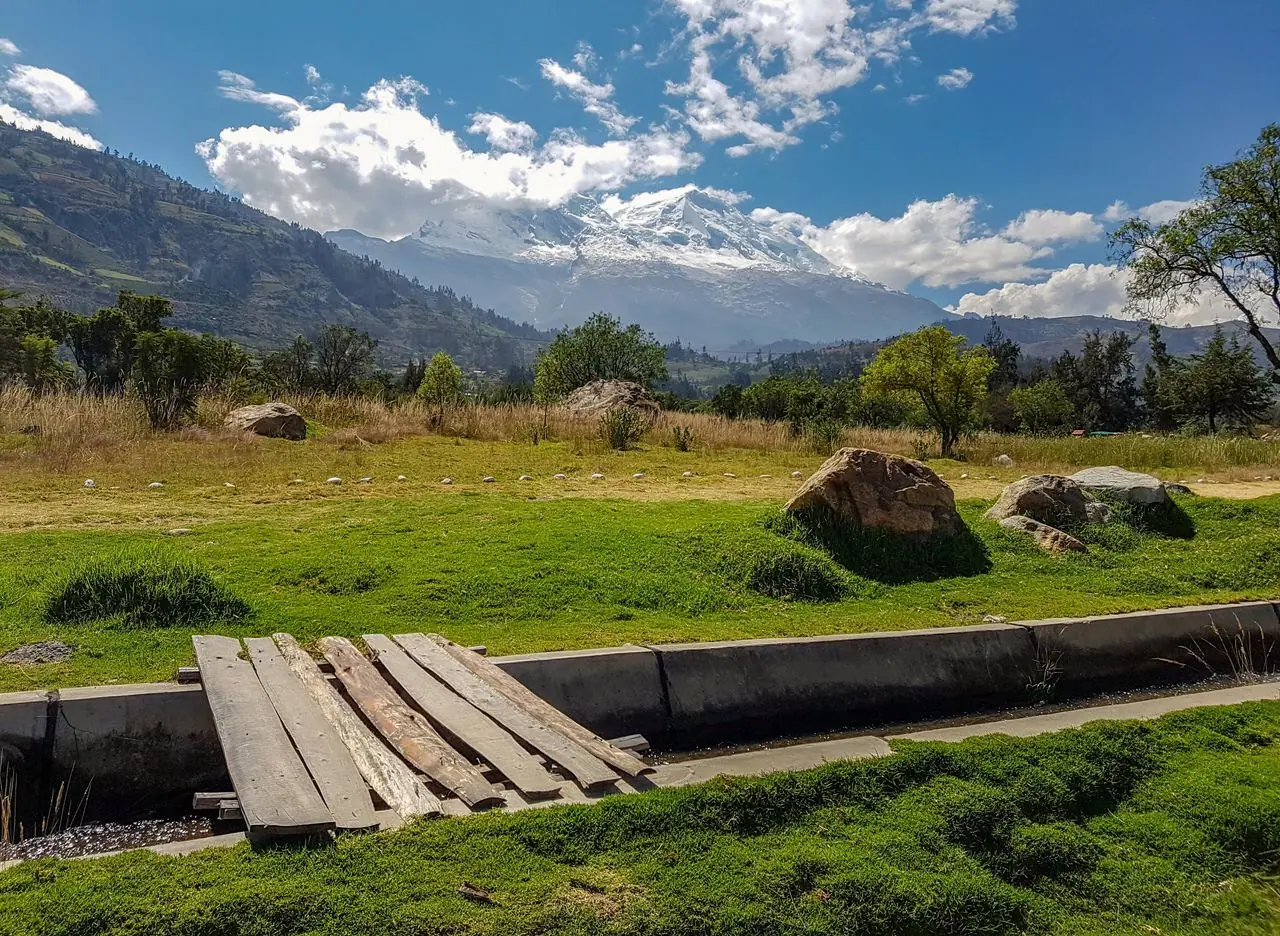
Cover photo: Stanglavine · CC BY-SA 4.0 · Wikimedia Commons
Want to live it in person?
Request a stay