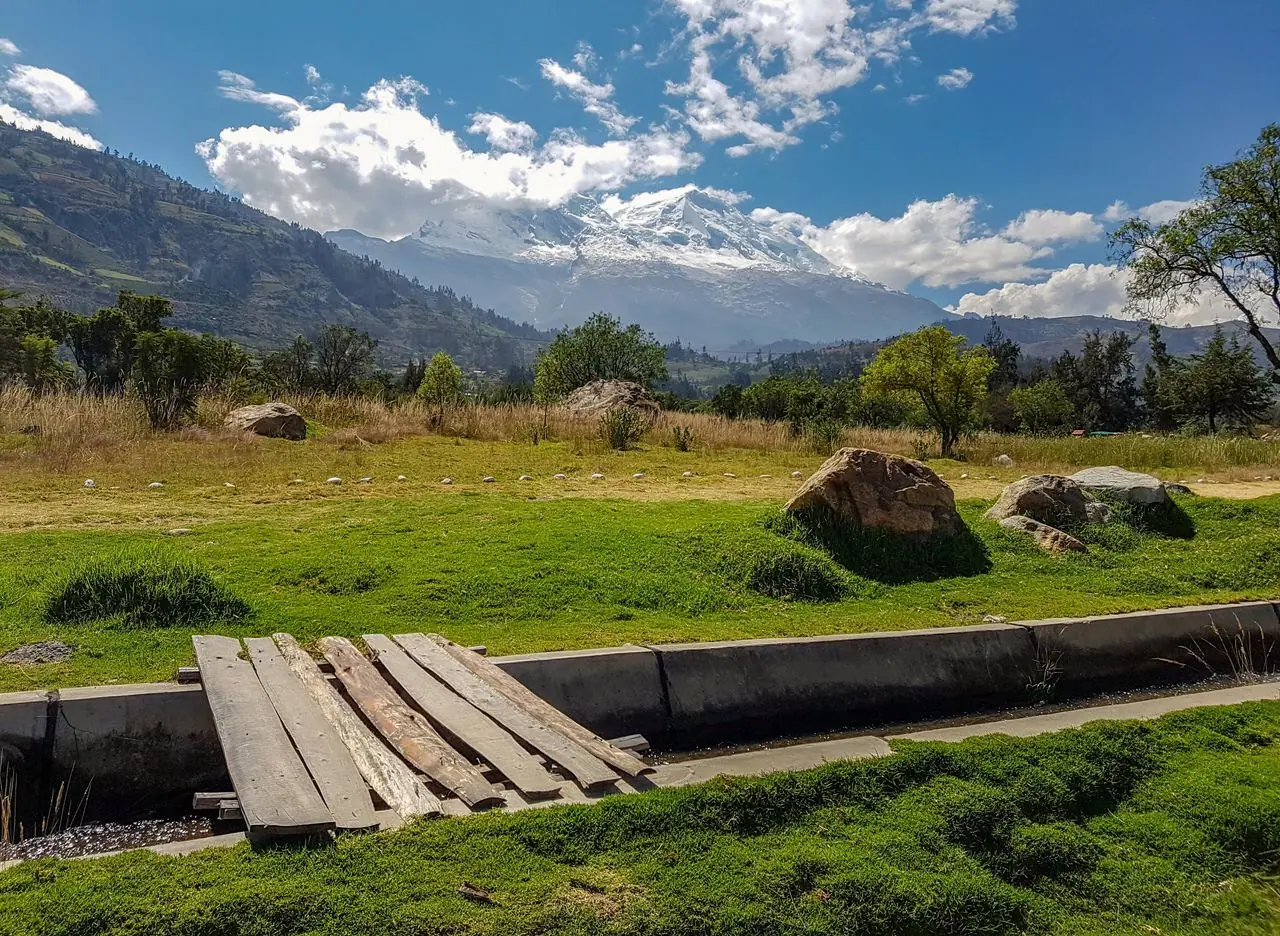
If you are wondering what to do in Yungay, the short answer is: a lot more than it seems at first glance. This quiet town in the Callejón de Huaylas, at roughly 2,458 metres above sea level and right at the foot of the Huascarán snow-capped peak, is at once a place of memory, the gateway to one of the most impressive high-mountain landscapes in Peru and an ideal resting point for anyone exploring the Cordillera Blanca.
In this guide we bring together the main attractions in Yungay and its surroundings, how much time each one deserves, the order in which to visit them so that you look after yourself at altitude, what to do when the weather does not cooperate and how to combine the mountains with slower plans: walking around town, tasting the local food or spending a day in a botanical garden. It is written both for Peruvian travellers planning a getaway and for visitors from other countries arriving in the Callejón de Huaylas for the first time.
Yungay at a glance. A province of Áncash in the Callejón de Huaylas · altitude of about 2,458 m a.s.l. · roughly 50 to 60 km from Huaraz (around an hour by road) · gateway to the Llanganuco lakes and to the northern sector of Huascarán National Park · dry season from May to September.
Why visit Yungay
There are three reasons why Yungay deserves more than a quick stop on the way through.
The first is its history. On 31 May 1970 an earthquake broke loose an enormous mass of ice, rock and mud from Huascarán and buried the old town. Today the place where it stood is the Campo Santo, a memorial that moves almost everyone who visits. The new Yungay was built a short distance away, on safer ground, and it is a friendly town of squares, markets and flowers. Knowing that story changes the way you look at the landscape, which is why we have dedicated a full guide to it: Campo Santo de Yungay: the 1970 earthquake, its history and a visitor guide.
The second is its geography. From Yungay a road climbing in zigzags inside Huascarán National Park leads to the Llanganuco lakes, and from that same valley set off famous hikes such as the one to Laguna 69. Sleeping in Yungay brings you closer to these attractions without the early start from Huaraz, which is more than an hour away. If you are still deciding where to stay, take a look at our guide to accommodation in Yungay.
The third is its rhythm. Huaraz concentrates the agencies, the nightlife and the restaurants; Yungay, by contrast, offers calm, clean air and an unhurried local life. Many travellers choose it as a base precisely to rest between one demanding excursion and the next.
The must-see attractions of Yungay
1. Campo Santo de Yungay
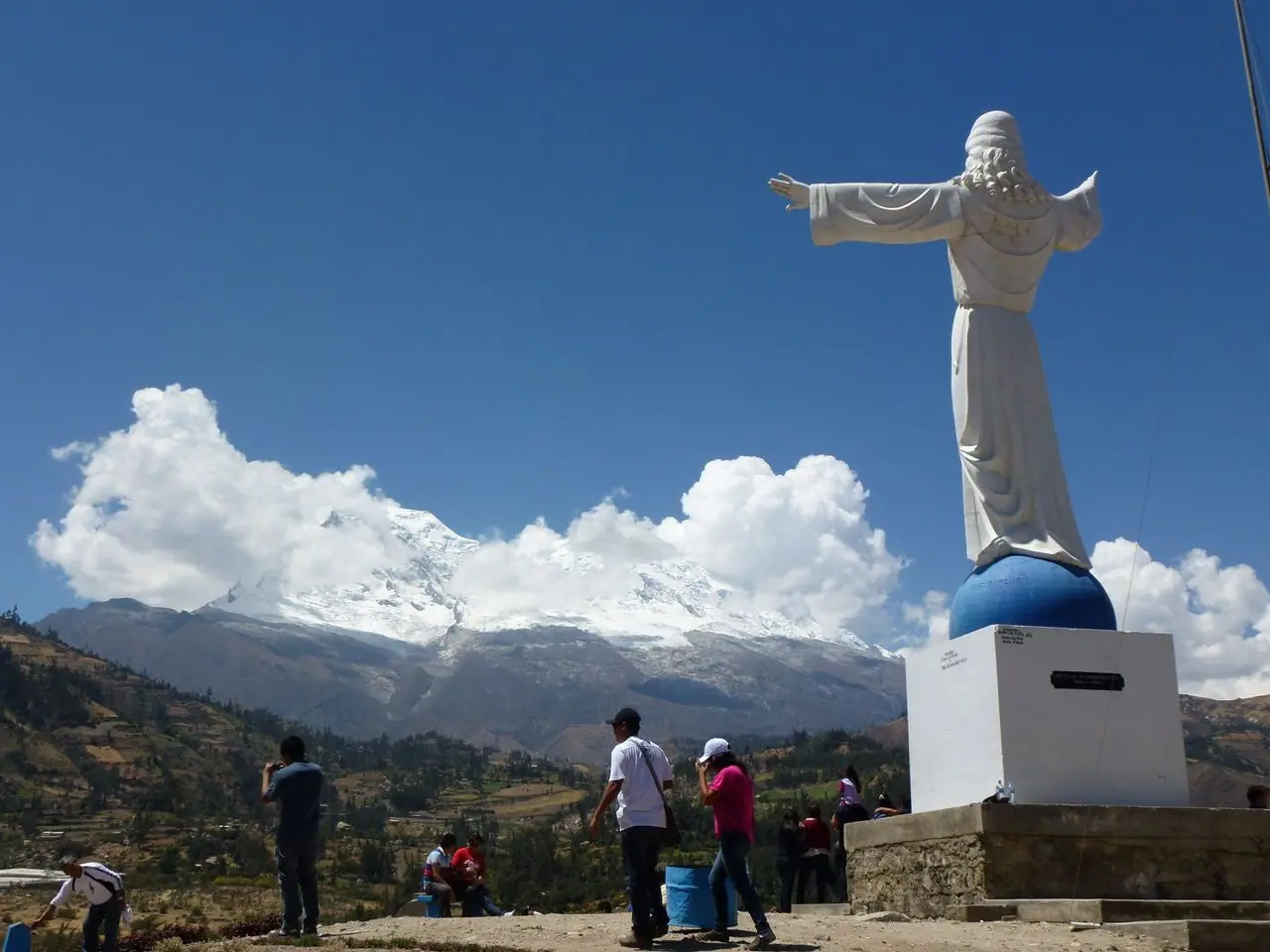
This is the site of the old town and probably the most meaningful visit in the area. On the hill that survived the avalanche there are rose gardens, a Christ with open arms and the tops of the four palm trees that remained standing. It is explored slowly and in silence. Visitors with time to spare usually stay between one and two hours, reading the signs and climbing up to the viewpoint from which the scale of what happened can be understood.
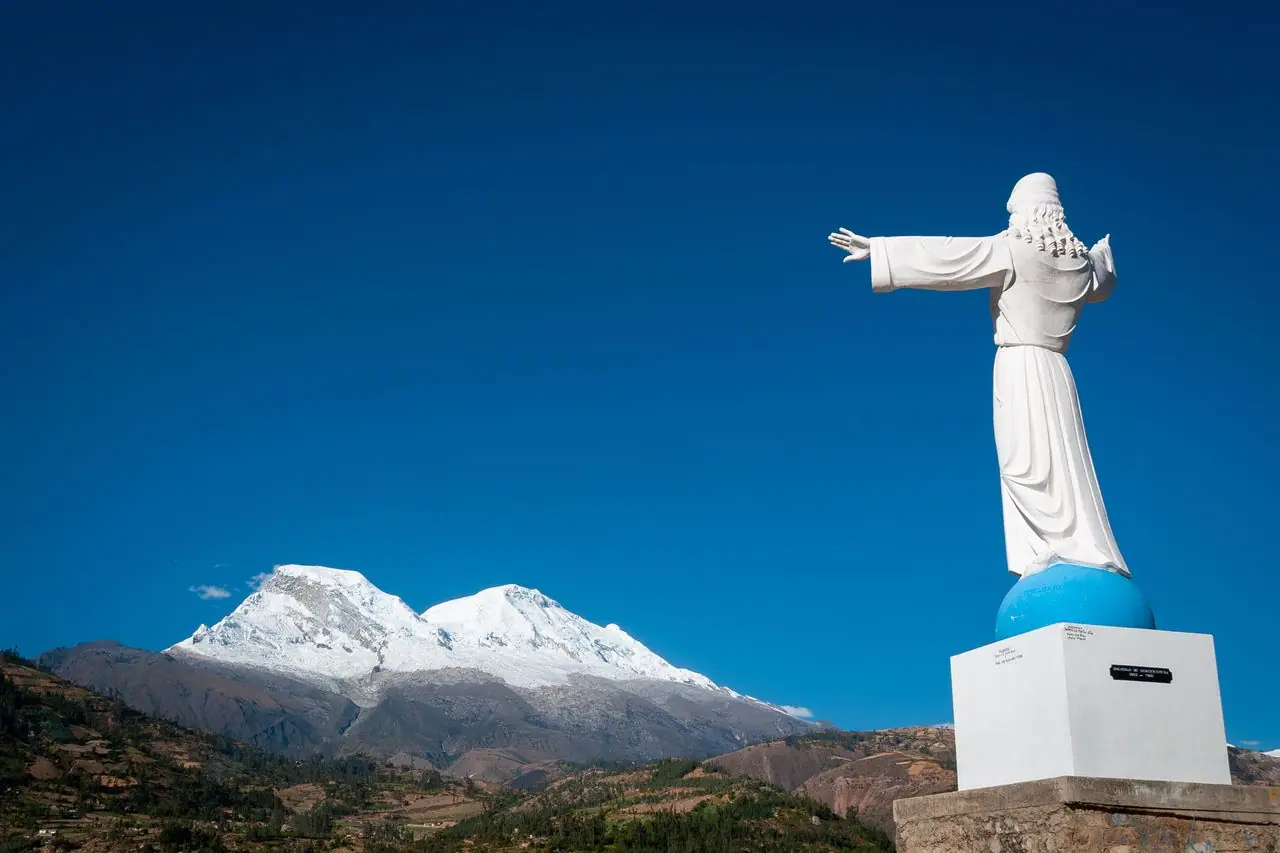
Practical tips: wear comfortable shoes, bring water and sunscreen (radiation at this altitude is strong even under clouds) and treat the place with respect, because it is a cemetery where thousands of people rest. Opening hours and the entrance fee can change; confirm them in the square or with your accommodation before you go.
2. Plaza de Armas de Yungay
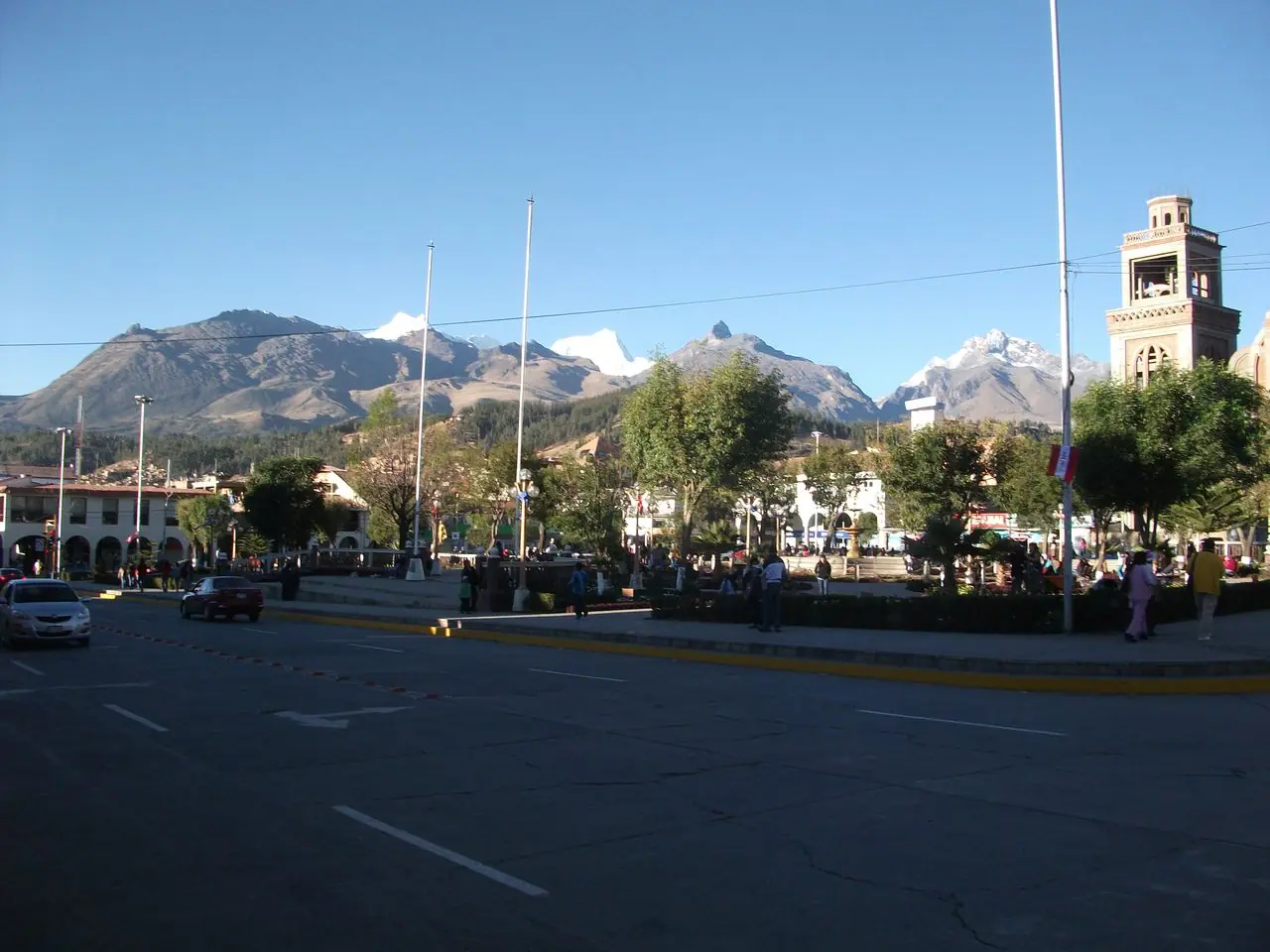
This is the heart of the new town and the best place to begin understanding the local rhythm. From the square you can see Huascarán and Huandoy, and around it you will find bakeries, simple cafés, the market and small restaurants serving home cooking. If you stay close by, as at Comtury Lodge, the square is about eight minutes on foot, so you can walk without depending on transport.
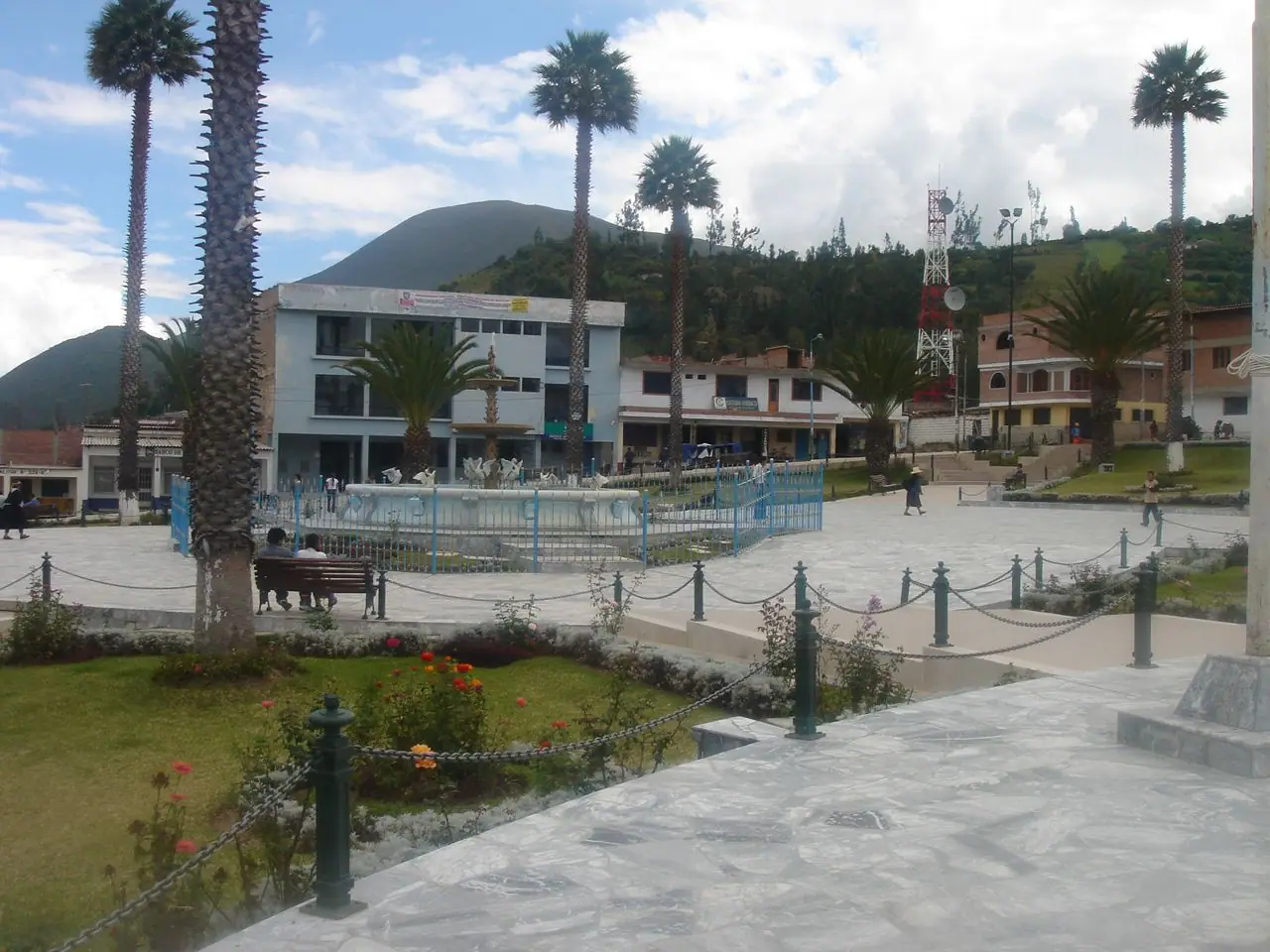
A good plan for the first day is to arrive, drop your bags, walk to the square, have something hot to drink and head back without rushing. It is also a gentle way to begin acclimatising; further down we explain why that matters.
3. Llanganuco lakes (Chinancocha and Orconcocha)
These are the most visited natural attraction from Yungay. They are two turquoise lakes, Chinancocha and Orconcocha, set between rock walls and glaciers inside Huascarán National Park, at about 3,860 m a.s.l. The road from Yungay is around 28 km long, mostly unpaved, and climbs more than a thousand metres, so the change in altitude is considerable in a single morning.
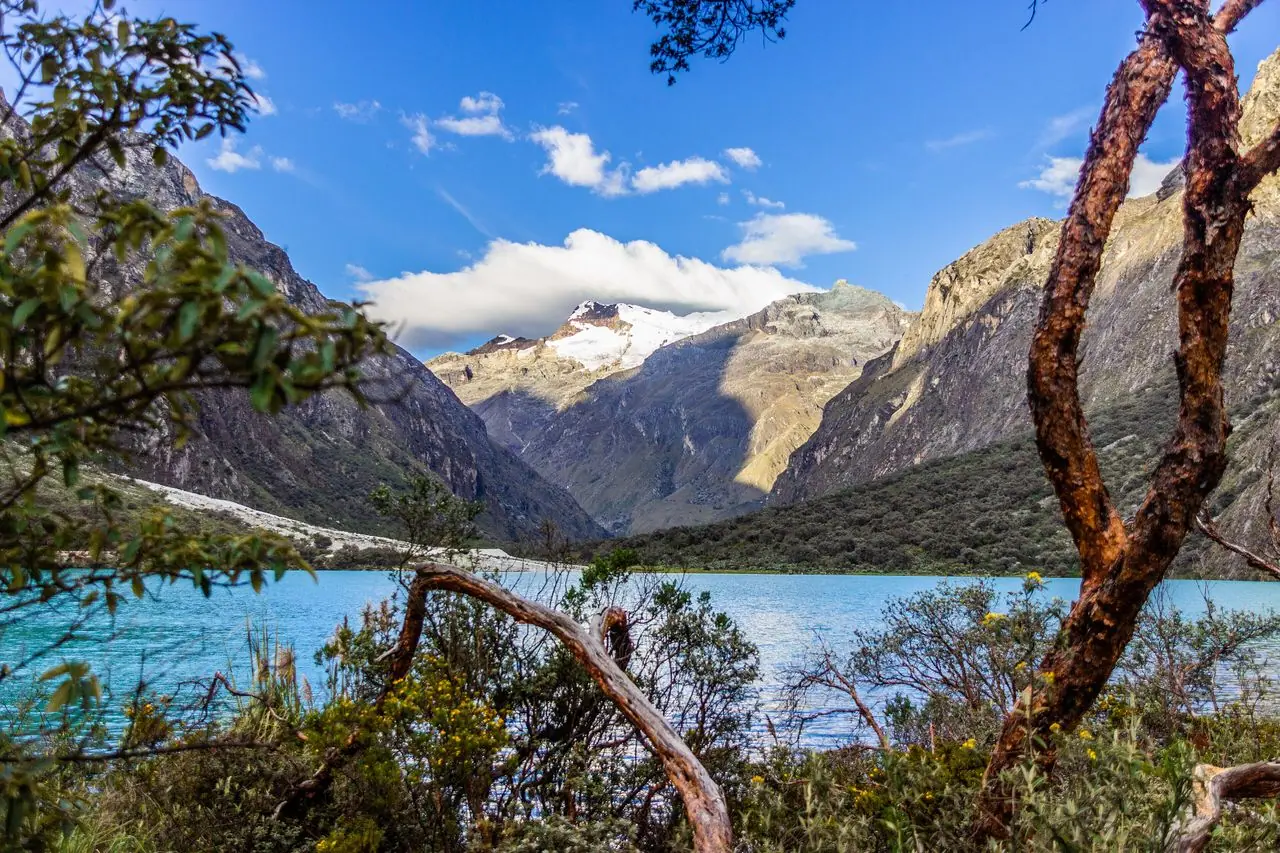
The Chinancocha lake circuit is visited with a park ticket (online or at the control posts). You can go by taxi, by shared taxi (colectivo) depending on the season or with an agency, and it is best to leave early because the sky is usually clearer in the morning. Allow a full half day. We have a specific guide with every detail in Llanganuco lakes: how to get there, what it costs and what to bring.
4. Laguna 69
This is one of the most famous hikes in the Cordillera Blanca and it starts from Cebollapampa, in the Llanganuco sector. The lake sits at about 4,600 m, surrounded by glaciers, and the round trip takes between six and seven hours of walking depending on your pace. It is demanding because of the altitude, not because of technical difficulty.
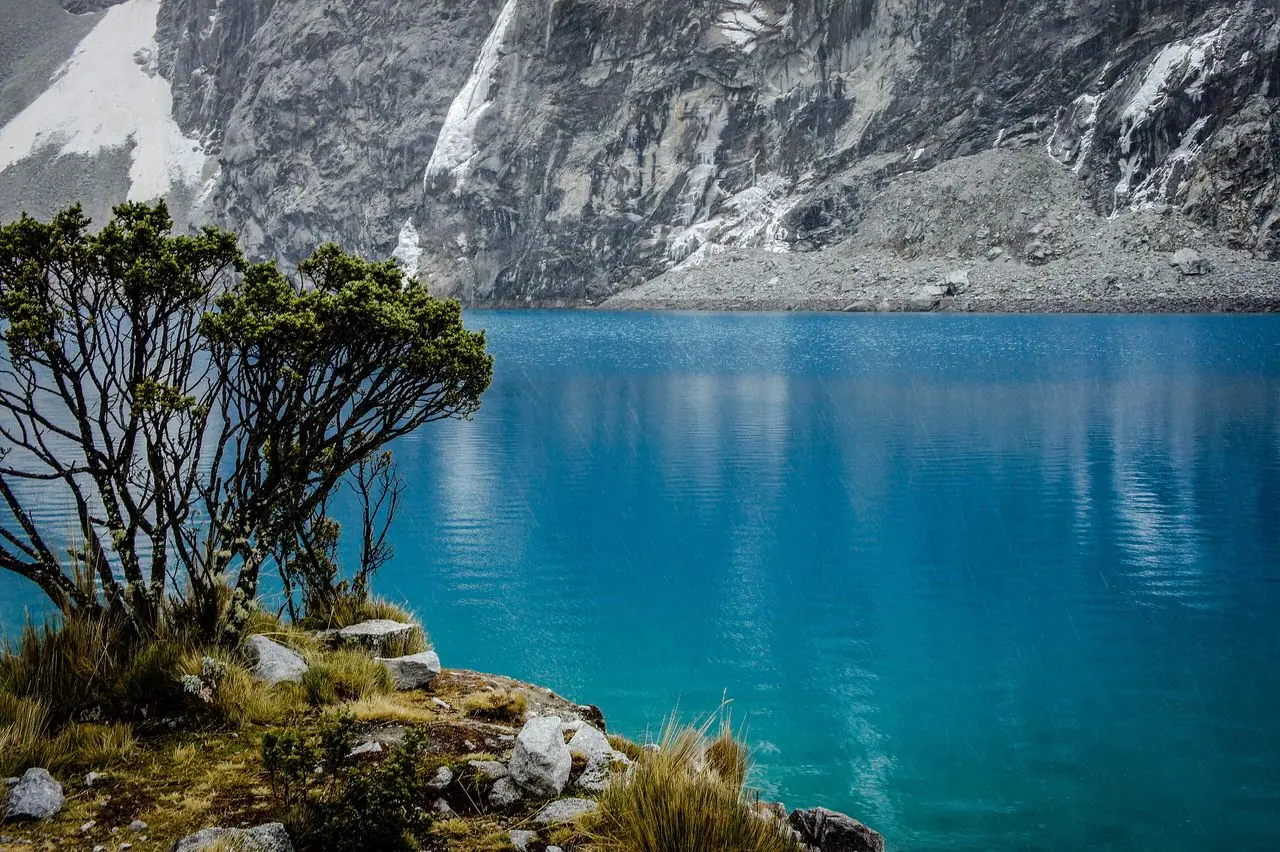
An important change: since 9 February 2026, access to Laguna 69 is only allowed with agencies authorised by SERNANP, which manage the digital tickets on the official platform. In addition, swimming in the lake is prohibited and can bring penalties. Before you plan, read our Laguna 69 guide, where we explain how to book and how to prepare.
5. Huascarán National Park
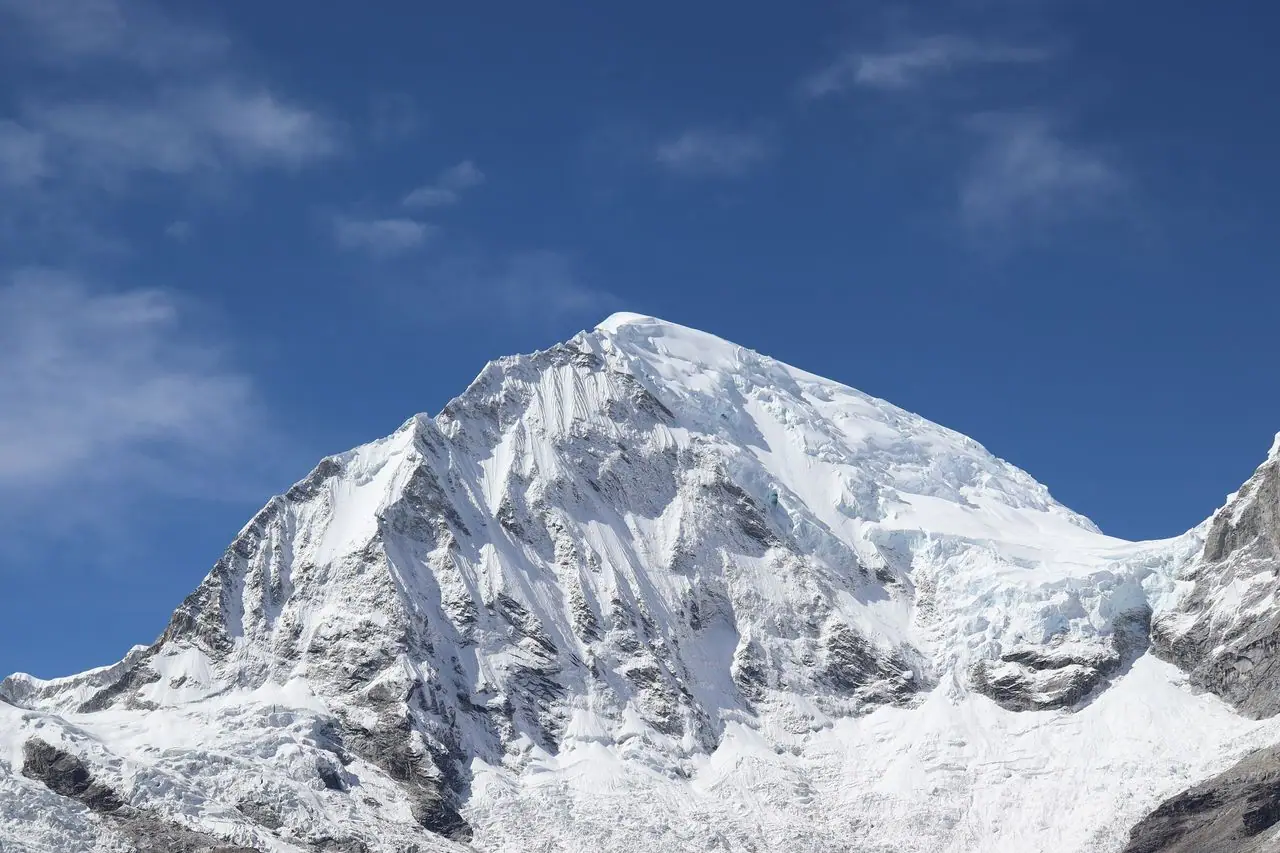
Declared a UNESCO Natural World Heritage Site and part of a biosphere reserve, it protects a good part of the Cordillera Blanca, with glaciers, lakes, valleys and the highest summit in Peru: Huascarán Sur, at 6,768 metres. Visiting it can be as simple as entering through Llanganuco or as ambitious as planning a multi-day trek. There is a complete guide in Huascarán National Park: tickets, circuits and rules.
6. Trekking in the Cordillera Blanca
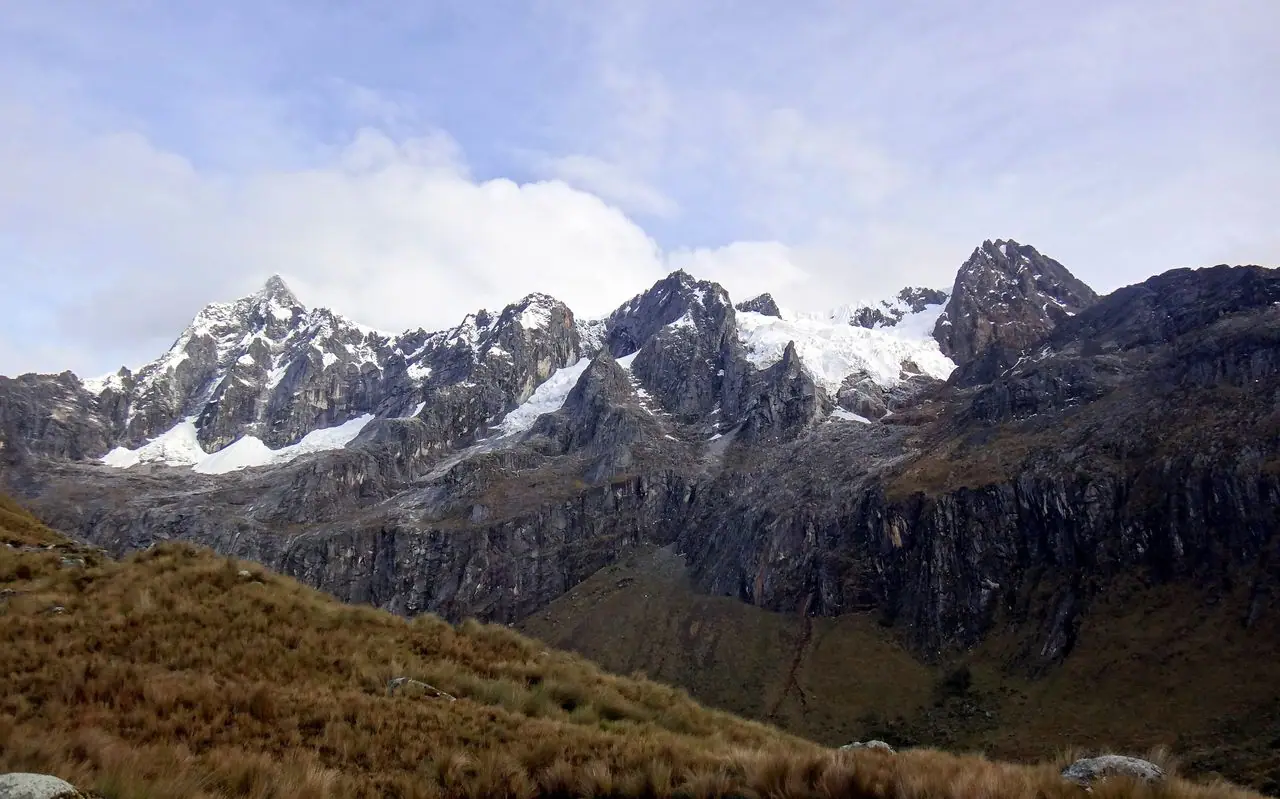
Yungay is a strategic point for the famous Santa Cruz trek, which crosses the Punta Unión pass (at about 4,750 m) between Vaquería, on the Llanganuco side, and Cashapampa. It is usually done in three or four days and requires good fitness and acclimatisation. If you do not have that many days, there are also short walks along the valleys and to viewpoints, which you can combine with a gentler experience in the garden.
7. Local food
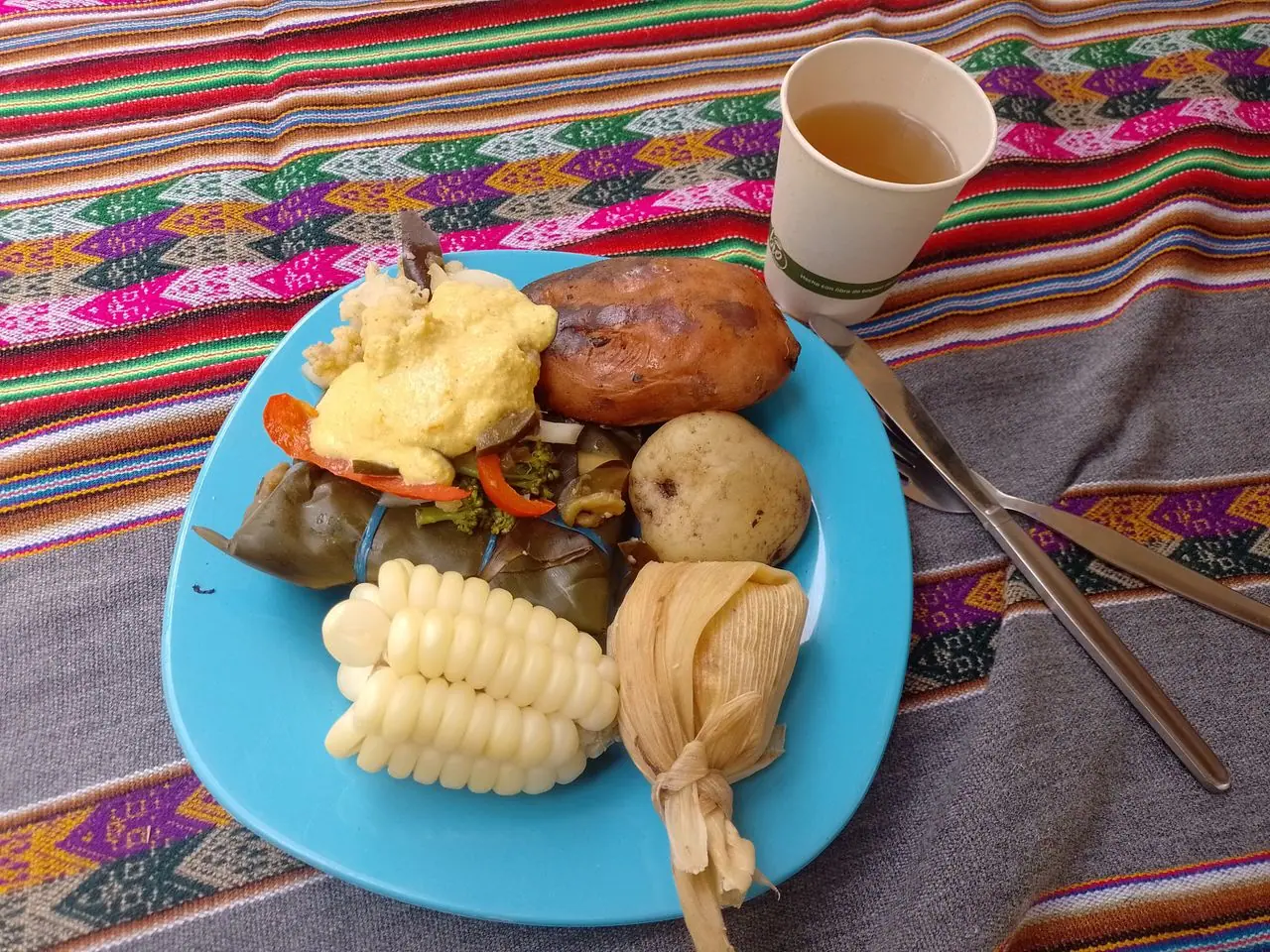
Tasting the dishes of the Áncash highlands is part of the journey: from spicy stews and broths to guinea pig and pachamanca, by way of tamales, humitas and home-made desserts. In Yungay and the neighbouring villages the food is usually generous, simple and made with local produce. We have put together a selection in Traditional food of Áncash and Yungay.
8. Experiences in a botanical garden
If you want to balance long hikes with something more relaxed, at Comtury Lodge we offer yoga, meditation, harvest and cooking experiences, by reservation and open to the public. You do not need to be a guest to take part. It is a different way of getting to know Yungay: with your hands in the soil, among flowers and fruit trees, with the mountain in the background.
What to do in Yungay depending on how much time you have
If you have one day
Have a quiet morning and a meaningful afternoon. Walk to the square and have breakfast nearby, spend the afternoon at the Campo Santo and return before nightfall to rest. If you still have energy, sunset from a garden with a view of the mountain range is a perfect way to close the day. This gives you a first contact with the history and the landscape without pushing your body at altitude.
If you have two days
Add a mountain day. Set out early for the Llanganuco lakes, come back in the mid-afternoon and end the day with a warm dinner. Keep the first day gentle (square and Campo Santo), because the lakes are more than a thousand metres above Yungay and it is best to arrive with some acclimatisation already behind you.
If you have three or four days
This is the ideal length. One possible outline: day one, the square and the Campo Santo; day two, Llanganuco; day three, an experience in the garden (harvest or cooking) and rest; day four, a longer hike or a day trip to other towns in the Callejón. If you would like something ready-made, see our 3-day itinerary in Yungay.
If you have five days or more
You can add the Santa Cruz trek, Laguna 69 with an authorised agency, the city of Huaraz and excursions to towns such as Carhuaz or Caraz. Keep a rest day between demanding outings: your body will thank you and the views are enjoyed more.
What to do in Yungay if it rains or the weather is poor
The rainy season runs, roughly, from October to April, and afternoons often cloud over even in the transition months. That does not mean there is nothing to do; only the kind of plan changes.
- Cultural visit: the Campo Santo and the square can be enjoyed even under clouds, and the soft light is good for photographs.
- Food: a morning at the market and a long lunch of broth or a spicy stew make a perfect plan for a cold day.
- Indoor experiences: Andean cooking, where you learn to prepare dishes from the highlands, is ideal when it rains.
- Rest: books, board games and a bonfire in a cosy lodge. At Comtury Lodge we have a games room with a pool table, table football and table tennis, as well as a dining room and a kitchen for guests to use freely.
- Clear early mornings: many mornings dawn clean even if the afternoon clouds over. Plan outdoor excursions for first thing.
Tips for your visit to Yungay
Acclimatise before going up
Yungay is at about 2,450 m, quite a bit higher than the coast. The Llanganuco lakes are above 3,800 m and Laguna 69 is around 4,600 m. The ideal is to spend at least one night in Yungay, drink plenty of water and avoid alcohol for the first 24 hours. Read our guide to altitude sickness in Yungay and Huaraz for more details.
Choose the right season
The dry season, from May to September, offers the clearest skies for seeing Huascarán and hiking, but it is also the time of year with the most visitors. May and September are usually a good balance. All the detail is in best time to visit Yungay and Huaraz.
Bring what you need
Warm layers, sunscreen, a hat, water and comfortable shoes. Cash in soles for markets, tickets and local transport. A complete list is in what to pack for Yungay and the Cordillera Blanca.
Check requirements before you go
The rules of Huascarán National Park, opening hours and fees change. In 2026 access to Laguna 69 and to the Pisco snow-capped peak was regulated, and there were temporary closures because of a rescue on Huascarán. Before each excursion, confirm with an official SERNANP source or with an authorised agency.
Respect the environment
Take your rubbish back with you, stay on the paths, do not swim in the lakes and respect the memorial areas. The landscape is fragile and it is also the home of the local communities.
How to get to Yungay
From Lima, the overland journey takes around eight hours to Yungay on the direct routes that exist, or a little longer if you go through Huaraz. You can also fly from Lima to Huaraz (Anta airport) and continue by road for about an hour. The details, with options and advice, are in how to get to Yungay from Lima and Huaraz.
Where to stay in Yungay
There are simple guesthouses, hotels and lodge- or bungalow-style stays. What matters is choosing according to your group, your budget and the atmosphere you are looking for. At Comtury Lodge we offer complete, independent bungalows for 2 to more than 16 people, with a private bathroom, a balcony with a view of the Cordillera Blanca, a kitchen for free use, private parking, botanical gardens, a hammock area and a pet-friendly policy. You can work out which one suits you with the bungalow finder or write to us by WhatsApp or form.
Frequently asked questions about things to do in Yungay
How many days do I need to see Yungay?
With two or three days you can see the essentials: the square, the Campo Santo and the Llanganuco lakes, with time to acclimatise. If you want to add trekking, experiences or neighbouring villages, plan between four and six days.
Is it better to stay in Yungay or in Huaraz?
It depends on what you are looking for. Huaraz concentrates agencies, restaurants and nightlife; Yungay offers more calm and proximity to Llanganuco and the Campo Santo. Many travellers combine both: a few nights in each.
Can I visit Llanganuco without a tour?
Yes. The Chinancocha lake circuit can be visited on your own, by taxi or shared taxi, with a park ticket. For Laguna 69, on the other hand, going with an authorised agency has been compulsory since 2026.
What is there to do in Yungay with children?
Short plans work well: the square, the gardens, a visit to the Campo Santo explained with sensitivity, games at a lodge and experiences such as the harvest. Take care with the altitude and consult your paediatrician before travelling with very young children. More ideas in travelling to Yungay with family and pets.
What can I do in Yungay if I do not like walking much?
There is plenty to do without long hikes: the viewpoint at the Llanganuco lakes (reachable by road), the square, the Campo Santo, the food and the garden experiences.
What is the best time of day to visit Llanganuco?
In the morning, when the sky is usually clearer and the lakes show their colour at its best. Afternoons tend to cloud over, especially in the rainy season.
Are there wellness activities in Yungay?
Yes. At Comtury Lodge there are yoga and meditation sessions facing the mountain range, by reservation and open to the public. Read more in wellness retreats in the Andes.
Conclusion: a journey that combines memory, mountains and calm
The best thing about Yungay is the combination: a place that invites you to remember, a landscape that invites you to climb and a rhythm that invites you to stay. With two or three days you can take away the essentials; with five or six you can start to feel part of the valley. If you would like us to help you organise your plan, write to us with your dates and the number of people through the contact form or on WhatsApp at +51 943 529 322. We are at Jirón 2 de Mayo 1019, Yungay, eight minutes on foot from the Plaza de Armas, and it will be a pleasure to welcome you.
Cover photo: Inti Runa Viajero · CC BY 2.0 · Wikimedia Commons
Want to live it in person?
Request a stay