There is a way of travelling that is not about seeing but about doing: putting your hands in the soil, cutting a vegetable that will later be your lunch, learning to light a clay oven and sitting down to eat what you yourself helped to prepare. This way of travelling is usually called experiential travel or agritourism, and in the Peruvian Andes it has fertile ground: an ancient agriculture, a cuisine of enormous richness and a culture deeply tied to the land.
In this guide we tell you what experiential travel is, why it makes sense in Yungay and the Callejón de Huaylas, how a harvest experience and a cooking experience work in a botanical garden, which products are harvested depending on the season, what you should bring and how to book. We speak from the experience of Comtury Lodge, where we offer these activities by reservation and open to the public.
In short. Harvest: walk through the vegetable garden and the fruit trees and pick, depending on the season, vegetables, herbs and fruit · Cooking: prepare Andean dishes with ingredients from the garden, hearth and clay oven · Both take place by prior reservation and are open to the public: you do not need to be a guest.
What experiential travel is (and why it matters)
Experiential travel invites the traveller to take part in the everyday life of a place: growing, harvesting, cooking, weaving, talking with the people who live there. Unlike "look and photograph" tourism, it focuses on experience, learning and exchange.
Its benefits are several:
- For the traveller: a deeper experience, learning, lasting memories and a different bond with the place.
- For the community and the hosts: income that values their knowledge and their land, and a more respectful kind of tourism.
- For the environment: low-scale tourism, which relies on what already exists and values local agriculture.
- For the culture: the passing on of knowledge about crops, recipes and rituals.
Why it makes so much sense in the Andes of Áncash
The Andes are one of the cradles of agriculture in the world. Here the potato, Andean corn, quinoa, tarwi and many other crops were domesticated. Peru preserves thousands of varieties of native potato and an enormous diversity of corn, chillies and tubers. That richness, which can be seen in the markets and at the table, is better understood when you see it growing.
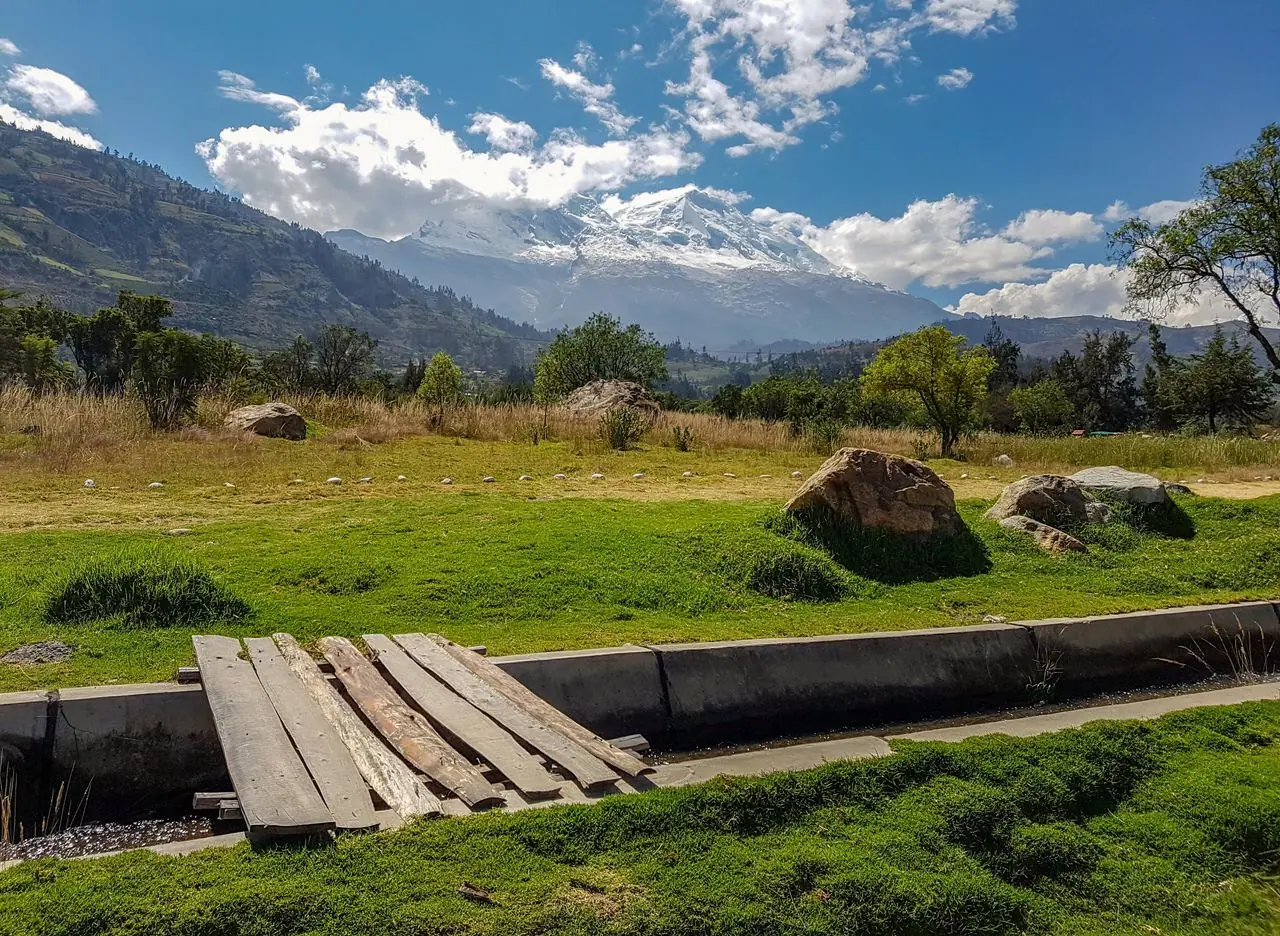
The Callejón de Huaylas, with its vegetable gardens, terraces and fertile valleys, between the Cordillera Blanca and the Cordillera Negra, is an ideal place for it. Yungay, moreover, has a particular bond with the land: it was, and still is, a place of farmers and vegetable gardens.
The harvest experience at Comtury Lodge
What it is
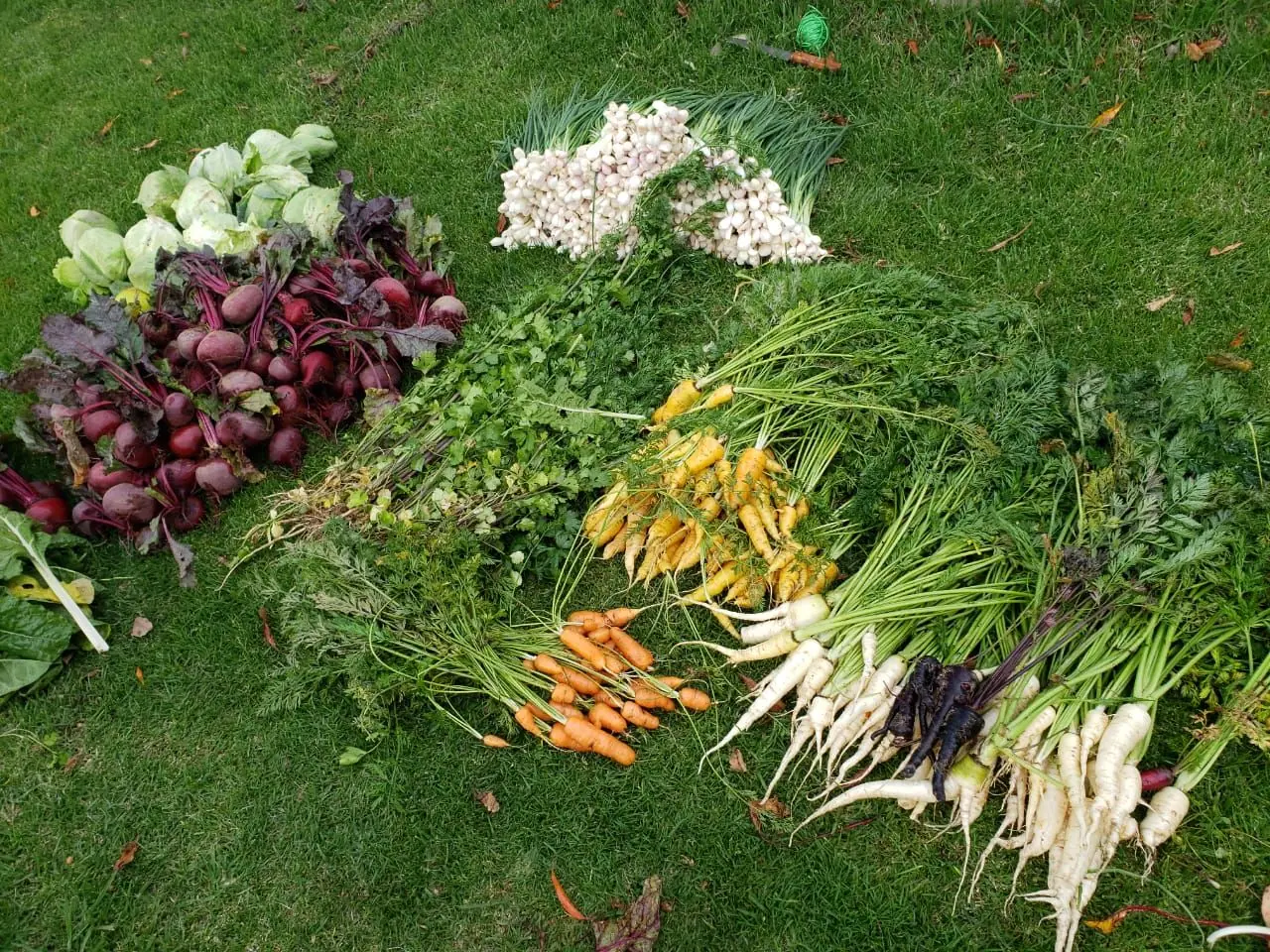
It is a walk through the lodge's vegetable garden and fruit trees in which you pick, depending on the season, vegetables, herbs and fruit. In our botanical garden ornamental plants, herbs, flowers, vegetables and fruit trees live together, so every visit is different according to the time of year.
What you can harvest
What is on offer depends on the season. Among the products that appear in the garden and in our vegetable plots are:
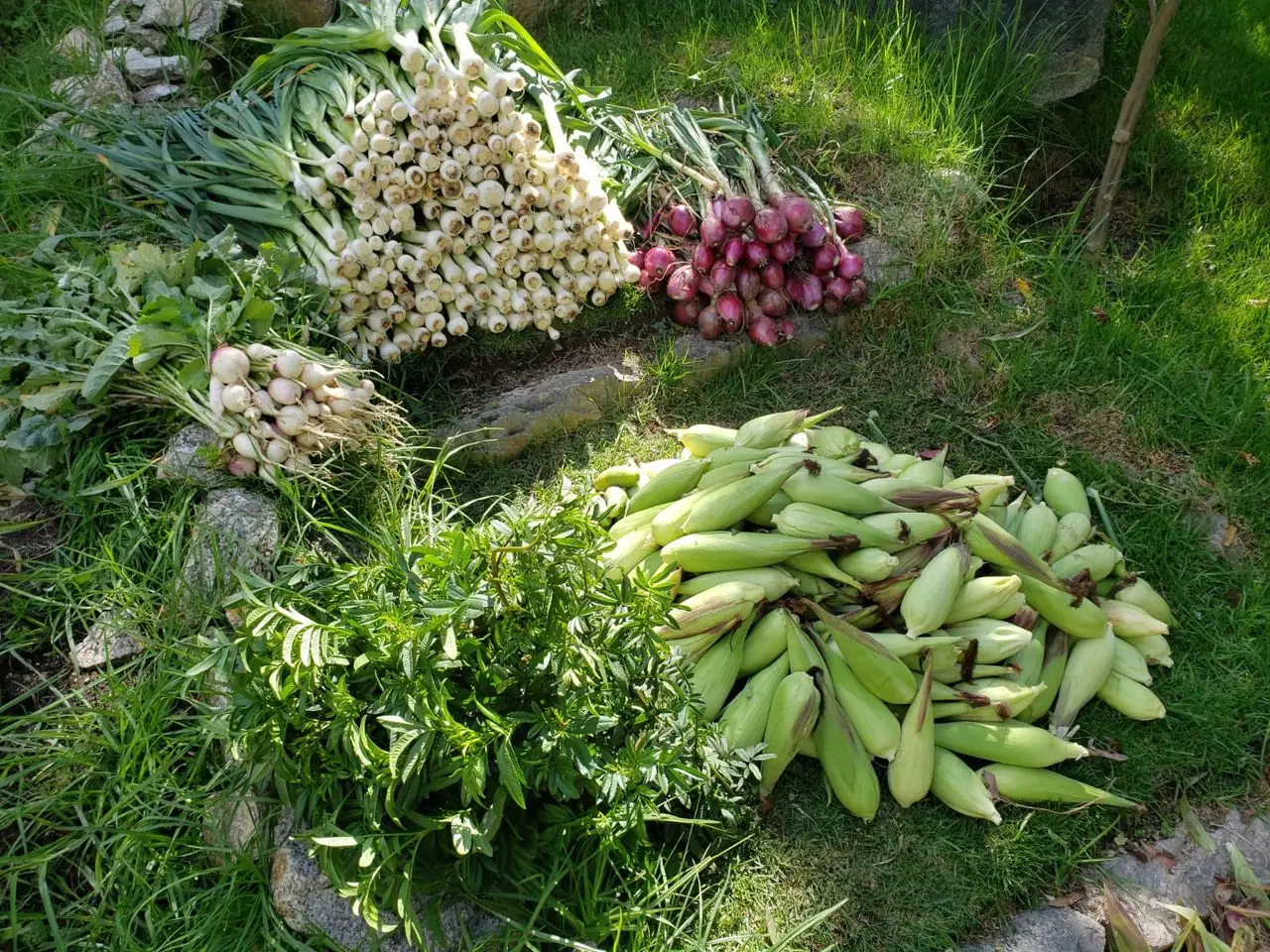
- Vegetables and roots: choclos, beetroot, carrots, radishes, onions and others in season.
- Aromatic herbs and edible flowers, depending on the time of year.
- Fruit: avocados, lemons and peaches, among others, when they are at their best.
What is harvested always depends on the time of year, and we cannot promise a specific product on a given date. That variation is part of the charm: each season tells something different.
What the experience is like
- Welcome and walk through the vegetable garden, with a brief explanation of the crops.
- Guided harvest: you learn to recognise when something is ripe, to cut with care and to respect the plant.
- Washing and sorting of what has been harvested.
- Arrival at the table: what is harvested can be built into a meal or a cooking experience.
It lasts as long as we agree when you book; we confirm the duration and times when we coordinate with you.
Who it is for
For curious travellers, families with children, groups of friends, couples, wellness retreats and anyone who enjoys cooking. It is a gentle activity, suitable for different paces, although it takes place on garden ground with slopes and requires comfortable footwear.
The cooking experience: Andean cuisine with ingredients from the garden
What it is
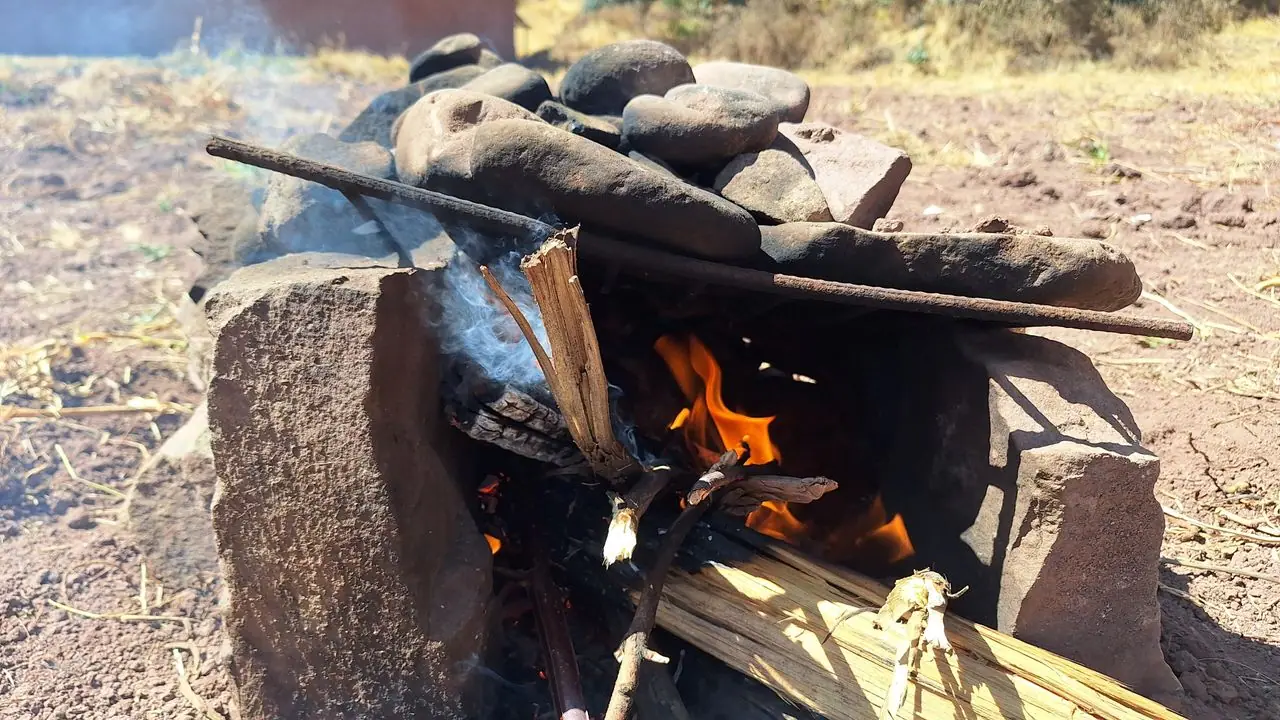
An experience in which we cook Andean dishes of the region, using ingredients from the garden, the hearth and the clay oven in the barbecue area. You learn, you taste and you share the table at the end.
What is cooked
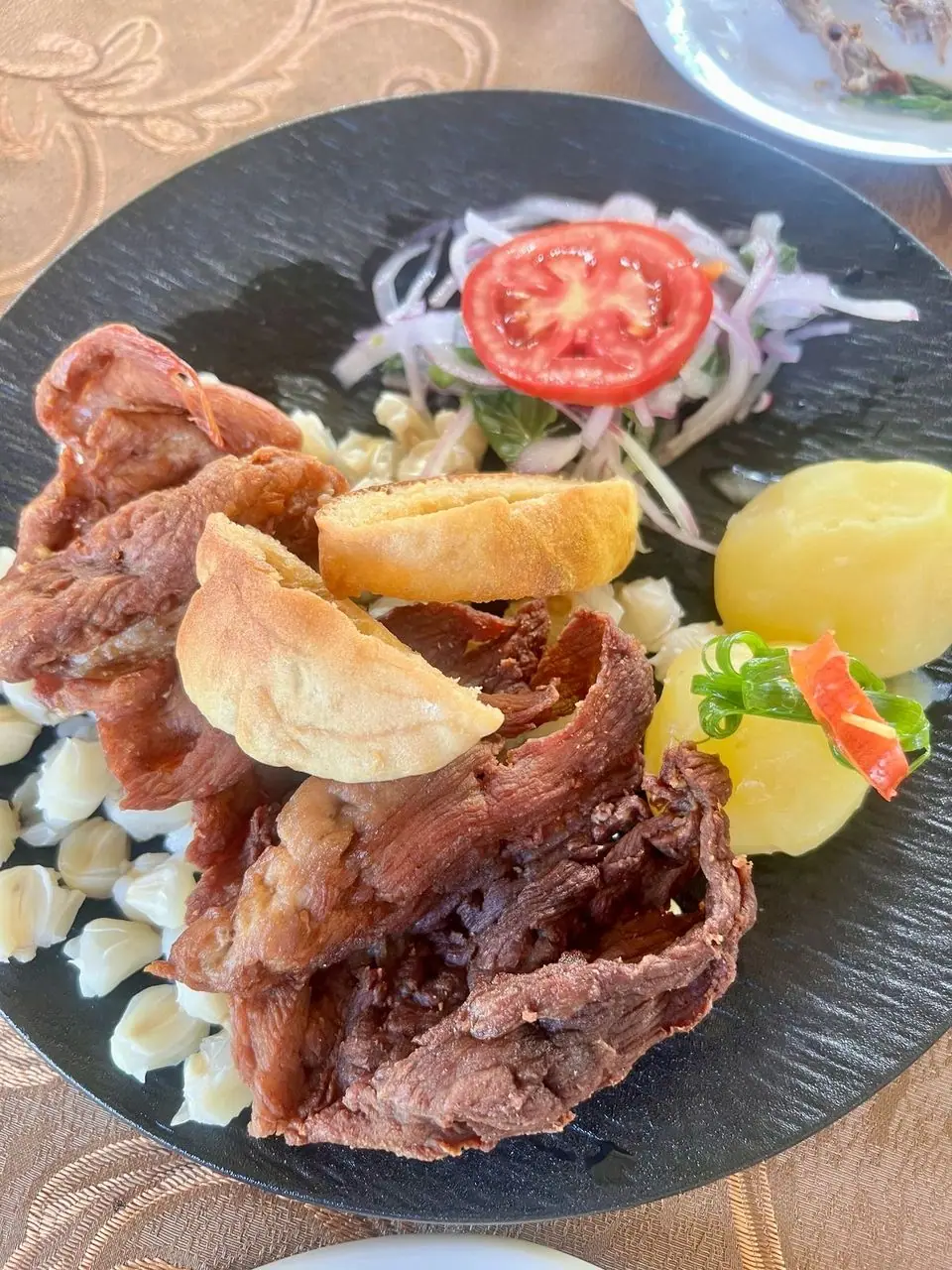
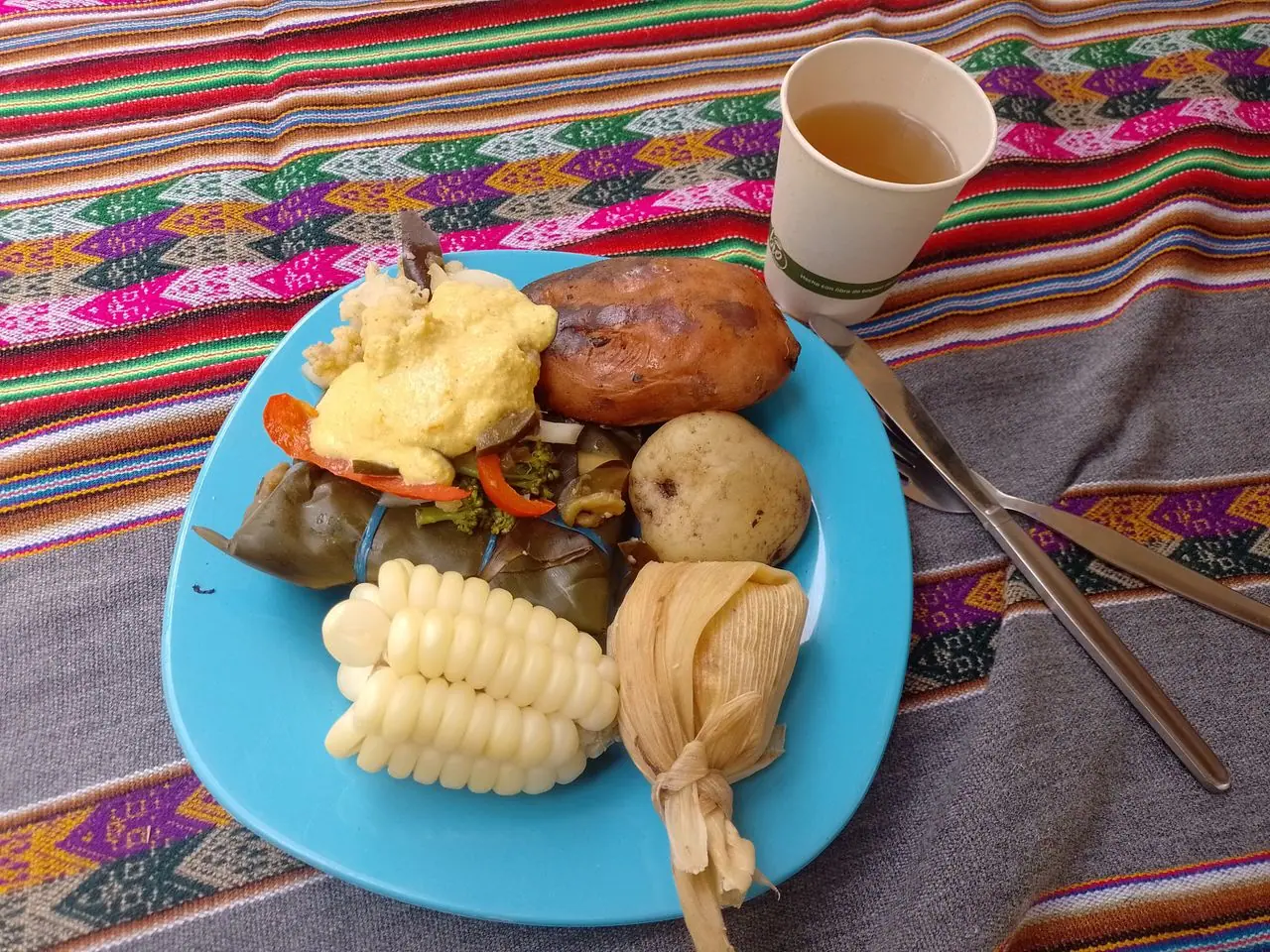
The menu depends on the season, on the group and on what has been harvested. We can work with techniques and dishes of the highlands, such as broths and soups, stews with potato and mote, preparations with choclo or roast vegetables. The details are agreed when you book. If you are interested in the traditional dishes of the region, read traditional food of Áncash and Yungay.
What the experience is like
- Presentation of the ingredients and of the techniques.
- Hands-on preparation: chopping, seasoning, kneading or lighting the hearth and the oven.
- Cooking and waiting: a moment to talk and rest.
- Shared table: you eat what was prepared.
Options for different groups
We can adapt the experience for families with children, for large groups, for travellers with dietary restrictions (with advance notice) or for events and celebrations. Write to us with your needs.
How to combine harvest and cooking in one day
A full day of experiences can look like this:
- Morning: walk through the vegetable garden and harvest of the season.
- Midday: Andean cooking with what was harvested, on the hearth and in the clay oven.
- Shared lunch in the dining room or in the barbecue area.
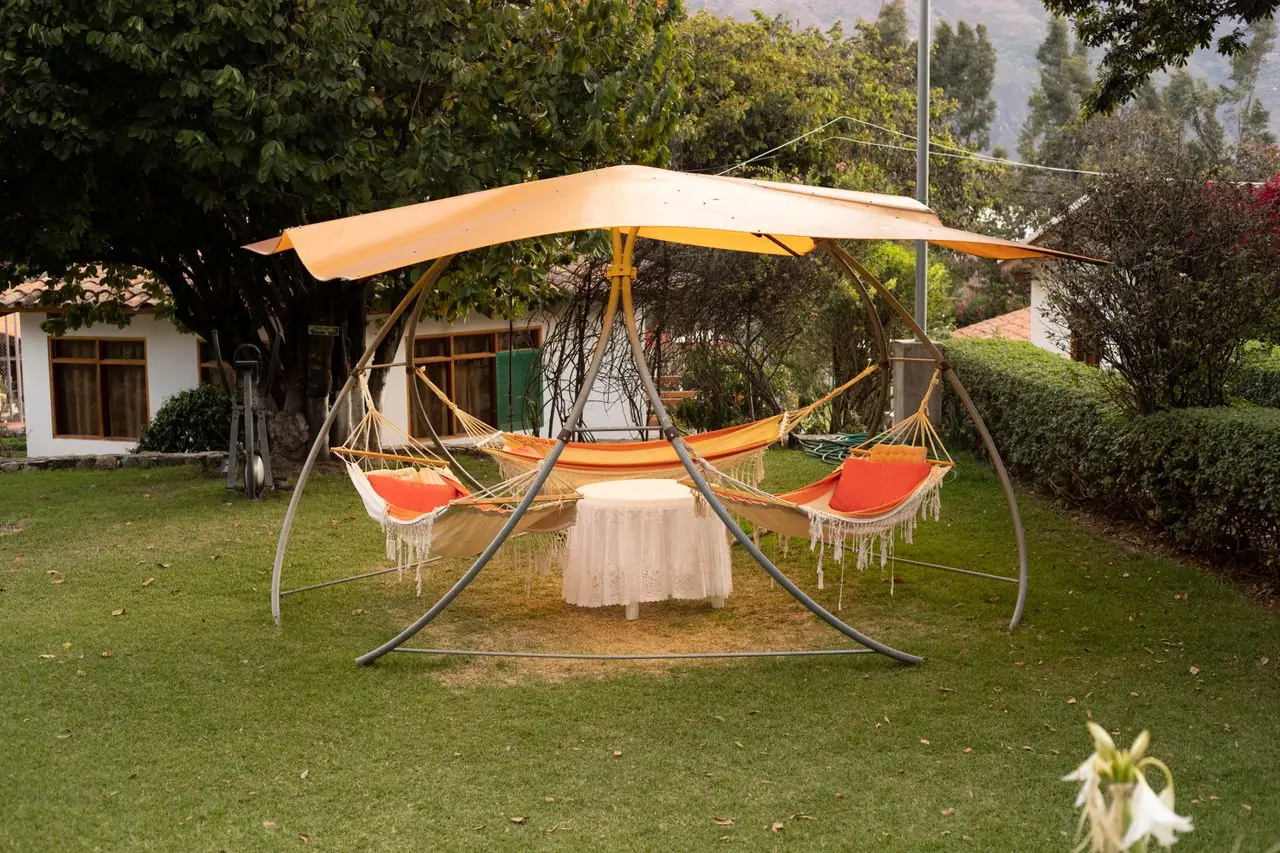
- Afternoon: rest in the hammocks and, if you wish, a yoga or meditation session.
You can also add the experience to a stay of several days. See the 3-day itinerary in Yungay to see how it fits.
What you should bring
- Comfortable clothes that can get dirty.
- Closed footwear with good grip.
- A hat and sunscreen.
- A jumper or jacket for the morning and the afternoon.
- A bottle of water.
- A desire to learn and to get your hands dirty.
How to book
The harvest and cooking experiences take place by prior reservation and are open to the public:
- Write to us through the form or on WhatsApp at +51 943 529 322.
- Tell us the date, the number of people, whether there are children, and your dietary preferences or restrictions.
- We confirm availability, duration, time and price.
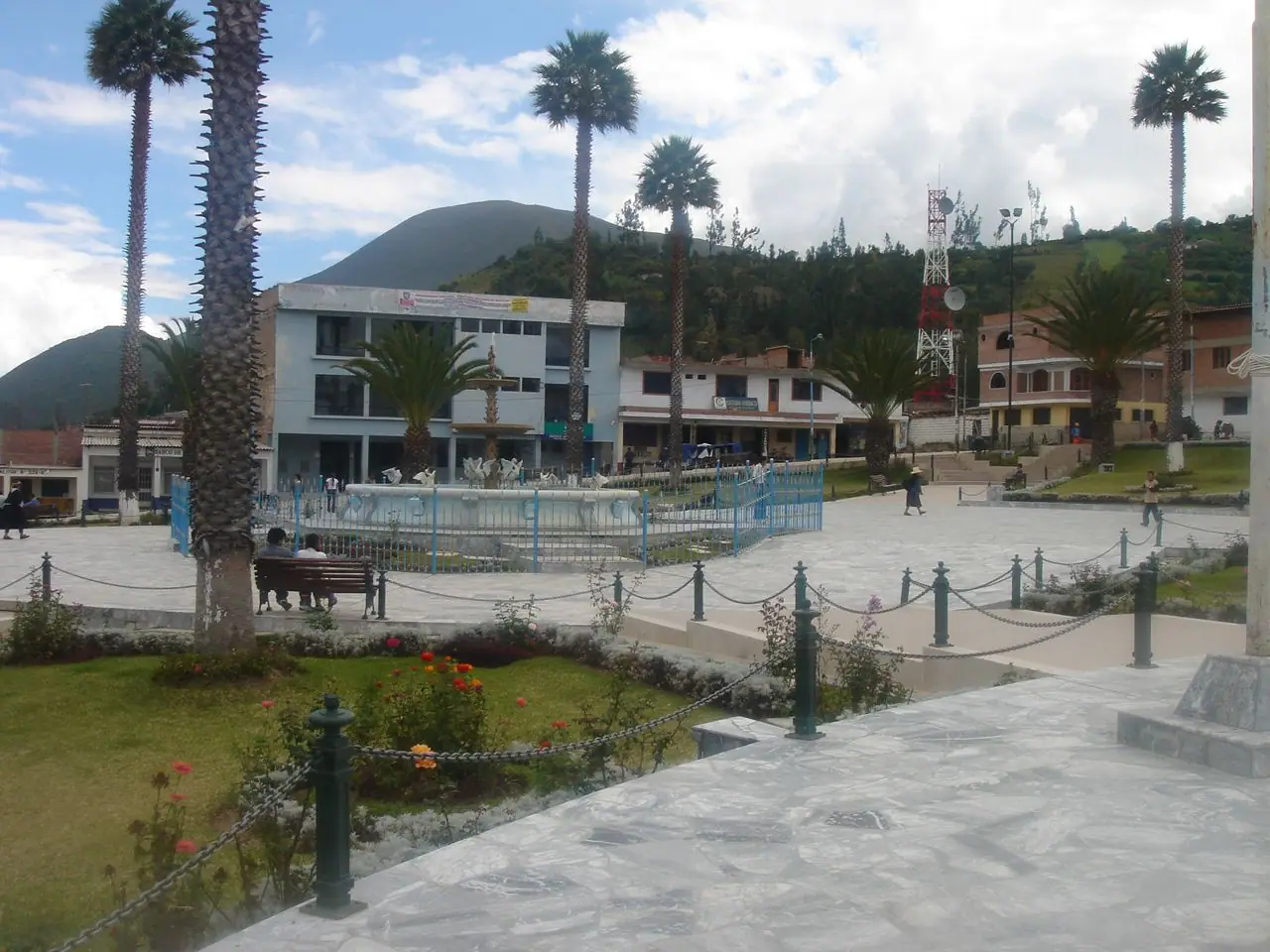
- We welcome you at Jirón 2 de Mayo 1019, Yungay, eight minutes on foot from the Plaza de Armas.
If you would like to stay with us, you can choose one of our whole bungalows; see the rates and the finder.
Good practices for responsible experiential travel
- Respect the time and the work of those who look after the vegetable garden.
- Do not pull up or take anything you have not been told to.
- Ask before photographing people.
- Value what is local: buy products and services from the area.
- Avoid waste. What is harvested is put to use.
- Look after the water and the soil. Follow the instructions.
A year in the vegetable garden: how it changes with the seasons
One of the advantages of experiential travel is that it is never the same. The garden changes with the rains, the heat, the frosts and the calendar of each crop:
- In the rainy season, the garden is greener, and herbs, flowers and leafy vegetables are usually plentiful. The harvest may involve more mud, but also more freshness.
- In the dry season, the sunny days and cold nights favour some roots and fruit, and the clear mornings allow work in the garden in better light.
- In the transition seasons, products of both seasons live side by side.
That is why we prefer to talk about "whatever is at its best" instead of promising specific products. If you want to see something in particular, such as a tender choclo or a ripe avocado, ask us about the time of year.
Learning Andean cooking: techniques and flavours
Cooking in the highlands is cooking with time and with fire. Some techniques we can show in the cooking experience:
- Hearth. A slow, aromatic cooking, with heat control and a lot of patience.
- Clay oven. An enveloping cooking that gives the dishes a different flavour and a unique texture.
- Preparing sauces. Chilli, huacatay, fresh cheese and herbs are the base of the sauces that go with everything.
- Whole use of ingredients. Using leaves, stalks and peels in broths and stews.
- Shared service. Dishes are served for sharing.
A simple recipe to take home: huacatay chilli sauce
A very Andean sauce that you can prepare in any kitchen. Blend a few huacatay leaves with ají amarillo (or rocoto, if you like it hotter), a clove of garlic, fresh cheese, a little oil, salt and a squeeze of lime, until you get a smooth cream. Adjust the heat and the salt to your taste, and serve it with boiled potatoes, choclo or meats. It is an example of how a simple recipe concentrates the flavour of the region.
Why experiential travel helps protect agrobiodiversity
Every time a traveller values a local crop, a native ingredient or a piece of knowledge passed down, its continuity is strengthened. Interest in native potatoes, corn, tarwi or Andean herbs helps families keep growing them. In addition, experiential travel promotes direct purchases, reduces intermediaries and encourages small-scale production. It is a way for the trip to leave something good behind.
How to prepare children for a harvest experience
Children usually enjoy these activities a great deal. To get the most out of them:
- Tell them what they are going to do and why it matters to look after the plants.
- Bring clothes that can get dirty and closed footwear.
- Give them small responsibilities, such as choosing a vegetable, washing it or carrying the basket.
- Respect their pace. If they get tired, take a break.
- Turn what was harvested into food. Seeing it arrive on the plate reinforces the experience.
More ideas in travelling to Yungay with family and pets.
How it differs from a traditional guided visit
A guided visit usually consists of walking, listening and photographing. An experiential activity reverses the roles: you take part. The difference is felt in the body (soil on your hands, the smell of smoke, the heat of the oven), in memory (you remember what you did, not just what you saw) and in the bond with those who welcome you. In addition, the pace is slower and adaptable: it adjusts to the group, the weather and the season.
Hygiene and safety in the garden and the kitchen
- Wash your hands before harvesting and cooking.
- Follow the instructions about what to pick and how to cut.
- Wear closed footwear and take care with slopes, stones and tools.
- Look after young children near fire, tools or water.
- Tell us about allergies or dietary restrictions before cooking.
- Respect the fire areas and the safety instructions for the oven and the hearth.
- Do not eat anything that has not been shown to you as safe to eat.
An example of a full morning
- 9:30: welcome with an infusion and introduction to the day.
- 10:00: walk through the vegetable garden and explanation of the season's crops.
- 10:30: guided harvest of vegetables, herbs and, if it is the season, fruit.
- 11:30: washing, sorting and moving to the kitchen.
- 12:00: preparation of the dishes on the hearth and in the clay oven.
- 13:30: shared lunch with what has been cooked.
- 15:00: rest in the hammocks, coffee or herbal tea and conversation.
The times are only an example: we adjust them according to the group and the season.
Frequently asked questions about the harvest and cooking experiences
Do I need to stay at Comtury Lodge to take part?
No. The experiences are open to the public with prior reservation.
What is harvested?
It depends on the season: vegetables, herbs and fruit from the garden, such as choclos, beetroot, carrots, radishes, avocados or lemons, among others.
How long does it last?
The duration is agreed when you book. Ask about the options available.
How much does it cost?
The price depends on the type of experience and the number of people. We confirm it when we quote.
Can I go with children?
Yes, these are activities many children enjoy. Let us know so that we can adapt the pace.
Are there options for vegetarians or people with dietary restrictions?
We can adapt the menu with advance notice.
Can it be done as a group or at a celebration?
Yes. Write to us with the number of people and the type of occasion.
What if it rains?
The cooking can be done indoors. The harvest depends on the weather; we will arrange alternatives.
Can it be combined with yoga or meditation?
Yes, as part of a day of wellbeing. See wellness retreats in the Andes.
Conclusion
Experiential travel reminds us that places are not only seen: they are touched, smelt, cooked and shared. Picking a choclo, feeling the heat of a clay oven or sitting down at a table with what you have helped prepare is a way of travelling that is slower, closer and more memorable. If you would like to experience it in Yungay, write to us through the form or on WhatsApp at +51 943 529 322 and we will reserve a date for you.
Want to live it in person?
Request a stay