The question of when to go to Yungay and Huaraz has one short answer and several long ones. The short one: the dry season, from May to September, is the best for seeing the mountains and trekking. The long ones depend on what you are looking for: green landscapes, fewer people, better prices, glacier photography, local festivals or simply a quiet getaway. In this guide we go through what the weather is like month by month in the Callejón de Huaylas, what advantages and disadvantages each season has and how to choose according to your plans.
Summary. Dry season: May to September, sunny days and cold nights · rainy season: October to April, cloudy afternoons and green landscapes · busiest months: July and August · good balance: May and September · for photography of the snow-capped peaks and trekking: June to August. The data are indicative and vary every year; check SENAMHI for official forecasts.
What the weather is like in the Callejón de Huaylas
The Callejón de Huaylas is an Andean valley between the Cordillera Blanca and the Cordillera Negra, at an altitude that runs from 2,400 metres in Yungay to nearly 3,050 in Huaraz. At those altitudes, the weather is marked by two clear seasons and by a strong contrast between day and night.
Weather in Yungay · now
Today: – · 2,450 m a.s.l.
- Sunny days, cold nights. In the dry season, the sun shines almost all day, with maximum temperatures that can approach 25 or 29 °C, and nights drop to a few degrees, sometimes close to 5 °C or less in high areas.
- High solar radiation. At these altitudes, the sun burns even under a cloudy sky: sunscreen is indispensable.
- Seasonal rains. From October to April rainfall increases, especially in the afternoons. October is a transition month.
- Weather in the mountains. The higher you go, the colder and more changeable the weather, with hail, snow or wind even in the dry season.
Dry season: from May to September
It is known as the "Andean summer" and is the time of greatest visitor numbers.
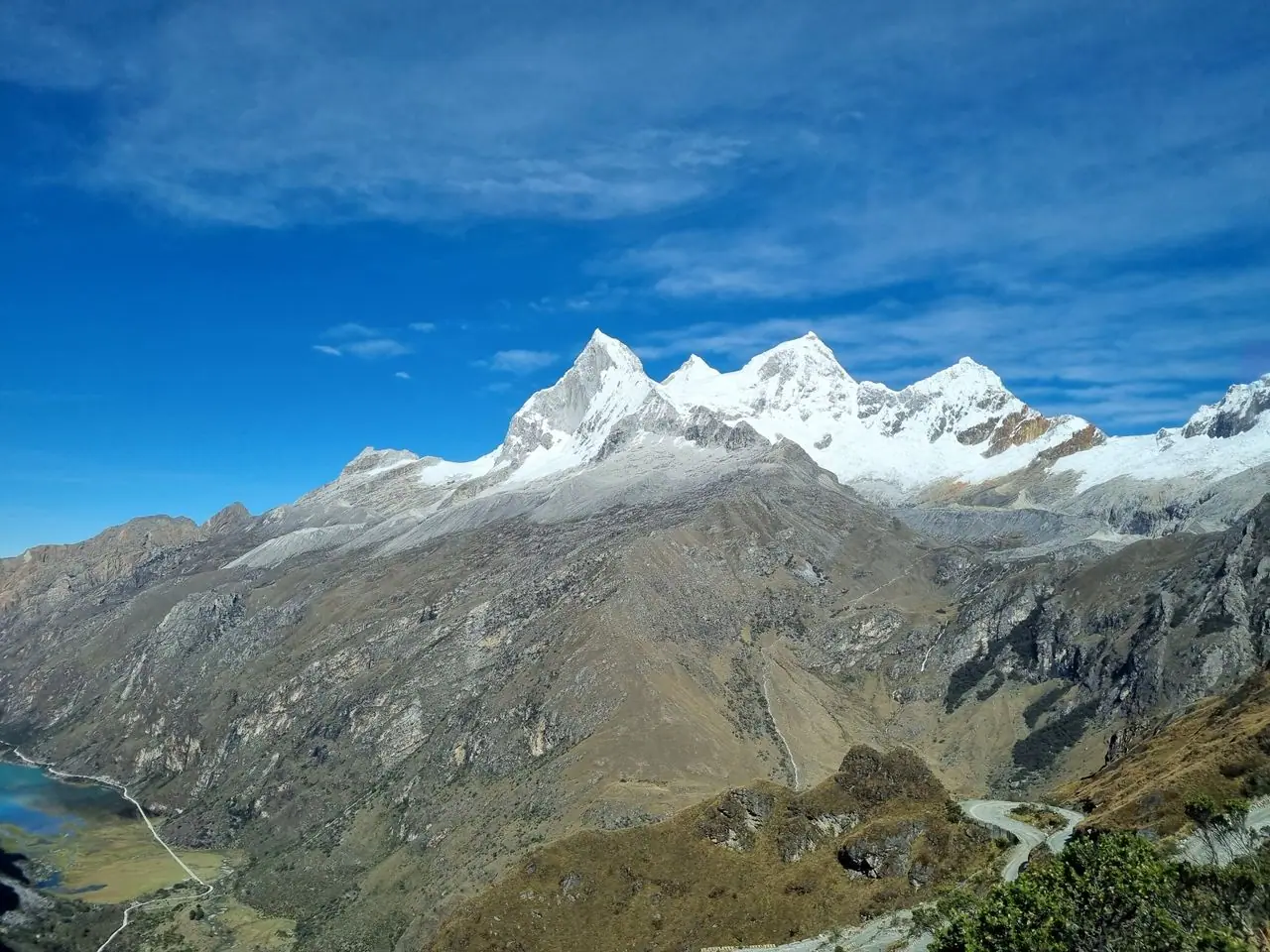
Advantages:
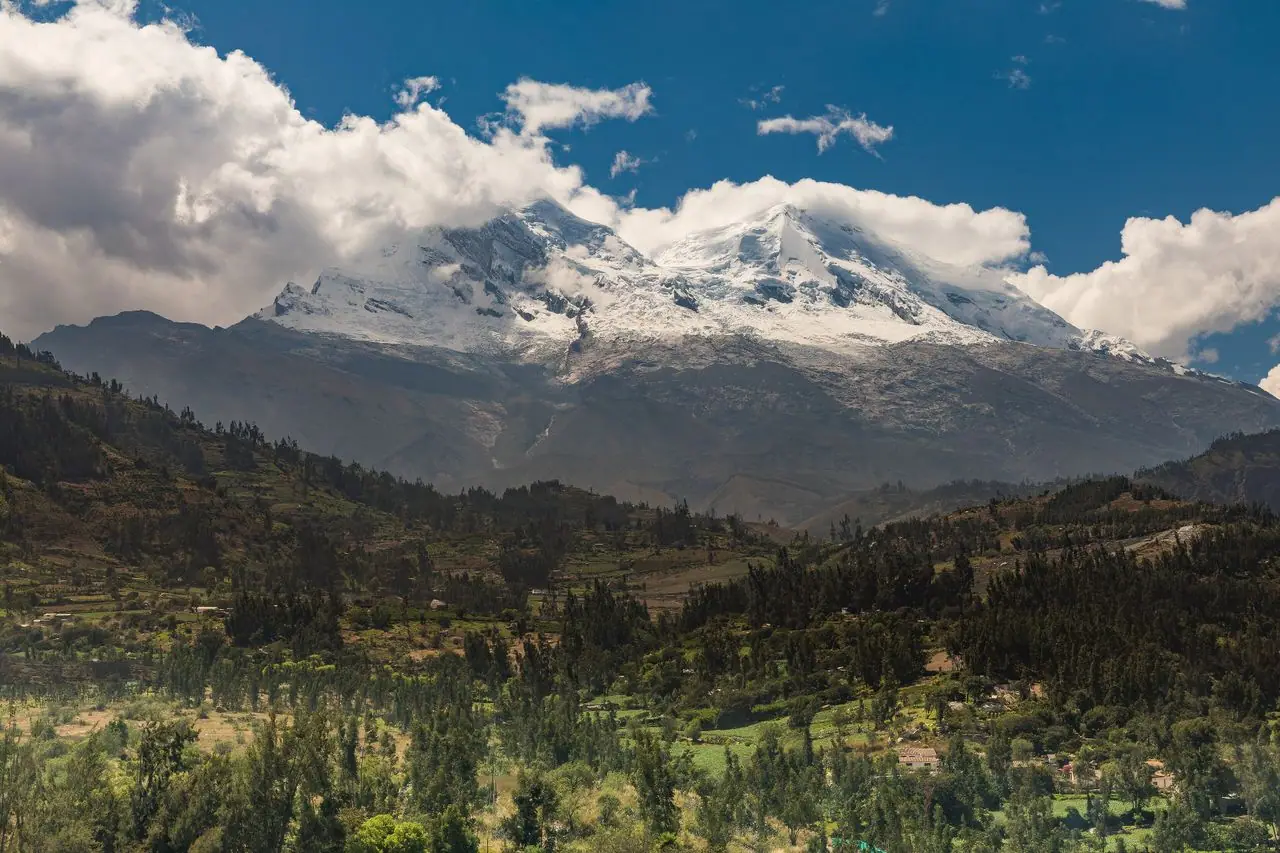
- Clearer skies and better visibility of Huascarán and other snow-capped peaks.
- Drier and safer paths, better conditions for trekking and mountaineering.
- More stable roads to Llanganuco and other sectors.
- A wider range of agencies, tours and services.
Disadvantages:
- More visitors, especially in July and August.
- Higher prices and demand; it is best to book in advance.
- Cold nights, with temperatures that can fall to a few degrees.
- A drier, less green landscape.
May and June
May is usually a balanced month: clean skies, fewer people than in the depths of the Andean winter and a landscape that is still green. June is considered, by some sources, one of the quietest months with good weather, although nights are already cold.
July and August
These are the driest and most stable months, ideal for high-altitude trekking, but also the busiest, with national holidays and school vacations. If you travel on these dates, book accommodation, transport and excursions several weeks in advance.
September
It is usually a good month: still generally dry, with fewer crowds. Towards the end of the month the first rains can appear, although it varies every year.
Rainy season: from October to April
Advantages:
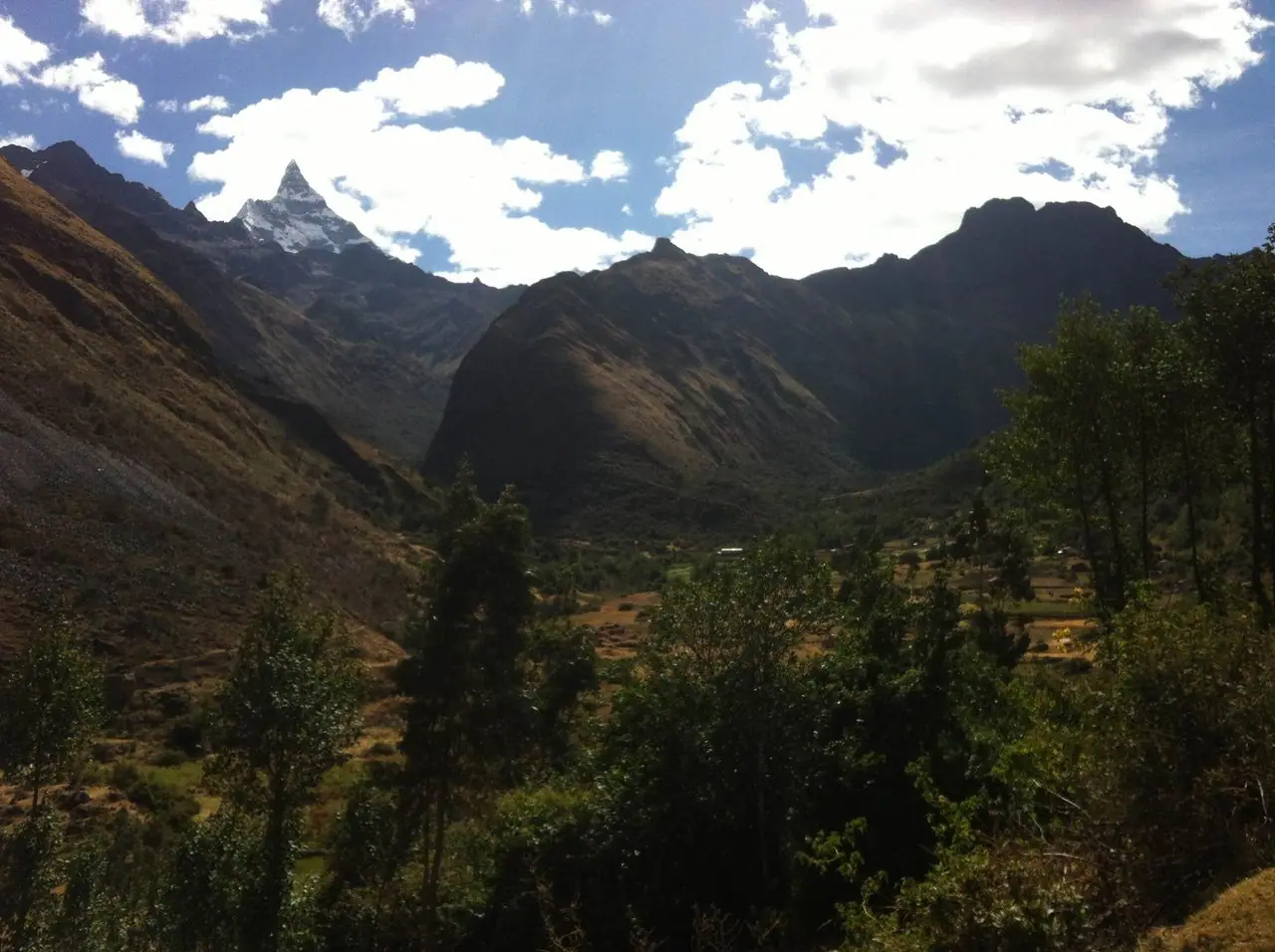
- Greener landscapes, with fields in bloom and more abundant waterfalls.
- Fewer visitors and better conditions on price and availability.
- A calmer atmosphere in towns and at attractions.
- Good clear mornings on many days, even if the afternoons cloud over.
Disadvantages:
- Rain, especially in the afternoon, and heavier cloud that reduces visibility of the snow-capped peaks.
- Possible landslides or diversions on mountain roads.
- Muddier, more slippery paths.
- Greater risk for multi-day treks.
October and November
These are transition months. Many days dawn clear and cloud over in the afternoon; the first rains can arrive at the end of October.
December to March
This is the heart of the rainy season, with a higher frequency of rainfall and cloud. It works well for those looking for tranquillity, green landscapes and plans indoors or in the valley, rather than for big treks.
April
It is a transition month towards the dry season, with rain easing off and landscapes still very green. Some guides recommend April, May, September and October for hiking, for the balance between weather and crowds.
Month-by-month weather (indicative summary)
| Month | General weather | Ideal for |
|---|---|---|
| January | Rainy, frequent cloud | Green landscape, tranquillity |
| February | Rainy, the wettest | Plans in the valley, food |
| March | Rainy, starting to ease | Green landscape |
| April | Transition, improving | Short walks, fewer people |
| May | Dry, clear skies | Trekking, photography, balance |
| June | Dry and stable | High-altitude trekking, relative tranquillity |
| July | Very dry, colder at night | Trekking, mountaineering; more people |
| August | Dry, windy | Trekking; more people |
| September | Dry, first rains at the end | Trekking with fewer crowds |
| October | Transition, cloudy afternoons | Flexible plan, fewer people |
| November | Transition to rains | Valley, rest |
| December | Start of the rains | Green landscape, tranquillity |
These ranges are indicative: the weather changes from one year to another. The most reliable thing is to check the official SENAMHI forecast a few days before your trip.
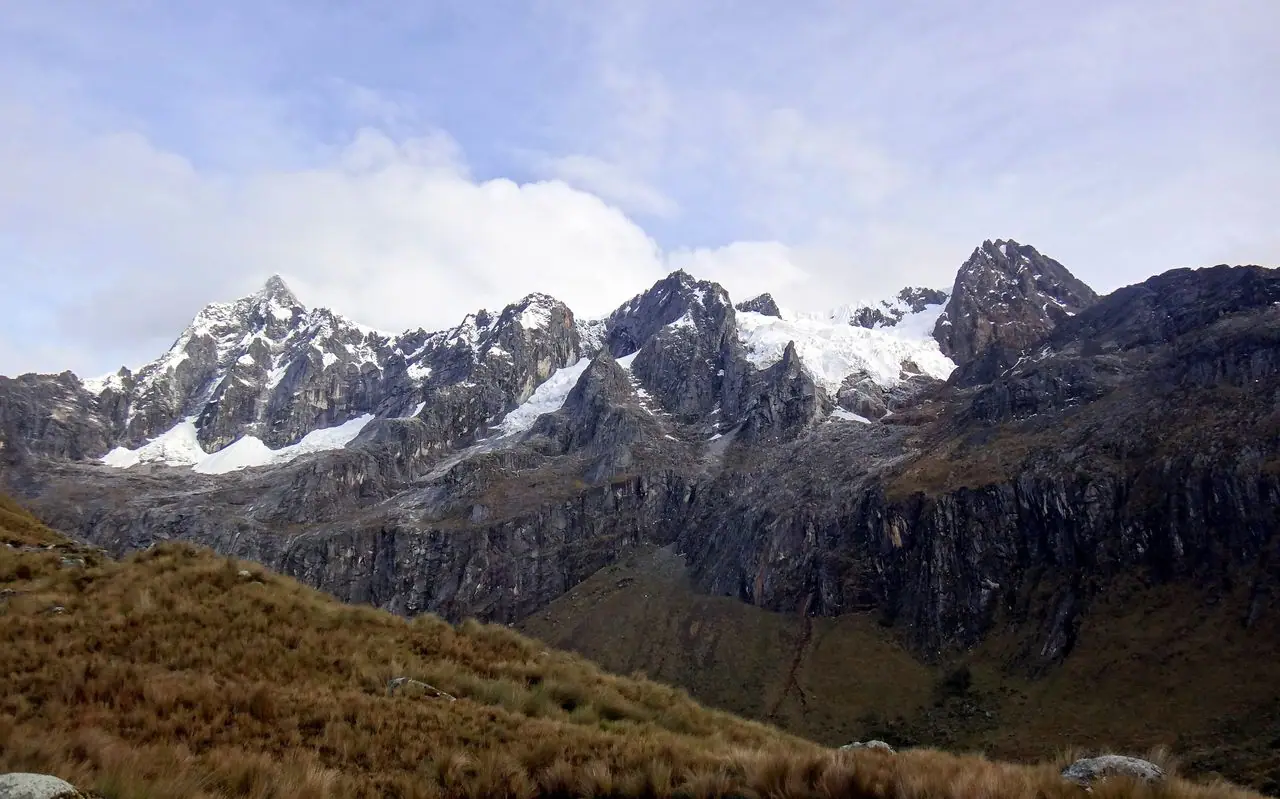
When to go according to what you are looking for
Trekking and mountaineering
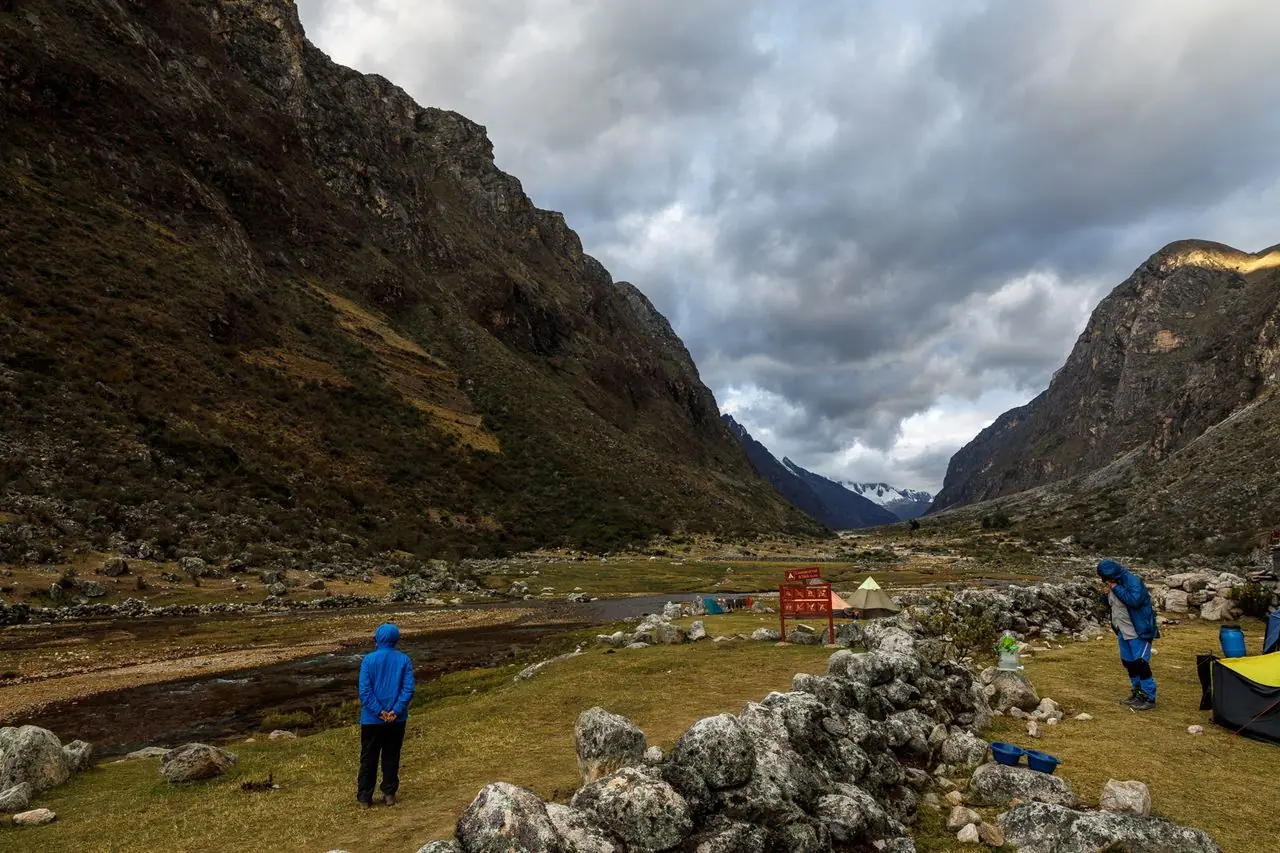
From May to September, with a focus on June to August. For the Santa Cruz trek, most references place the best time between May and September.
Laguna 69 and Llanganuco
The morning of a dry-season day offers the best colour of the lakes and the clearest views. See our guides to Llanganuco and Laguna 69, and remember that the latter now requires an authorised agency.
Photography
The clear mornings from June to August are excellent for photographing glaciers and summits. Transition days, with dynamic clouds and soft light, also offer very attractive images.
Families and rest
From May to September, with cold nights but sunny days. If you want fewer people, May and September are a good option. Read travelling to Yungay with family and pets.
Fewer crowds and better prices
From October to April, accepting some rain, or in May and September for a balance.
Wellness retreats
Any time of year can be suitable, although the dry season favours outdoor activities such as yoga and meditation. See wellness retreats in the Andes.
Festivals and dates that can affect your trip
Three moments in the calendar concentrate demand in Peru and are worth keeping in mind: Holy Week, Fiestas Patrias (the end of July) and the year-end holidays. At those times, accommodation and transport fill up in advance and prices rise. There are also local festivals and tourist weeks in different towns of the Callejón de Huaylas; check the municipalities' calendars to find out whether they coincide with your trip.
How to adapt your luggage to the season
If you travel in the dry season: sunscreen, a hat, layered clothing and a good coat for the nights. In the rainy season: a waterproof jacket, footwear with good grip, quick-drying clothes and a rucksack cover. In both cases, sunglasses and water. The complete list is in what to pack for Yungay and the Cordillera Blanca.
What to do in Yungay according to the season
- Dry season: Llanganuco, trekking, the Campo Santo, outdoor experiences and bonfires.
- Rainy season: the Campo Santo and the square in the morning, food, cooking experiences and rest with indoor games.
See the guide things to do in Yungay for more ideas.
Where to stay according to the season
In the dry season it is wise to book several weeks in advance, especially for groups. In the rainy season it is easier to find availability and sometimes better conditions. At Comtury Lodge we have whole bungalows for 2 to more than 16 people, and you can work out your stay with the finder. If you prefer to compare options, see where to stay in Yungay: a complete guide.
How to read the forecast in the mountains
In the Cordillera Blanca, the weather can be very different between the valley and the heights, and can change quickly during the day. Some useful criteria:
- Look several days ahead and on the same day. Mountain forecasts are more accurate in the short term.
- Prioritise the mornings. At many times of year, the sky is clearer in the morning and clouds form towards midday or the afternoon.
- Check SENAMHI for official information and look out for rain or frost alerts.
- Ask local guides and operators. They know the patterns of the place.
- Have a plan B. A cloudy day can be perfect for the Campo Santo, the food or an experience in the garden.
How to organise a trip in the transition seasons (April and October)
The transition months have an advantage: fewer people and more flexibility. But they call for elastic plans.
- Get up early for what matters. Schedule outdoor excursions for the morning.
- Leave free time. Avoid booking too many things on the same day.
- Bring a waterproof jacket and a warm layer. Even if the morning dawns clear, afternoons can change.
- Combine mountains with plans in the valley. Alternate excursion days with days of rest, food and culture.
- Book with room to spare. Ask about the cancellation conditions in case of bad weather.
Example itinerary according to the season
If you travel in the dry season (May to September): day one, arrival and a gentle walk around Yungay; day two, the Campo Santo and the square; day three, the Llanganuco lakes in the morning; day four, rest or an experience in the garden; day five, Laguna 69 with an authorised agency if you are acclimatised.
If you travel in the rainy season (October to April): day one, arrival and rest; day two, the square and the Campo Santo in the morning, a long lunch of traditional food; day three, an Andean cooking or harvest experience depending on the time of year; day four, a short visit to Llanganuco if the day dawns clear; day five, flexibility depending on the weather. More plans in the 3-day itinerary in Yungay.
Prices and availability according to the season
In general, demand and prices rise in the dry season, especially in July, August and long holidays, and fall somewhat in the rainy season. This applies to accommodation, transport and tours. If you travel with a large group, it is best to book in advance at any time of year, because the larger-capacity units are limited. To plan your accommodation budget, see the reference rate table and the finder by guests and nights.
Photography tips by time of day and season
- Sunrises and mornings: soft light and clear skies; ideal for summits and lakes.
- Midday: harsh light; better for details and scenes with shade.
- Sunset: warm colours in the valley and the gardens; excellent for portraits and nearby landscape.
- Rainy season: dramatic clouds, waterfalls and intense vegetation, although with less visibility of the summits.
- Look after your equipment: cold reduces battery life and damp affects lenses and cameras.
Frequently asked questions about the best time to travel
What is the best month to visit Huaraz and Yungay?
To see the mountains and trek, from May to September, with June to August as the most stable months. May and September balance good weather with fewer people.
Does it rain a lot in Yungay?
From October to April rain is frequent, especially in the afternoons. In the dry season it rains little.
How cold is it in Yungay?
Days are pleasant and sunny in the dry season; nights can be cold, with temperatures dropping to a few degrees. At altitude, the cold is greater.
Can I travel in the rainy season?
Yes, with flexible plans, waterproof clothing and realistic expectations. Many days dawn clear and the landscape is very green.
When are there more people?
July and August, as well as long holidays such as Holy Week and Fiestas Patrias.
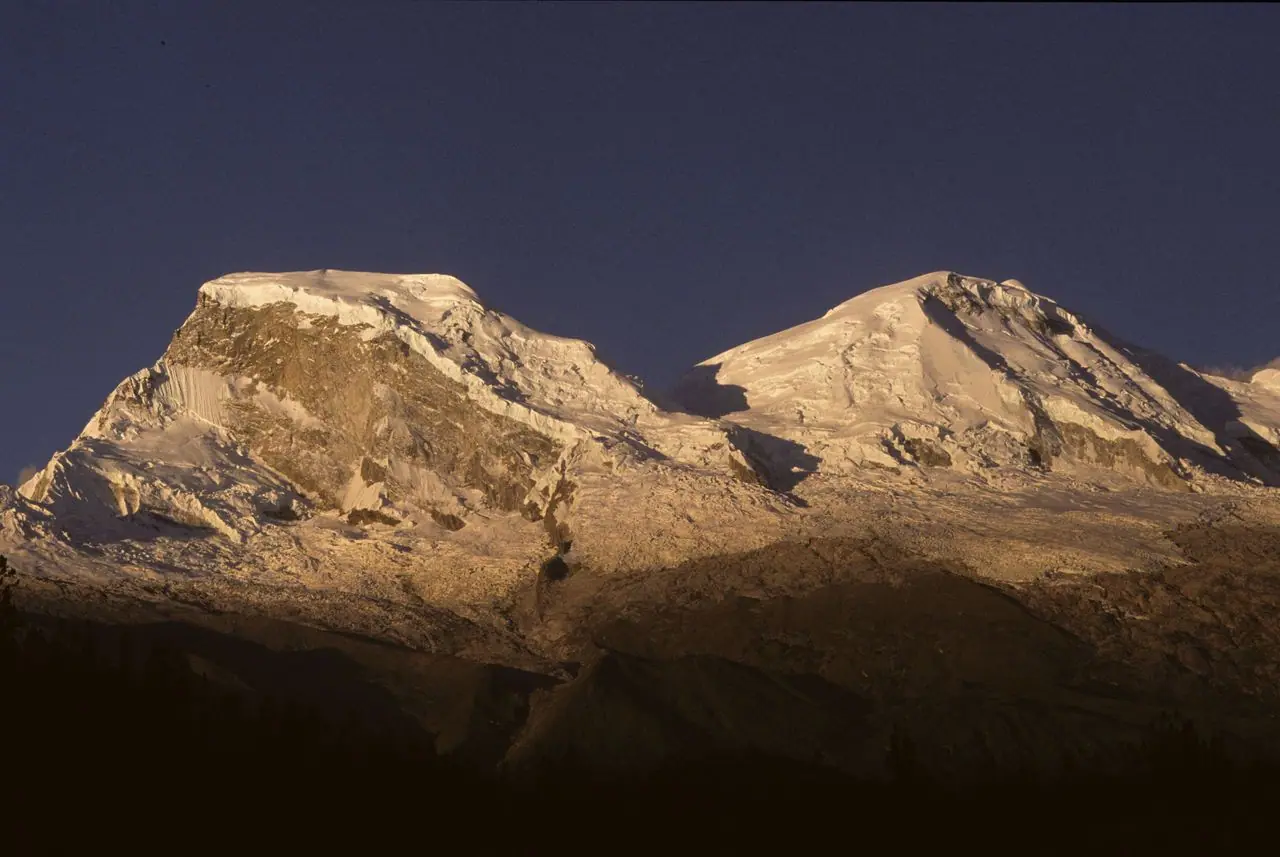
What is the best time to photograph the snow-capped peaks?
The clear mornings from June to August, although other times of year also have spectacular skies.
What is the best time for Laguna 69?
From May to September, with clear mornings; remember that you must go with an authorised agency.
Conclusion
There is no single "best time": there is the best one for what you are looking for. If you want clean skies and trekking, aim for May to September. If you prefer green landscapes and tranquillity, October to April has its charm too. Plan with room to spare, wrap up warm and check the forecast before setting out. Once you have your dates, write to us through the form or on WhatsApp at +51 943 529 322 and we will help you choose the ideal bungalow at Comtury Lodge.
Cover photo: Inti Runa Viajero · CC BY 2.0 · Wikimedia Commons
Want to live it in person?
Request a stay