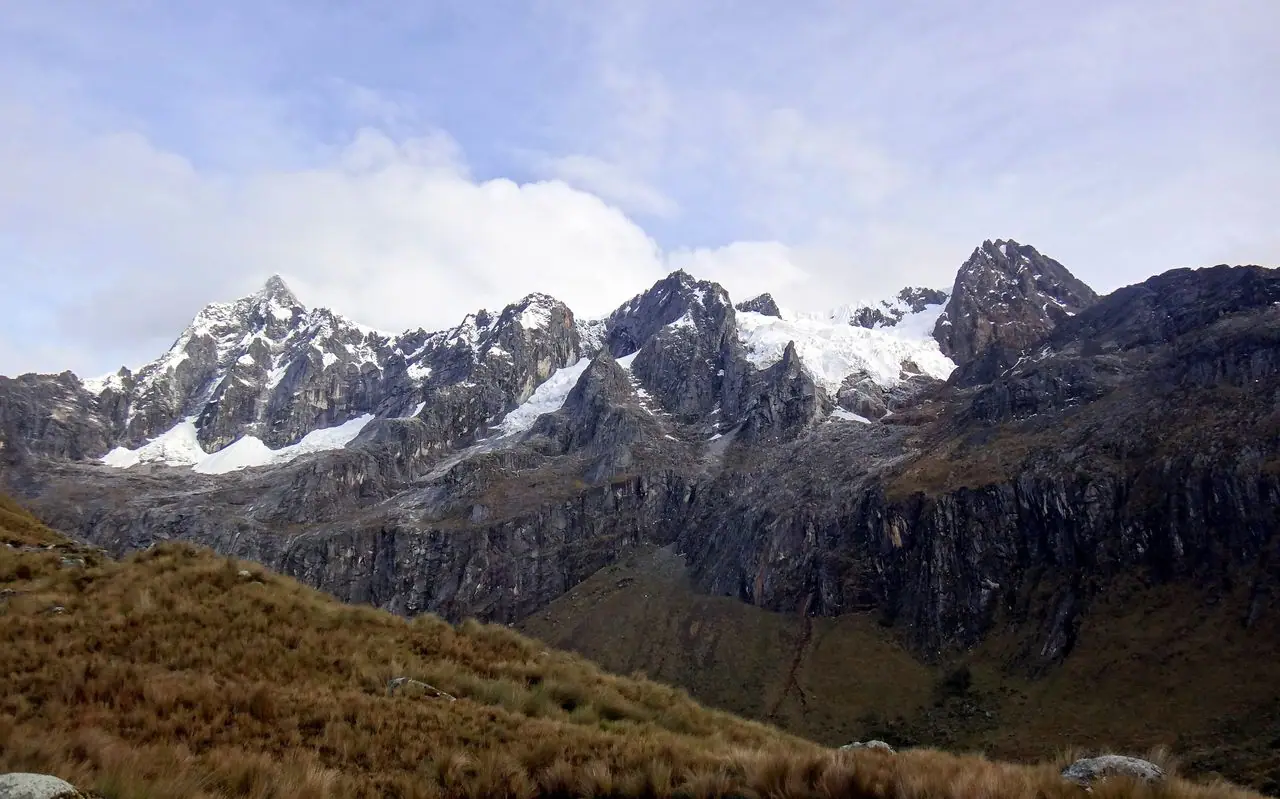
Wellness tourism is growing all over the world, and the Peruvian Andes offer a setting that is hard to match: clean air, silence, snow-capped mountains, gardens and a culture of respect for the land. In the Callejón de Huaylas, Yungay is an especially suitable place for a yoga and meditation retreat: it is quiet, it has a moderate altitude, it is surrounded by nature and it has accommodation with gardens and generous spaces for groups.
This guide tells you how to organise a wellness retreat in the Andes: why choose Yungay, what to bear in mind about altitude, how to structure a programme of one to five days, what kind of spaces are needed, what to bring, how to combine practice and nature, and how to reserve spaces at Comtury Lodge. It is meant both for those who want a day of pause and for instructors, coaches and organisers looking for a place for their group.
A note of caution. Yoga and meditation are wellness practices and do not replace medical or psychological care. If you have health conditions, consult a professional before taking part, and even more so if you are travelling to altitude.
Why a wellness retreat in Yungay
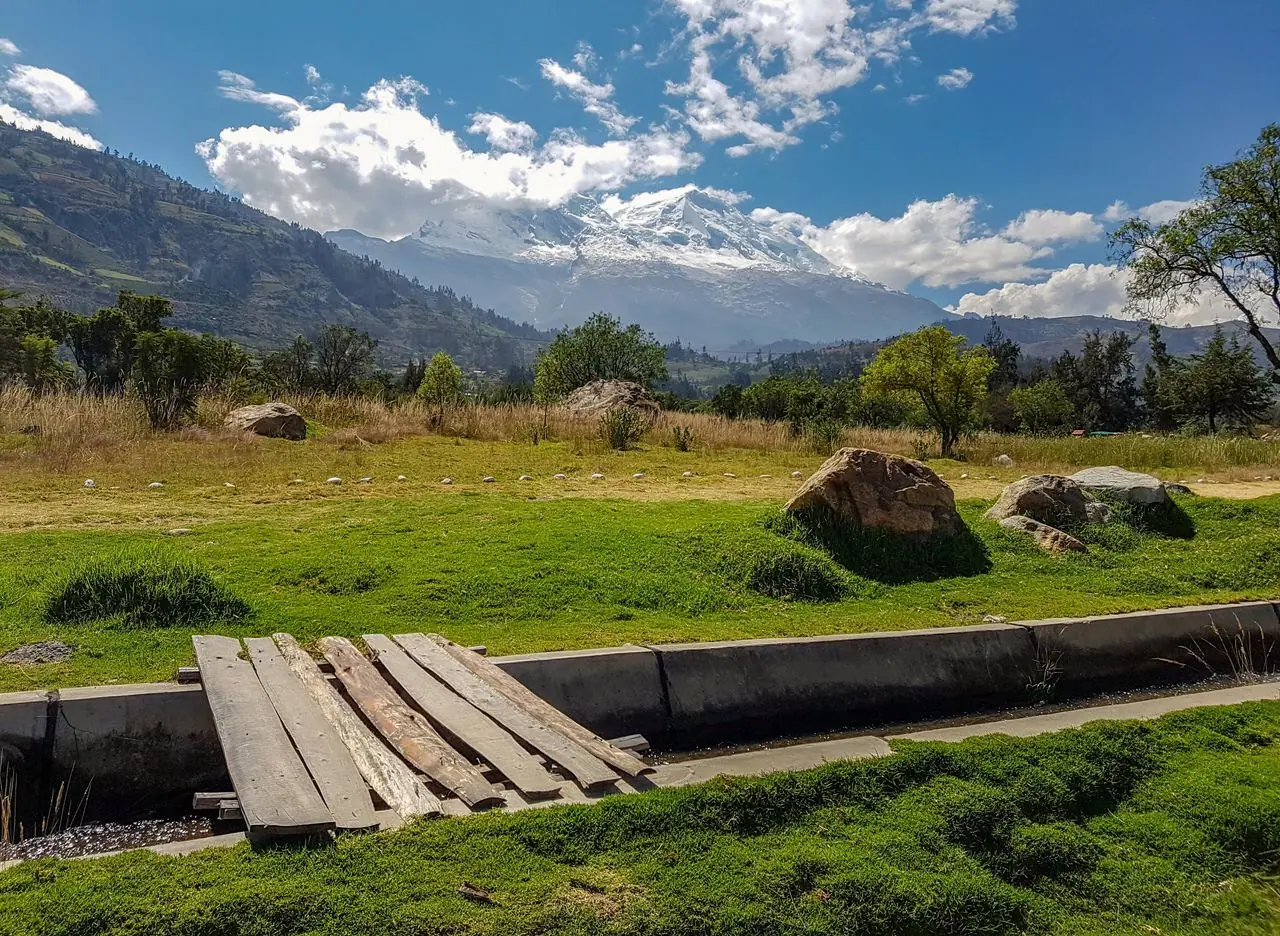
- Natural setting. Mountains, glaciers, gardens and silence encourage mindfulness.
- Moderate altitude. Yungay is at about 2,450 metres, an altitude that, with gentle acclimatisation, is comfortable for low-impact practices.
- Tranquillity. It is a small town, without the noise of heavy traffic.
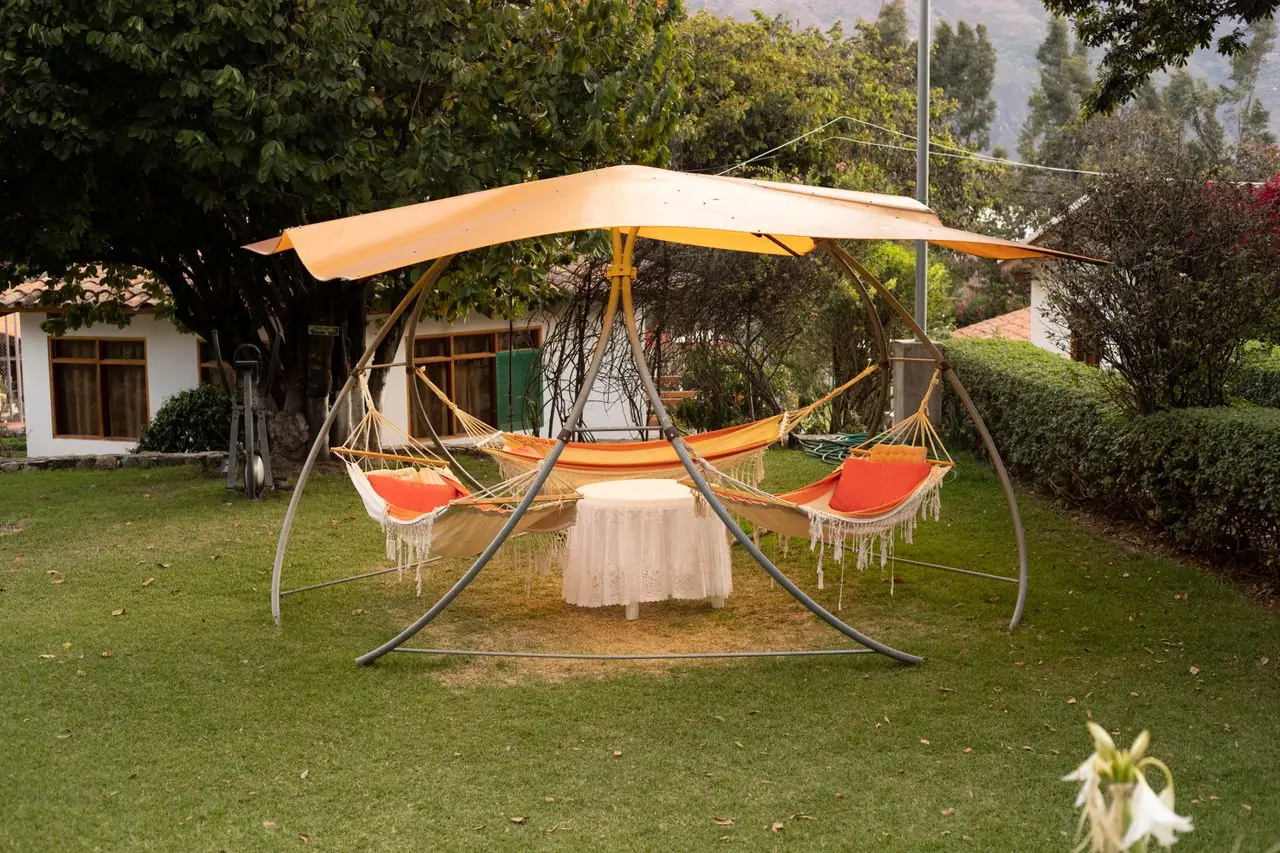
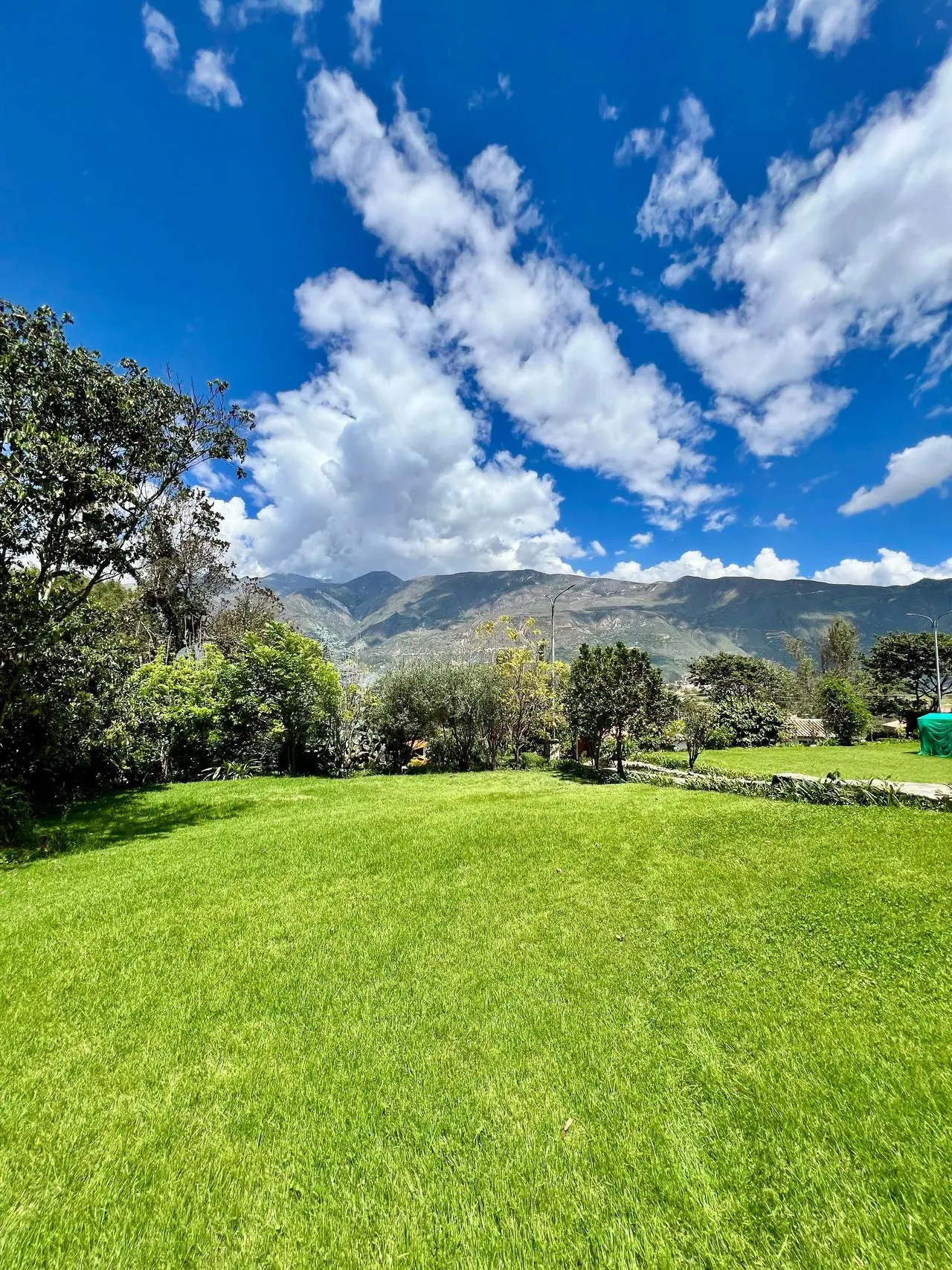
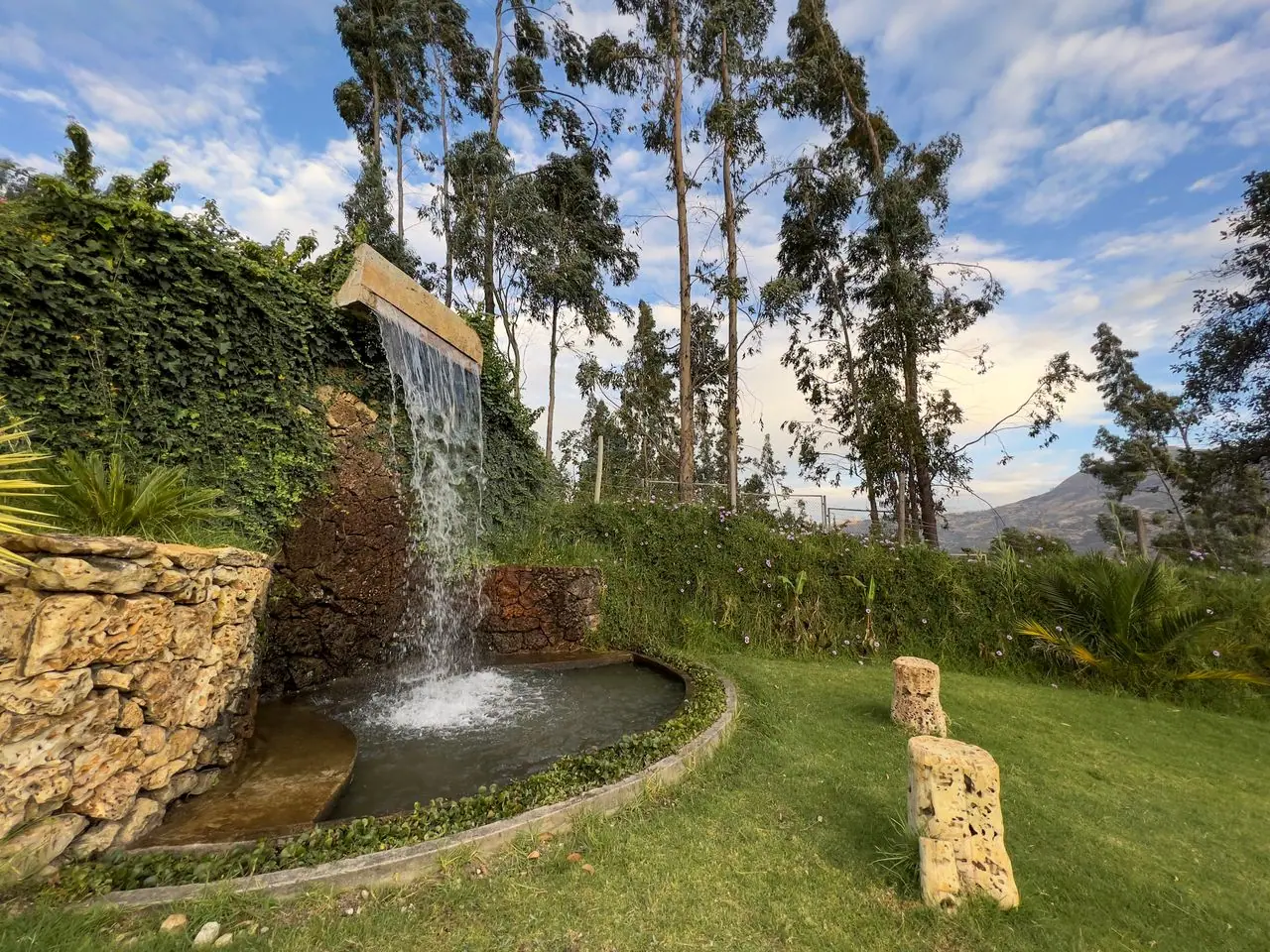
- Outdoor spaces. Spacious gardens, lawns, stone paths and hammock areas provide settings for practice.
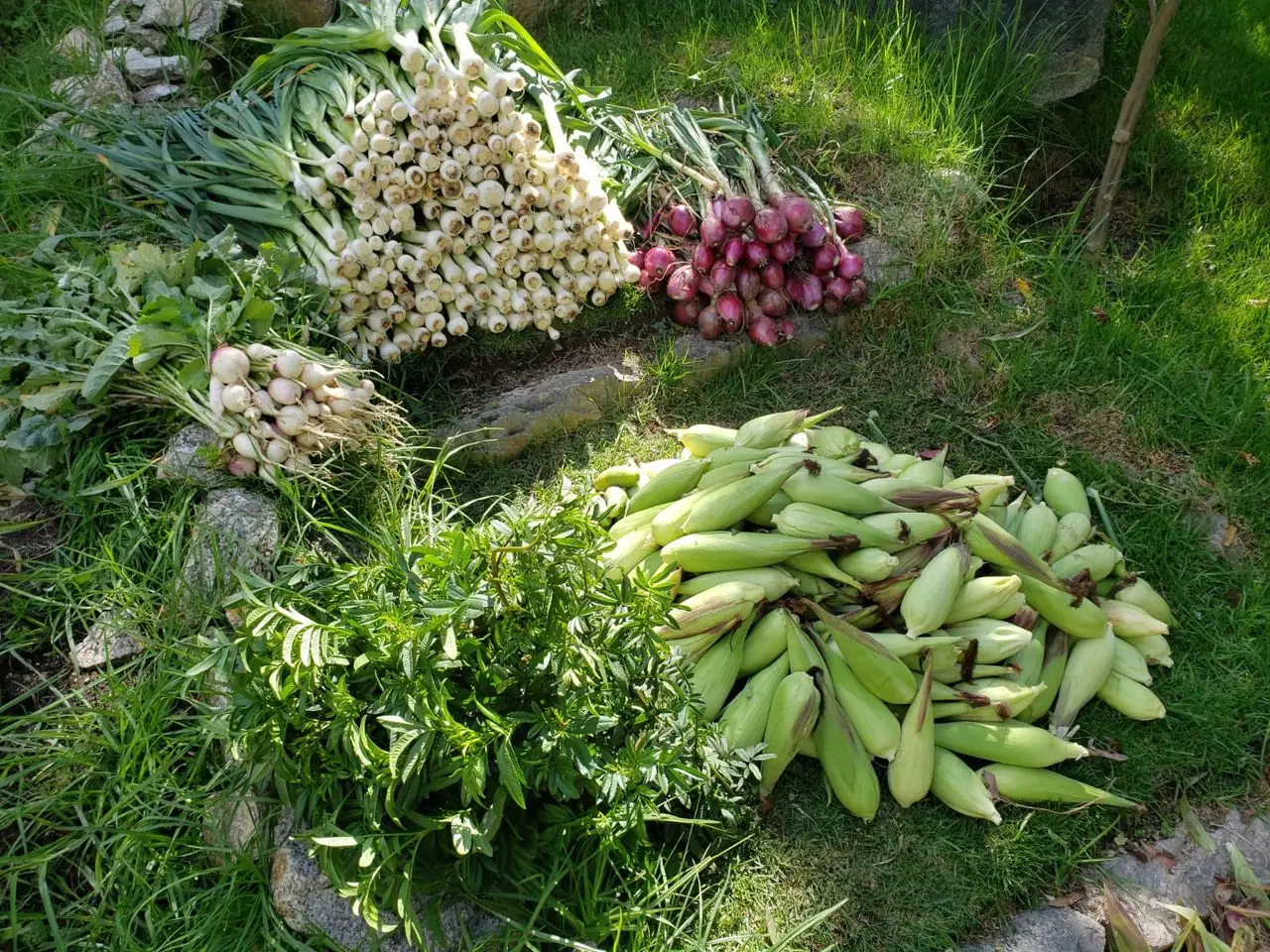
- Local food. Produce from the garden and Andean cooking, ideal for a retreat focused on wellbeing.
- A culture of memory and resilience. The history of Yungay adds a dimension of reflection, gratitude and renewal.
- Accessibility. There is a road link with Huaraz and Lima, and accommodation with capacity for groups.
What is practised on a wellness retreat
Yoga
Slow sessions outdoors, with a focus on breathing, mobility and awareness of the body. At altitude it is wise to adapt the intensity: gentle practices, rest periods and attention to the body's signals. Avoid prolonged breath-holding exercises without professional guidance.
Meditation
Sessions of guided silence, mindfulness, contemplative walking or meditation facing the mountain. The stone paths, the hammocks and the corners of the garden are natural settings.
Contact with nature
Gentle walks, observing the landscape, reading under the trees and moments of silence in the gardens.
Mindful eating
Light, nourishing meals with local produce. At Comtury Lodge we offer a cooking experience with Andean cuisine and a harvest experience in the vegetable garden, which can be built into the programme.
Rest
Real free time: hammocks, naps, reading, walks and long conversations after meals. A retreat without rest is not a retreat.
Altitude considerations for a retreat
Altitude is the factor most worth planning for:
- Arrive with a margin. If the group arrives from the coast, schedule a very gentle first day.
- Progressive intensity. Begin with gentle sessions and increase gradually.
- Hydration and light meals. Water, herbal teas and light food.
- Individual attention. Each participant responds differently; offer alternatives and allow people to rest.
- Advance information. Ask participants to say whether they have relevant health conditions.
- Warning signs. Severe headache, dizziness, persistent nausea or unusual shortness of breath call for a pause and, if they persist, medical attention.
Read altitude sickness: how to prevent it and share it with your group.
Sample programme: one-day retreat
| Time | Activity |
|---|---|
| 8:00 | Welcome with an infusion, introduction to the day |
| 8:30 | Gentle yoga in the garden |
| 10:00 | Light breakfast with produce from the garden |
| 11:00 | Contemplative walk along the stone paths |
| 12:30 | Harvest experience (depending on the season) |
| 14:00 | Lunch cooked with ingredients from the garden |
| 15:30 | Free rest in hammocks |
| 16:30 | Meditation facing the mountain range |
| 17:30 | Closing circle, hot tea |
Sample programme: three-day retreat
Day 1: arrival and landing. Reception, settling into the bungalows, a gentle walk around the garden, a light dinner and a short welcome meditation.
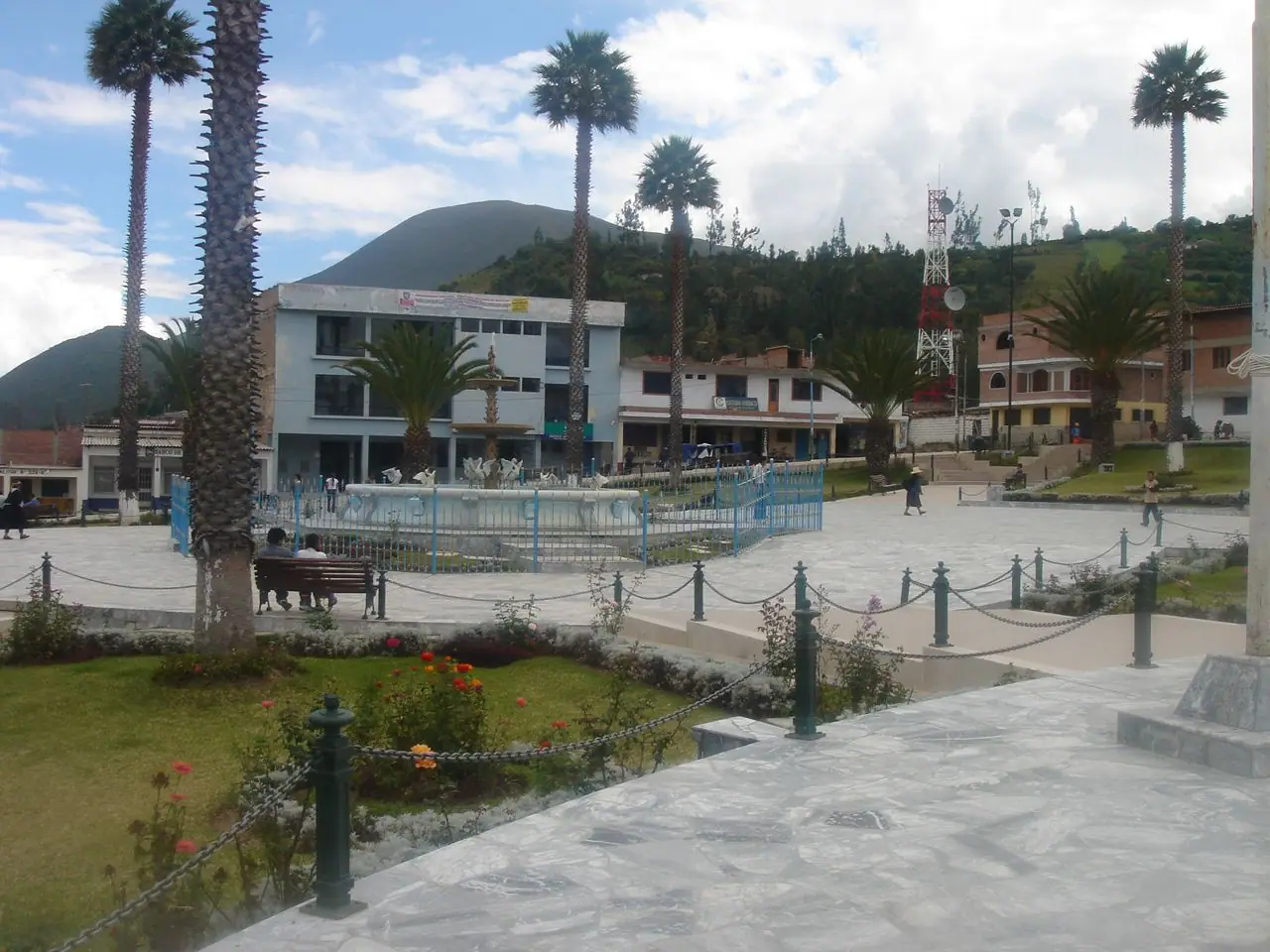
Day 2: movement and nature. Yoga in the morning, mindful breakfast, a visit to the square or to a place of memory such as the Campo Santo, lunch, free time, meditation at sunset and a bonfire.
Day 3: harvest, cooking and closing. Harvest experience, gentle yoga, shared Andean cooking, closing circle and farewell.
These programmes are examples that we adapt to the needs of the group: they are not closed packages. Write to us with your idea and we will co-create it.
What spaces a retreat needs
- Outdoor space for practice: spacious lawn, shade and a view.
- Indoor space for adverse weather: a meeting room or covered room.
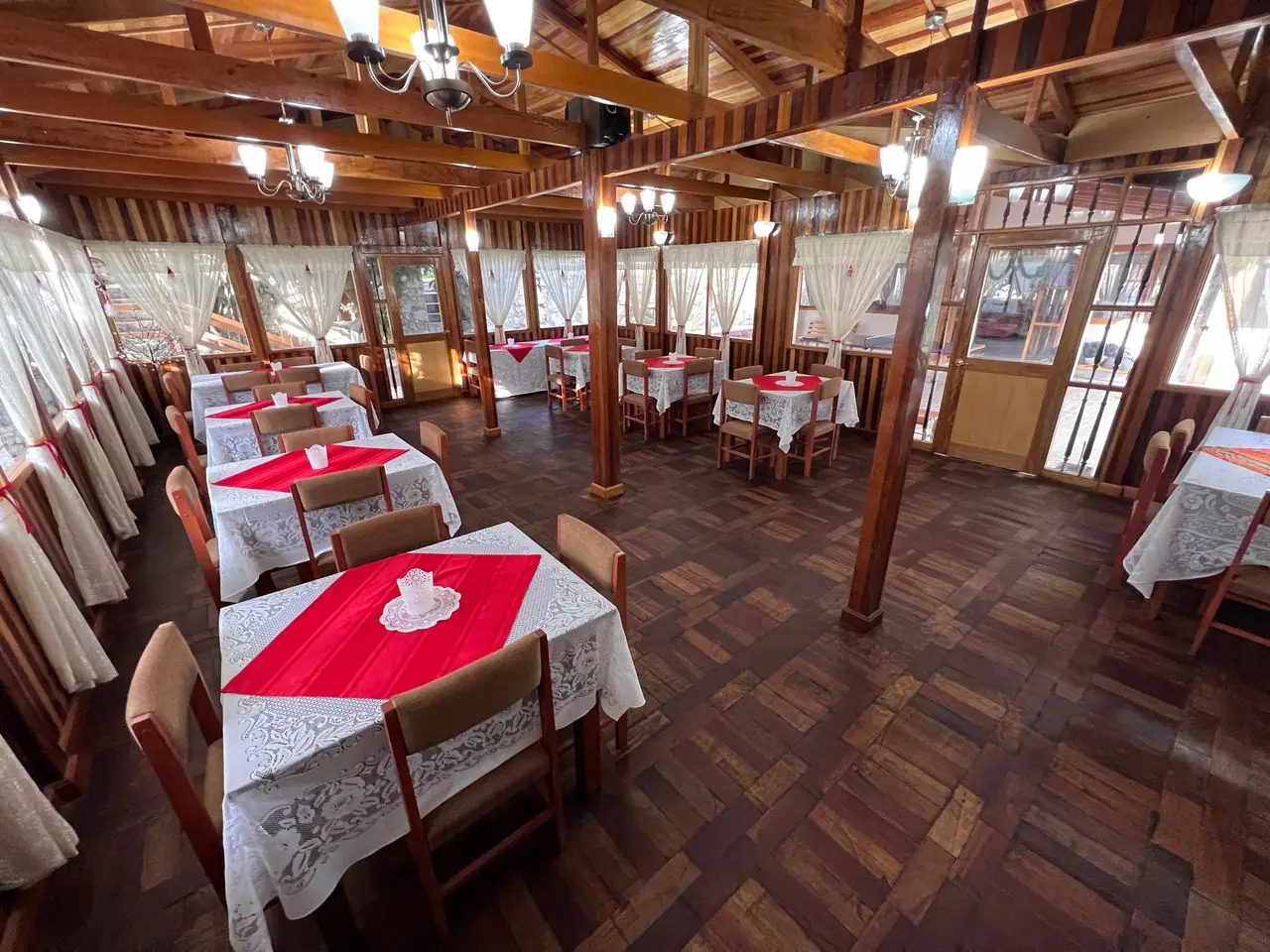
- A large dining room for group meals.
- Accommodation with enough capacity and private bathrooms.
- Rest areas: hammocks, garden and lounges.
- Silence and privacy.
At Comtury Lodge we have botanical gardens, a hammock area, a meeting room, a dining room, an equipped kitchen, a sports field and a games room. For large groups we have accommodation for 16 people or more, with eight bedrooms, thirteen beds and eight full bathrooms, and independent bungalows for 2, 4, 6, 8 and 12 people, so that you can put together the combination you need. Work it out with the finder.
Types of retreat we can support
- Yoga and meditation retreats with our own or guest instructors.
- Corporate and team retreats, with spaces for group activities and rest.
- Writing, art or creativity retreats, which need silence and nature.
- Family gatherings and celebrations with a wellness focus.
- Individual days of pause open to the public: yoga, meditation, harvest and Andean cooking by reservation.
How to book a retreat or an experience
- Tell us your idea: dates, number of people, type of activity and needs.
- We propose the combination of accommodation and suitable spaces, and send you a quotation.
- We agree on schedules, food and logistics, including the programme of activities.
- We confirm the booking and the payment methods.
- We accompany you before and during your stay.
To request information, write to us through the form or on WhatsApp at +51 943 529 322. The individual yoga, meditation, harvest and cooking experiences take place by reservation and are open to the public; you do not need to be a guest. See the experiences page.
What to bring to a wellness retreat
- Comfortable, layered clothing, with a warm layer for outdoor sessions.
- A yoga mat or blanket, if you prefer your own.
- Socks and slippers for indoors.
- A reusable bottle, sunscreen and a sun hat.
- A notebook and pen.
- Personal medication.
- An open mind and a desire to slow down.
More in what to pack for Yungay and the Cordillera Blanca.
When to organise a retreat
The dry season, from May to September, favours outdoor activities. In the rainy season, covered spaces and morning sessions allow the programme to go ahead; in addition, there are fewer people and a very green landscape. See best time to visit Yungay and Huaraz.
How to design a retreat with intention
A retreat works best when it has a clear purpose. Before planning activities, it is worth answering three questions:
- What for? To rest, reconnect with the body, strengthen a team, move forward on a creative project, celebrate a moment in life.
- For whom? The group's level of experience, ages, health conditions and expectations.
- At what pace? Fewer activities and more space usually produce better results than a crowded programme.
With those answers, the programme comes together more naturally: blocks of practice in the morning, free time at midday, gentle activities in the afternoon and a closing activity at night.
The role of the facilitator
A good facilitator or instructor adapts, listens and takes care of the group. At altitude, this includes:
- Explaining clearly the intensity of each practice and offering alternatives.
- Asking about health conditions before beginning.
- Giving the group time to acclimatise.
- Watching for signs of tiredness, dizziness or discomfort.
- Respecting each person's limits.
If you bring your own instructor, share this guide with them and coordinate the spaces, schedules and needs of the group in advance. If you would like us to recommend local options, write to us.
Small groups and large groups
Small groups (4 to 10 people) allow intimate sessions and a lot of individual attention; they fit well in bungalows for 4 to 8 people and in the outdoor spaces. Medium groups (10 to 20 people) need more coordination, a covered space for adverse weather and a large dining room. Large groups require planning accommodation, food, transfers and practice spaces further in advance. In every case, share with us the number of people and the planned dynamic.
Corporate and team retreats
More and more organisations want to leave the office to meet, plan or strengthen their teams. A natural, quiet setting encourages conversation and creativity. A corporate programme can combine:
- Working sessions in a room with natural light, with long breaks.
- Team-building activities outdoors, such as harvest or shared cooking.
- Wellness practices, such as gentle yoga or guided meditation.
- Real free time to walk, rest and chat.
- Shared dinners and a bonfire.
The meeting room, the dining room, the kitchen and the outdoor spaces of Comtury Lodge make it possible to put together this kind of day. For groups of 16 or more, our complete accommodation offers eight bedrooms, thirteen beds and eight bathrooms, and it is complemented by independent bungalows.
Budget and quotation: what to ask
When asking for a quotation for a retreat, it helps to be clear about:
- Number of people and nights.
- Type of accommodation and bed arrangement.
- Food: which meals are included and whether there are special needs.
- Use of spaces: room, dining room, gardens, equipment.
- Activities: who leads them and what materials they require.
- Transfers and logistics.
- Payment, cancellation and weather rescheduling conditions.
As a reference for accommodation, our whole bungalows start from US$ 344 for five nights for two guests, and the price depends on group size (see stay); activities and additional services are quoted according to the programme.
Living together and caring for the environment
A retreat is also an agreement on living together. Some simple guidelines:
- Respect the times for silence and rest.
- Look after the gardens and the plants.
- Keep a moderate volume during outdoor activities.
- Reduce the use of plastics and bring your reusable bottle.
- Respect the other people in the place, the local community and nature.
Safety and health
- Informed consent. Each participant decides how much to do and can stop at any time.
- Advance health information, shared with whoever is facilitating.
- Travel insurance, especially for travellers arriving from abroad.
- Emergency plan: contacts, access to a health centre and to transport.
- Attention to altitude, with rest and hydration.
Frequently asked questions about wellness retreats in Yungay
Do I need previous experience in yoga or meditation?
No. The sessions can be adapted to different levels, and it is always advisable to tell whoever is leading about your conditions.
What about the altitude?
Yungay is at about 2,450 metres. With gentle acclimatisation and low-intensity practices, most people adapt well, but each body responds differently.
Can I bring my own instructor?
Yes, for group retreats. Let us coordinate spaces, schedules and needs in advance.
Are the experiences only for guests?
No. Yoga, meditation, harvest and the cooking experience are open to the public by reservation.
What capacity do you have?
We have bungalows for 2 to 12 people and accommodation for 16 or more, as well as common spaces. Write to us with your number of participants.
Is there vegetarian food?
We can adapt to different dietary needs with advance notice.
How much does a retreat cost?
It depends on the number of people, the days, the accommodation and the activities. Ask for a quotation with your dates.
Are pets accepted?
Yes, pets are welcome at Comtury Lodge. Let us know when you book.
Conclusion
A wellness retreat in the Andes does not need great luxuries: it needs nature, time, silence, good company and a place that lets you truly rest. Yungay, with its gentle altitude, its history of resilience and its gardens, is an ideal setting. If you would like to organise a day of pause, a weekend of yoga or a retreat for your group, write to us through the form or on WhatsApp at +51 943 529 322 and we will design it with you.
Want to live it in person?
Request a stay