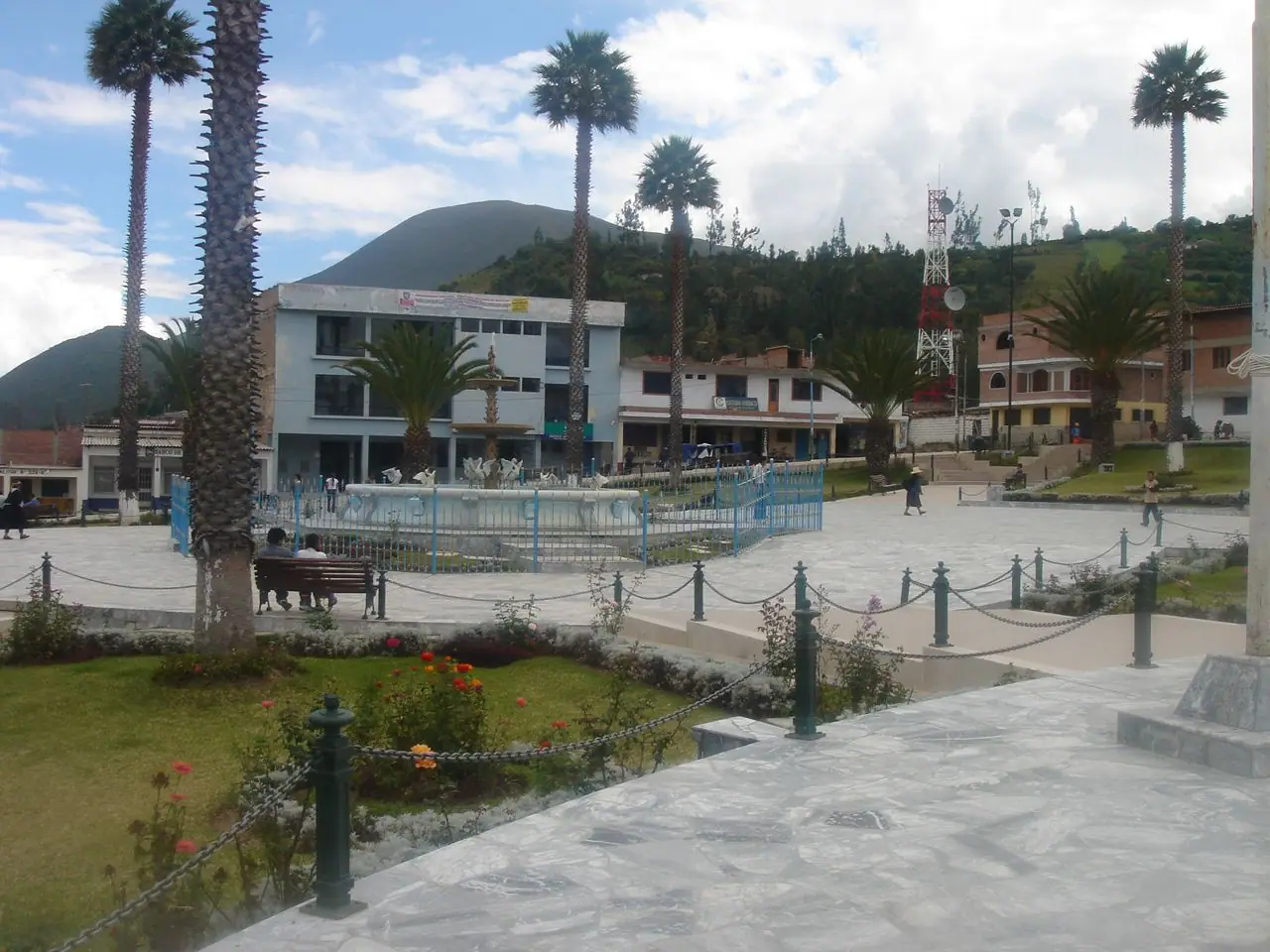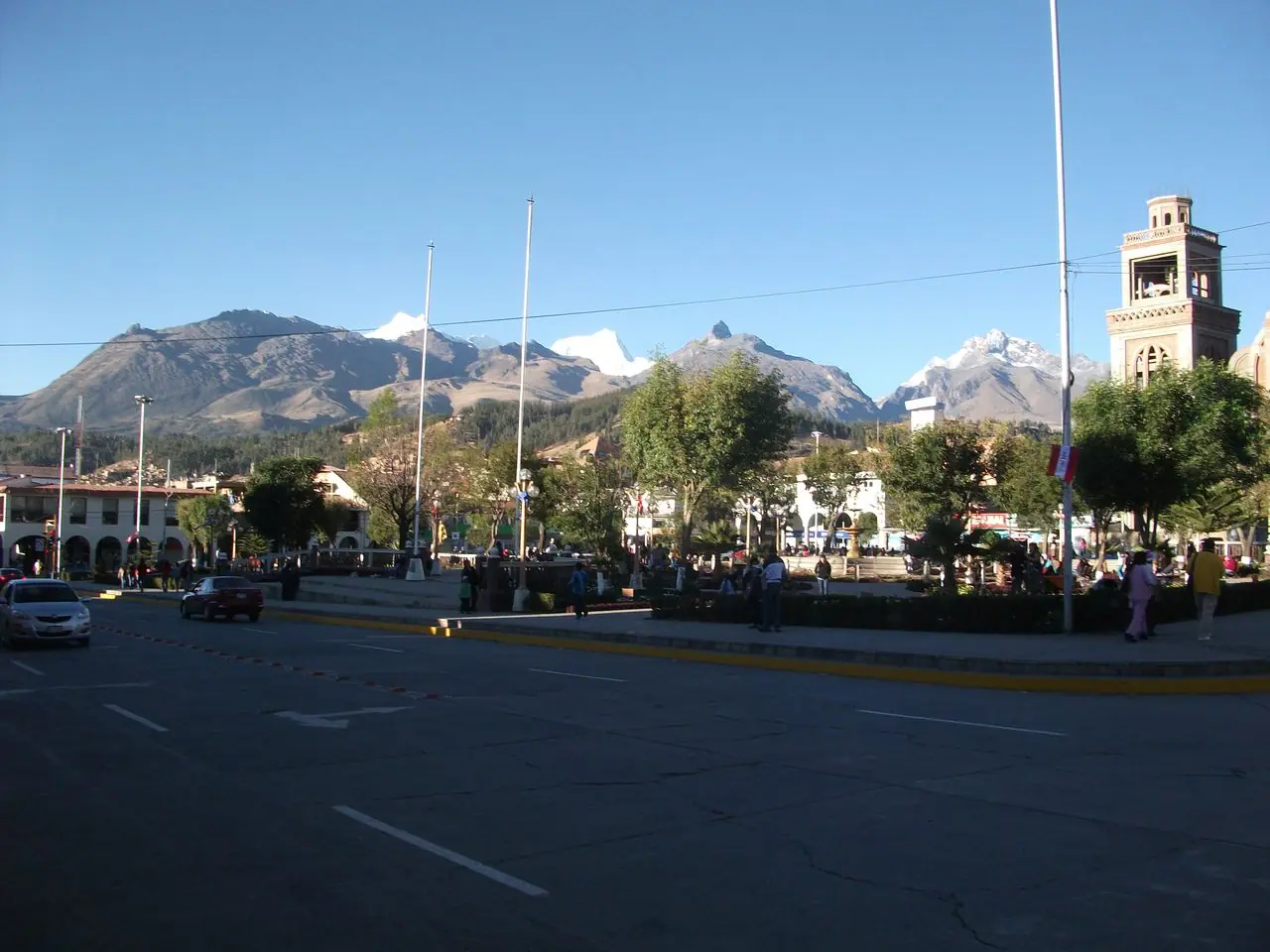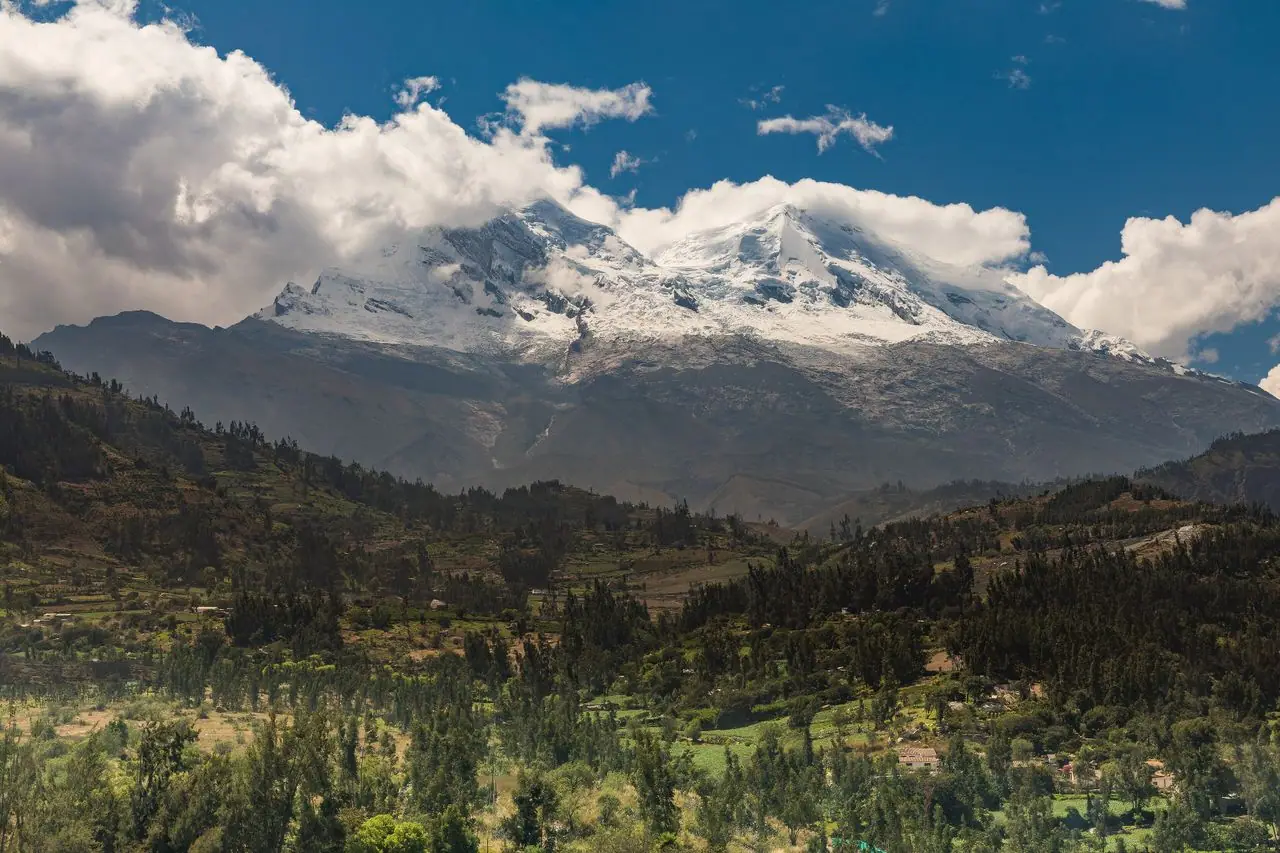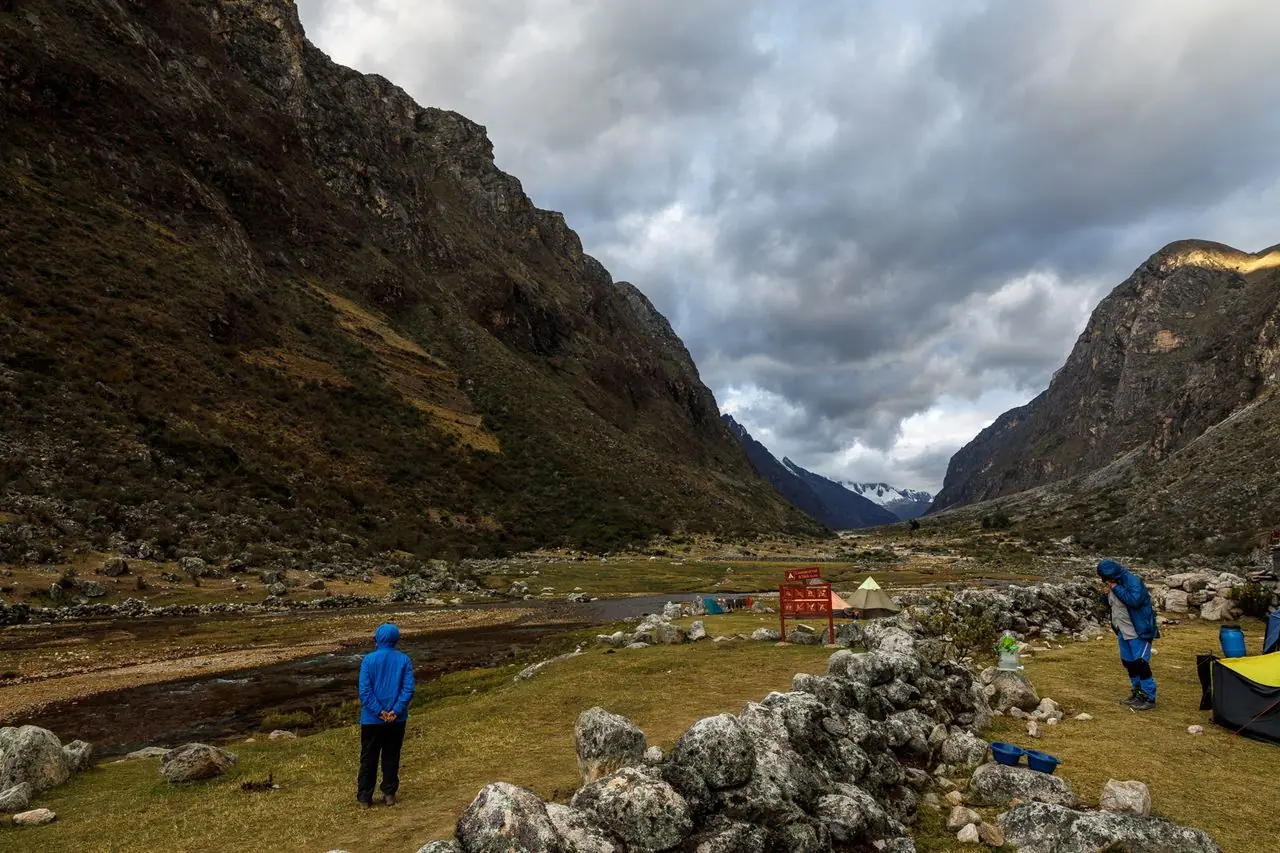
Packing for a trip to Yungay and the Cordillera Blanca seems simple until you realise that in a single day you can go from intense sun to freezing wind, from a clear morning to an afternoon of hail, and from the town square to a lake at almost four thousand metres. The key is not to carry a lot, but to carry well: layered clothing, suitable footwear, sun protection, hydration and a few essentials that make the difference.
In this guide you will find a packing list organised by category, adapted to the season of the year, the activities you plan and the type of trip (as a couple, family, group or with a pet). At the end there are quick lists to print or copy onto your phone.
The golden rule. In the highlands you dress "in layers": a breathable base layer, an insulating middle layer and an outer layer that protects against wind and rain. That way you can take clothes off or put them on as the weather changes. And remember: the sun at this altitude burns even under cloud.
Before you start: what to keep in mind
Three factors define your luggage:
- Altitude. Yungay is at about 2,450 m; the Llanganuco lakes are above 3,800 m; Laguna 69 is around 4,600 m. The higher you go, the colder and more changeable the weather.
- Season. From May to September (dry), sunny days and very cold nights; from October to April (rains), cloudy afternoons and showers. See best time to visit Yungay and Huaraz.
- Your activities. You do not need the same luggage for strolling around town and resting in a garden as for a seven-hour hike.
Clothing: the layering system
Base layer (next to the skin)
Short- and long-sleeved shirts in a material that breathes and dries quickly (synthetic or merino wool). Avoid cotton on high-altitude hikes: it holds moisture and chills. Bring two to three pieces.
Middle layer (warmth)
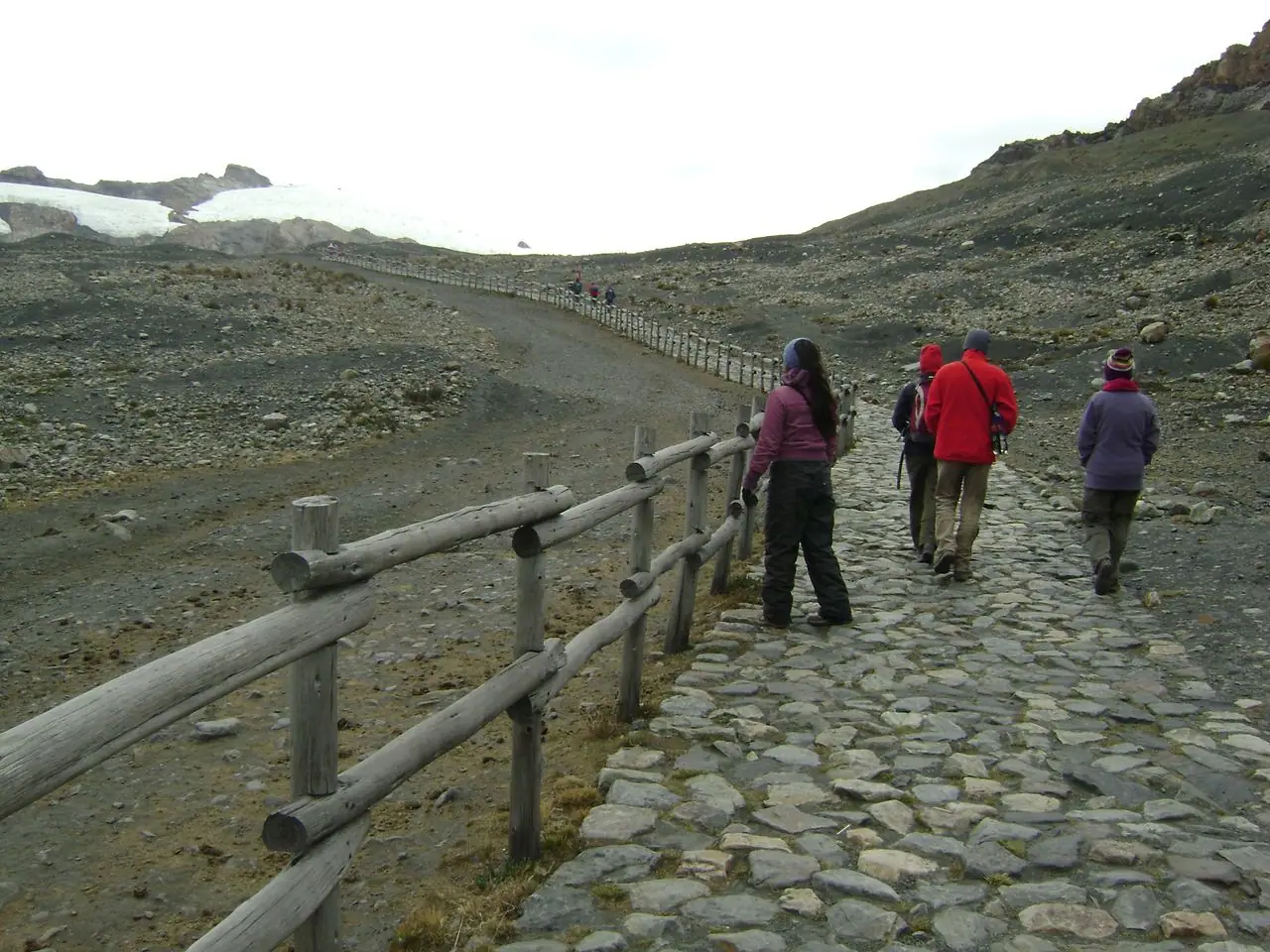
A fleece, a wool jumper or a light down jacket. It is the layer that keeps you warm when temperatures drop. In the dry season, nights are cold, so a good warm layer is indispensable.
Outer layer (protection)
A windproof, waterproof jacket, preferably with a hood. It protects against wind, rain and hail. In the rainy season it is essential; in the dry season, useful at altitude.
Trousers
- A comfortable trekking or sports trouser, quick-drying.
- A pair of trousers or jeans for town and the evenings.
- Optional: thermal leggings for very cold mornings or long excursions.
- Avoid jeans on hikes: they get wet, weigh a lot and chill.
Warm accessories
- Wool hat and gloves for the cold and the wind.
- Buff or scarf for neck and face.
- Wool or technical socks, two to four pairs, and an extra pair to sleep in.
- Sun hat or cap with a visor.
Rest clothing
Warm pyjamas or comfortable clothes to sleep in, slippers or house shoes for indoors, and a jumper for the evening. The bungalows have warm bedding, but good pyjamas always help.
Footwear
- Trekking trainers or boots with a good sole and grip, already worn in (never break in new footwear on a long hike).
- Comfortable trainers for town and the square.
- Sandals or light shoes for the accommodation.
- If it is going to rain or be muddy, consider waterproof boots or shoe covers.
Sun protection
Radiation at this altitude is very high, even under cloud. Bring:
- Sunscreen with a high factor (50 or more) and reapply it every few hours.
- Lip balm with a filter.
- Sunglasses with UV protection, ideally wraparound.
- Cap or hat with a visor or brim.
Documents, money and technology
| Item | Detail |
|---|---|
| ID document or passport | For accommodation, controls and tickets |
| Park ticket or agency confirmation | For Llanganuco or Laguna 69 |
| Cash in soles | In Yungay and small towns there are not always cash machines or card payments |
| Debit or credit card | For purchases in cities and bookings |
| Travel insurance | With cover for high-altitude activities, if you come from abroad |
| Phone with charger and portable battery | Cold drains the battery quickly |
| Plug adapter | Peru uses 220 V; check whether your devices are compatible |
| Torch or headlamp | Useful for walking in the garden at night and in case of power cuts |
| Offline maps | Signal at altitude is limited |
First-aid kit and personal care
Consult your doctor about what is right for you, and bring:
- Personal medication and prescriptions.
- Your usual painkiller, as medically advised.
- Oral rehydration salts.
- Plasters and bandages.
- Wipes or antibacterial gel.
- Moisturiser and wet wipes (the air is dry).
- Sunscreen and lip balm.
- Insect repellent, for low areas and valleys.
For more on altitude, read altitude sickness: how to prevent it.
Day pack (for Llanganuco or a one-day hike)
A 20 to 30 litre pack is usually enough. Include:
- Water: at least 1 to 2 litres, and a reusable bottle.
- Food: a light lunch, nuts, fruit, chocolate or bars.
- Extra layers: fleece, windproof, hat and gloves.
- Sun protection and sunglasses.
- Personal first-aid kit and toilet paper.
- Rubbish bag: what you bring, you take back.
- ID and ticket.
- Cash in soles.
- Trekking poles (optional), useful on descents.
- Camera or phone with a portable charger.
What to bring for Llanganuco
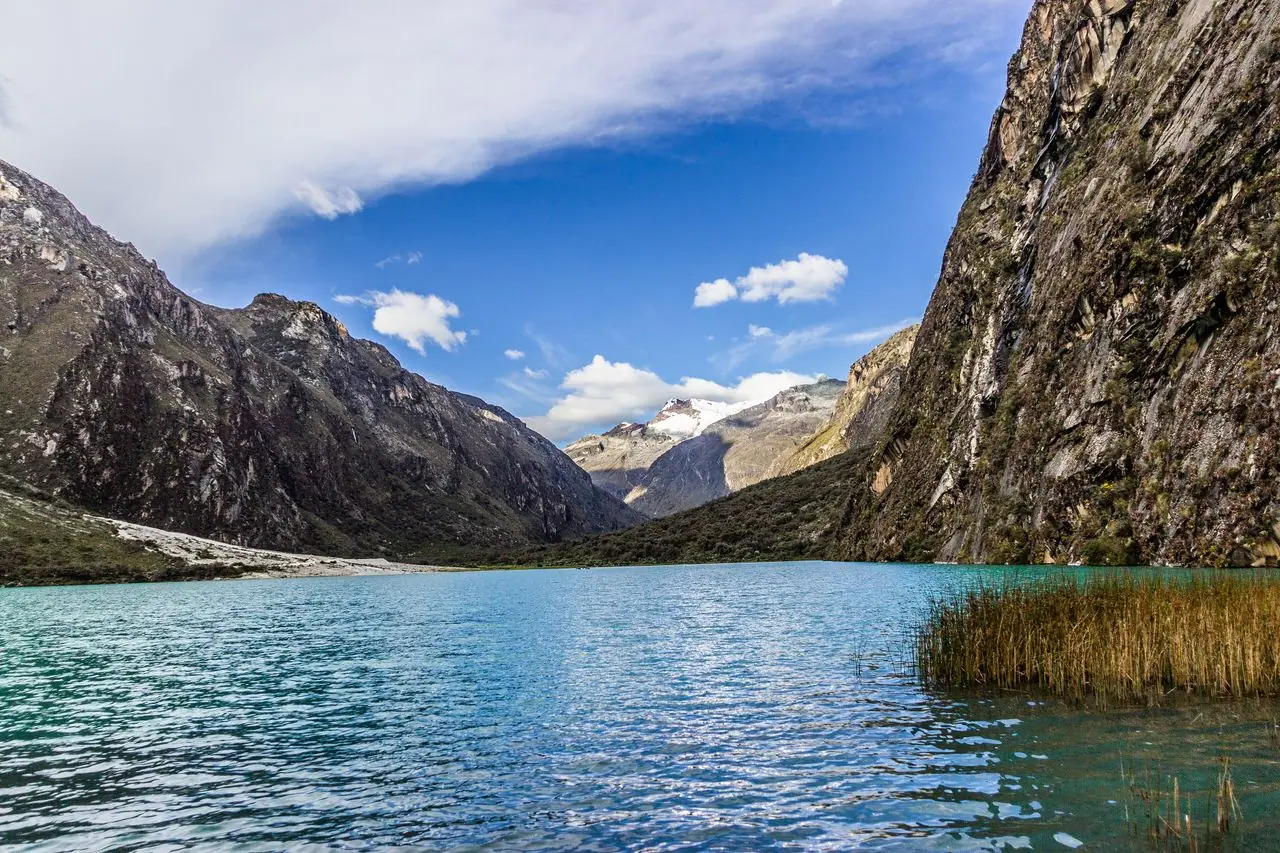
For a half-day excursion to the Llanganuco lakes: layered clothing, hat and gloves, sunscreen, sunglasses, comfortable footwear, water, snacks, ticket and ID. It is cold and windy, even on sunny days.
What to bring for Laguna 69
For the Laguna 69 hike, add to the previous list: tried-and-tested trekking footwear, a reliable waterproof jacket, at least two litres of water, lunch and energy snacks, poles, a change of dry clothes in the vehicle and your confirmation from the authorised agency. Remember that since 2026 it can only be visited with an agency authorised by SERNANP.
What to bring if you are doing a multi-day trek
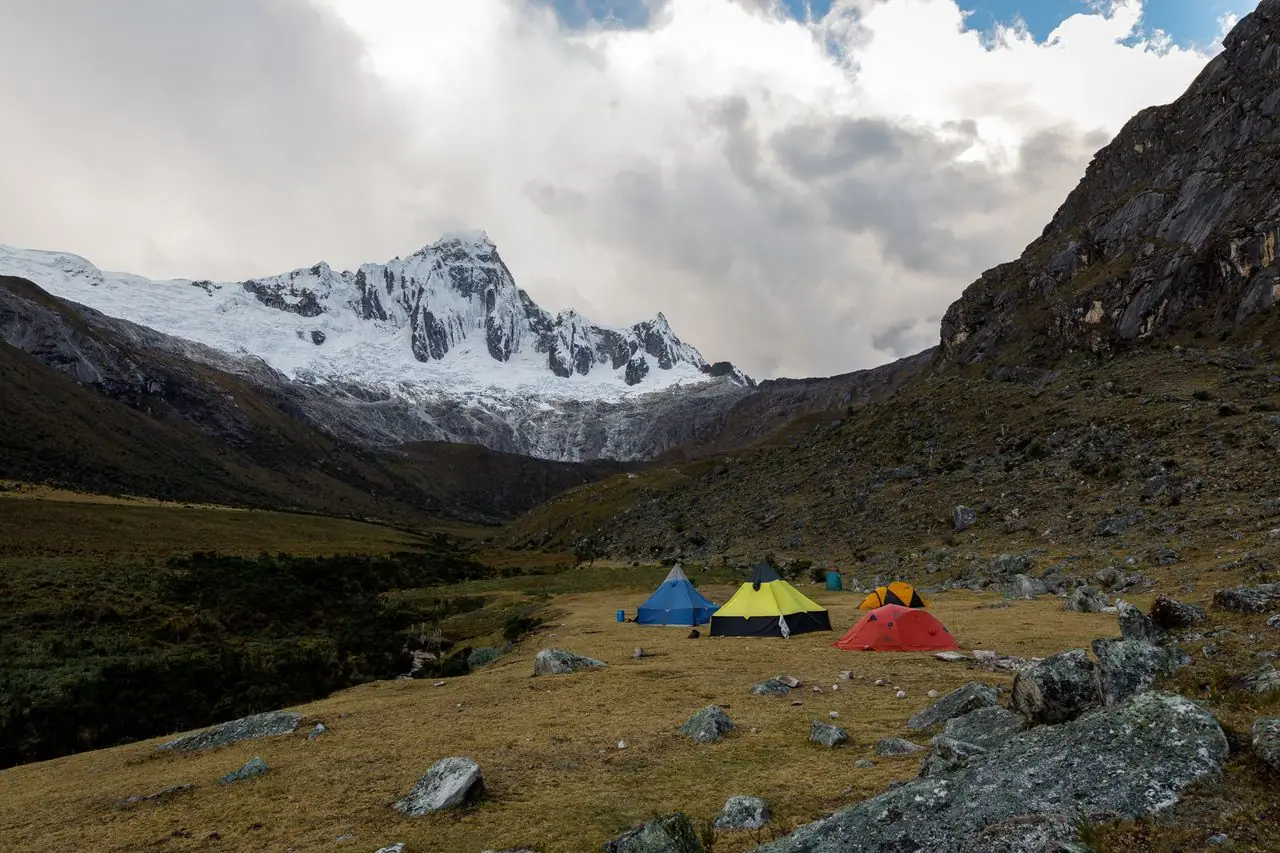
For the Santa Cruz trek or other multi-day routes you need additional equipment: tent and sleeping bag (if the agency does not provide them), sleeping mat, stove, poles, thermal clothing and spare clothes. Many travellers hire an agency with muleteer and camp service. Plan ahead and check the equipment with your operator.
What to bring according to the season
Dry season (May to September)
Plenty of sunscreen, hat and sunglasses, warm clothing for the cold nights, gloves and a wool hat, and layered clothing. Mornings are cold, midday warm and night freezing.
Rainy season (October to April)
Waterproof jacket, footwear with good grip, quick-drying clothes, a rucksack cover, waterproof bags for your phone and documents, and an extra pair of socks. Afternoons cloud over; mornings are usually clearer.
What to bring if you travel as a family
- Extra warm clothing for children, hats, gloves and spare socks.
- Children's sunscreen and a sun hat.
- Snacks and water for the whole day.
- Usual medicines and a thermometer.
- Light games for journeys and rest periods: cards, books, a ball.
- Spare clothes within easy reach.
More in travelling to Yungay with family and pets.
What to bring if you travel with a pet
- Collar, lead and, if applicable, a muzzle.
- Vaccination card and health documents.
- Food and water for the journey, and its bowl.
- Bags to pick up waste.
- Its usual bed or blanket.
- Toys and treats.
- A light coat if it has short hair.
Let the accommodation know in advance. At Comtury Lodge pets are welcome.
What to bring for your stay at a lodge
- Slippers and comfortable clothes for resting.
- A book or board game.
- Cooking items you may want to use (seasonings, coffee, tea), since the kitchen is for free use in our bungalows.
- Ingredients of your choice if you plan to cook.
- A flask to take hot water on your excursions.
What NOT to bring
- Too much cotton clothing for high-altitude hikes.
- New, untested footwear.
- Unnecessary valuables.
- Single-use plastics.
- Drones without authorisation, in protected areas.
- Loud music: respect the tranquillity of other travellers.
Quick lists
Minimum list for a weekend getaway
Layered clothing (2 shirts, 1 fleece, 1 windproof, 1 trekking trouser, 1 town trouser), hat, gloves, buff, comfortable footwear, sunscreen and lip balm, sunglasses, water bottle, charger, ID, cash, personal first-aid kit.
Extended list for a one-day trek
Everything above plus: trekking footwear, waterproof jacket, 20 to 30 litre pack, poles, snacks, lunch, extra water, spare dry clothes, rubbish bag.
Where to get what you forgot
In Yungay there are shops and markets with basic products, and in Huaraz, an hour away, there are shops specialised in mountain equipment and equipment hire. If you forgot something, ask at your accommodation about local options. For plans in the area, see things to do in Yungay.
How to pack the bag: order, weight and tricks
- Choose a single suitcase or large rucksack, plus a small day pack. For a trip of three to five days, between 8 and 12 kilos is usually enough.
- Use packing organisers or waterproof bags to separate clean clothes, used clothes and damp equipment.
- Put heavy items close to your back and what you will use most at the top or in accessible pockets.
- Leave a free space for purchases or gifts: blankets, bread, sweets, handicrafts.
- Carry warm clothing in your hand luggage if you travel on an overnight bus, because the temperature drops in the early hours.
- Keep documents and cash separate, in an inside pocket or a discreet belt bag.
- Avoid carrying too many "just in case" items. In Yungay and Huaraz you can buy or hire what is missing.
Example suitcase for four days
| Category | Suggested quantity |
|---|---|
| Base shirts (thermal or quick-drying) | 3 |
| Fleece or warm jumper | 1 or 2 |
| Windproof, waterproof jacket | 1 |
| Trekking or sports trousers | 1 or 2 |
| Comfortable trousers for town | 1 |
| Underwear | 4 to 5 |
| Wool or technical socks | 3 to 4 pairs |
| Warm pyjamas | 1 |
| Hat, gloves and buff | 1 of each |
| Sun hat or cap | 1 |
| Trekking footwear and comfortable trainers | 1 pair of each |
| Wash bag and first-aid kit | 1 |
| Sunscreen, lip balm and sunglasses | 1 of each |
| Charger, portable battery and adapter | 1 set |
What to bring according to your type of trip
If you travel as a couple
An additional warm layer for the evenings, comfortable clothes for resting and something a little smarter for a special dinner. A small torch and a book are never too much.
If you travel with friends or in a group
Coordinate what to bring between you: a shared first-aid kit, board games, a small speaker for moderate use, ingredients to cook together and rubbish bags. The equipped kitchen of a whole bungalow makes cooking as a group very easy.
If you are a photographer
Camera body and lenses protected in a padded bag, spare batteries (the cold drains them), memory cards, a light tripod, cloths to clean lenses and waterproof bags to avoid damp. If you plan to photograph at dawn, bring thin gloves that allow you to operate the camera.
If you are organising a retreat or group gathering
Your own yoga mats or blankets if you prefer, working materials, a laptop or projector if you need one, comfortable clothes, warm clothing for outdoor sessions and reusable bottles. Ask in advance about the spaces available. For ideas, read wellness retreats in the Andes.
Common packing mistakes
- Bringing only summer clothes because it is hot on the coast. In the highlands the night is very cold.
- Wearing new footwear before a long hike.
- Forgetting sunscreen, thinking that if there is cloud it is not needed.
- Carrying too little cash, relying on cash machines or cards.
- Not charging batteries and downloading offline maps before setting out.
- Overpacking, which complicates luggage on the bus and on hikes.
- Not setting aside a change of dry clothes for the return from an excursion.
Frequently asked questions about what to pack
What clothes should I bring to Huaraz and Yungay?
Layered clothing: thermal base, fleece, windproof, hat and gloves, as well as comfortable clothes for town and a good warm layer for the night.
Is it very cold in Yungay?
Days are pleasant in the dry season; nights and the higher areas are cold. Always bring a warm layer.
Do I need trekking boots?
For Llanganuco, comfortable trainers with good grip are enough; for Laguna 69 or treks, worn-in trekking footwear is best.
Can I pay by card?
In some places yes, but in small towns it is better to carry cash in soles.
Are there chargers and power sockets?
Yes, the current is 220 V. Bring an adapter if your devices use another type of plug, and a portable battery.
What do I bring for the sun?
High-factor sunscreen, sunglasses with a UV filter, a cap or hat and lip balm.
Can I hire equipment?
In Huaraz there are shops that hire mountain equipment. Ask about availability and condition before you commit.
What do I bring if I go with children?
Extra warm clothing, children's sunscreen, snacks, usual medicines and light entertainment.
Conclusion
Good luggage for Yungay and the Cordillera Blanca is light, versatile and designed for changeable weather. With layers, sun protection, comfortable footwear, water and a little foresight, you will be ready to enjoy everything from a stroll around the square to a hike to the lakes. If you would like help with planning, write to us through the form or on WhatsApp at +51 943 529 322; we will recommend what to bring according to your dates and activities.
Cover photo: Diego Baravelli · CC BY-SA 4.0 · Wikimedia Commons
Want to live it in person?
Request a stay